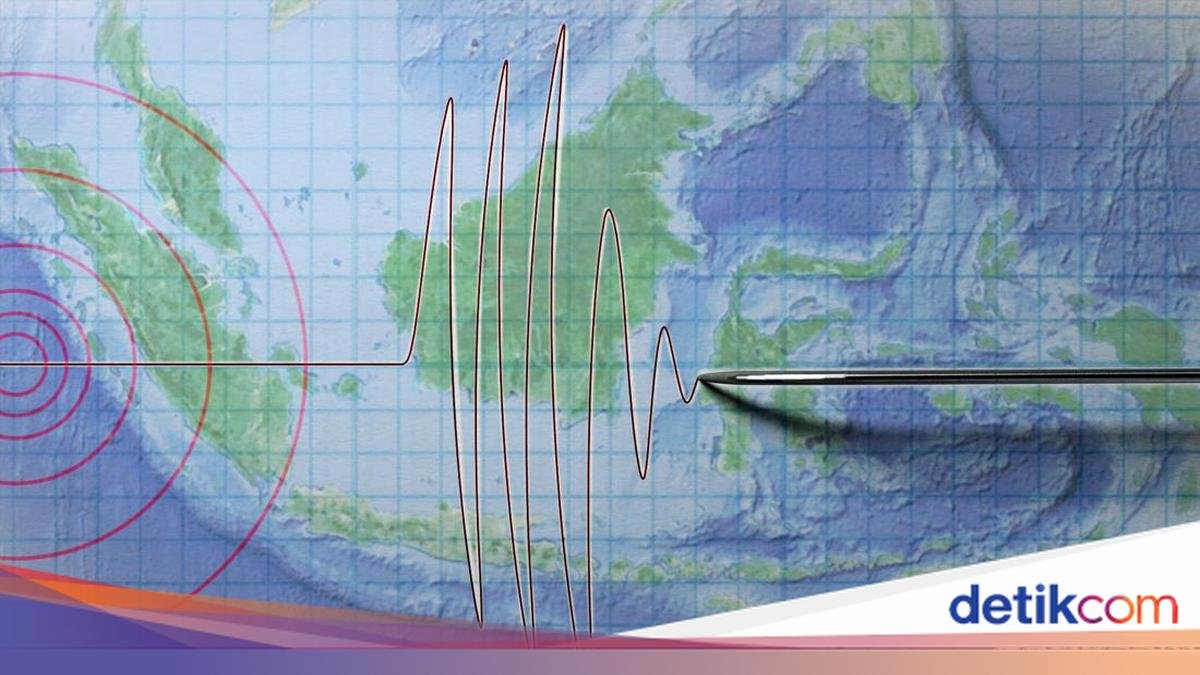
The Meteorology, Climatology, and Geophysics Agency (BMKG) has issued information about the potential for megathrust earthquakes in Indonesia. But what exactly is a megathrust earthquake? According to BMKG on their official Instagram @infobmkg, Indonesia has megathrust zones, where the meeting of tectonic plates stores a large amount of energy. When this energy is released, it can lead to major earthquakes and tsunamis.
In the Map of Earthquake Sources and Hazards in Indonesia for 2024, there are 14 megathrust zones listed:
Aceh-Andaman Megathrust Zone with a potential maximum magnitude of 9.2.
Nias-Simeulue Megathrust Zone with a potential maximum magnitude of 8.7.
Batu Megathrust Zone with a potential maximum magnitude of 7.8.
Mentawai-Siberut Megathrust Zone with a potential maximum magnitude of 8.9.
Mentawai-Pagai Megathrust Zone with a potential maximum magnitude of 8.9.
Enggano Megathrust Zone with a potential maximum magnitude of 8.9.
Java Megathrust Zone with a potential maximum magnitude of 9.1.
West Java Megathrust Zone with a potential maximum magnitude of 8.9.
East Java Megathrust Zone with a potential maximum magnitude of 8.9.
Sumba Megathrust Zone with a potential maximum magnitude of 8.9.
North Sulawesi Megathrust Zone with a potential maximum magnitude of 8.5.
Cotobato Trench Megathrust Zone with a potential maximum magnitude of 8.3.
South Philippines Megathrust Zone with a potential maximum magnitude of 8.2.
Central Philippines Megathrust Zone with a potential maximum magnitude of 8.1.
Despite the dangers they pose, scientists are still unable to predict when regular or megathrust earthquakes will occur. Furthermore, the phrase “megathrust is just a matter of time” that often circulates is not a prediction. These megathrust zones hold significant potential due to the accumulated energy over time, but it doesn’t mean that earthquakes will happen soon.
The scientific term is used as a precaution based on historical and geological data, not to incite panic. The BMKG, as mandated by Law Number 31 of 2009, is responsible for monitoring, managing data, providing information services, including earthquake and tsunami prevention.
As a preparation measure, the BMKG informs about the following safety measures for the future:
– Recognize the potential for earthquakes in our surroundings
– Understand the steps to take before, during, and after an earthquake
– Learn evacuation routes and signs, meeting points, and emergency operation documents
– Build earthquake-resistant homes.





Deixe um comentário