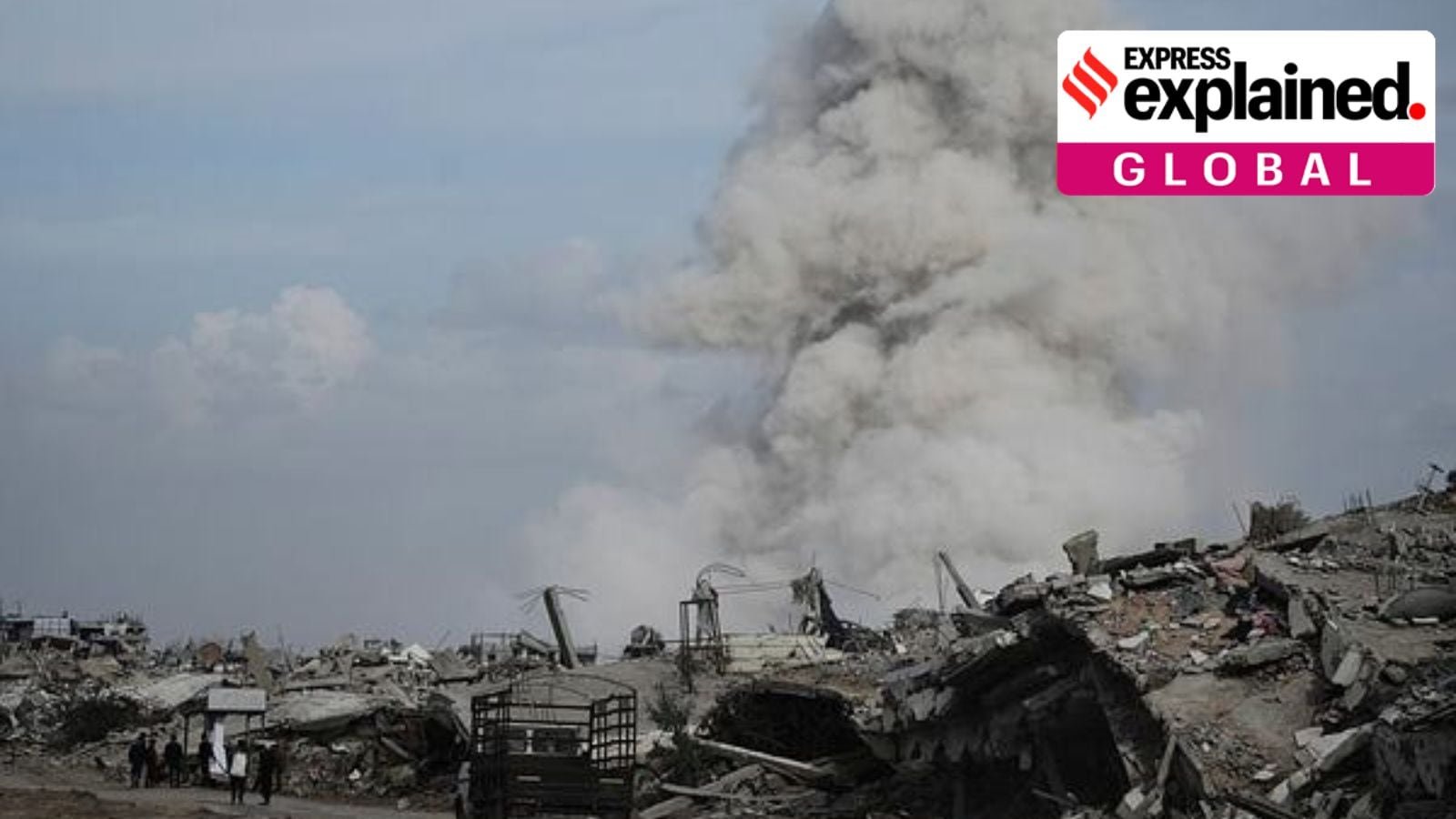
In respecting the ‘Yellow Line,’ Israel will maintain control over a significant portion of Gaza, encompassing a large part of the agricultural land and the border crossing with Egypt. This adherence could complicate the second phase of President Trump’s ceasefire plan, which is already facing challenges.
According to an English transcript of his remarks obtained from a military spokesperson, Zamir stated, “We have operational control over extensive parts of the Gaza Strip and we will remain on those defence lines.” Despite only controlling a small portion of the region at present…[insert more details here].
The ‘Yellow Line’ serves as a symbolic and physical boundary, delineating the extent of Israel’s authority in Gaza. By upholding this line, Israel is prioritizing its strategic interests and security concerns within the region. This stance could have significant implications for the future dynamics of the Israeli-Palestinian conflict.
The implications of the ‘Yellow Line’ extend beyond territorial control. They also impact the livelihoods of Palestinians residing in Gaza, particularly those dependent on agricultural activities in the area under Israeli control. The delineation could further exacerbate existing tensions and challenges faced by the local population.
As Israel maintains its control along the ‘Yellow Line,’ the international community observes closely, assessing the implications for regional stability and the prospects for a lasting peace agreement. The enforcement of this boundary underscores Israel’s commitment to safeguarding its interests and security, potentially shaping the future geopolitical landscape of the region.
Amidst the discussions surrounding the ‘Yellow Line,’ questions arise regarding the broader implications for the Gaza Strip and its inhabitants. The delineation of this border carries multifaceted consequences, influencing not only territorial control but also political, economic, and humanitarian aspects of the conflict.
In navigating the complexities of the ‘Yellow Line,’ stakeholders must consider the diverse perspectives and interests at play, seeking a balanced and sustainable approach to addressing the challenges posed by Israel’s control over Gaza. The future development…[more insights].
The debates surrounding the ‘Yellow Line’ underscore the complexities of the Israeli-Palestinian conflict and the intricate dynamics shaping the region’s future. As the parties involved navigate this territorial and political divide, the significance of upholding agreements and mitigating tensions remains paramount for achieving lasting peace in the region.





Deixe um comentário