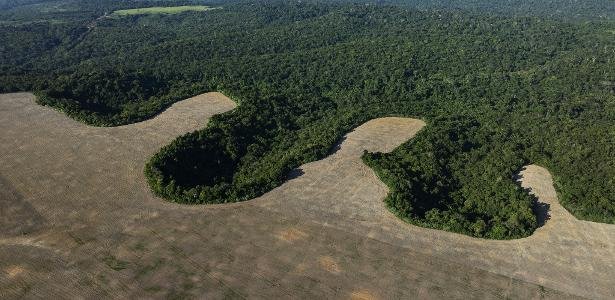
Between 1985 and 2024, Brazil lost an average of 2.9 million hectares of natural areas per year, totaling a reduction of 111.7 million hectares. This area, representing 13% of the national territory, is greater than Bolivia, a country with approximately 109.9 million hectares. These findings are from the new MapBiomas collection, commemorating 10 years of project activities.
Changes in cover types were significant during this period. Forest formation was the most affected, losing 62.8 million hectares (15%), slightly larger than Ukraine’s territory. Following that, savanna formation (Cerrado) lost 37.4 million hectares (25%), an area bigger than Germany.
The expansion of agriculture played a major role in this scenario. Pasture and agriculture were the land uses with the most growth. Pasture area increased by 68% (62.7 million hectares), and agriculture by 236% (44 million hectares). The percentage of municipalities where agriculture is the main land use rose from 47% in 1985 to 59% in 2024.





Deixe um comentário