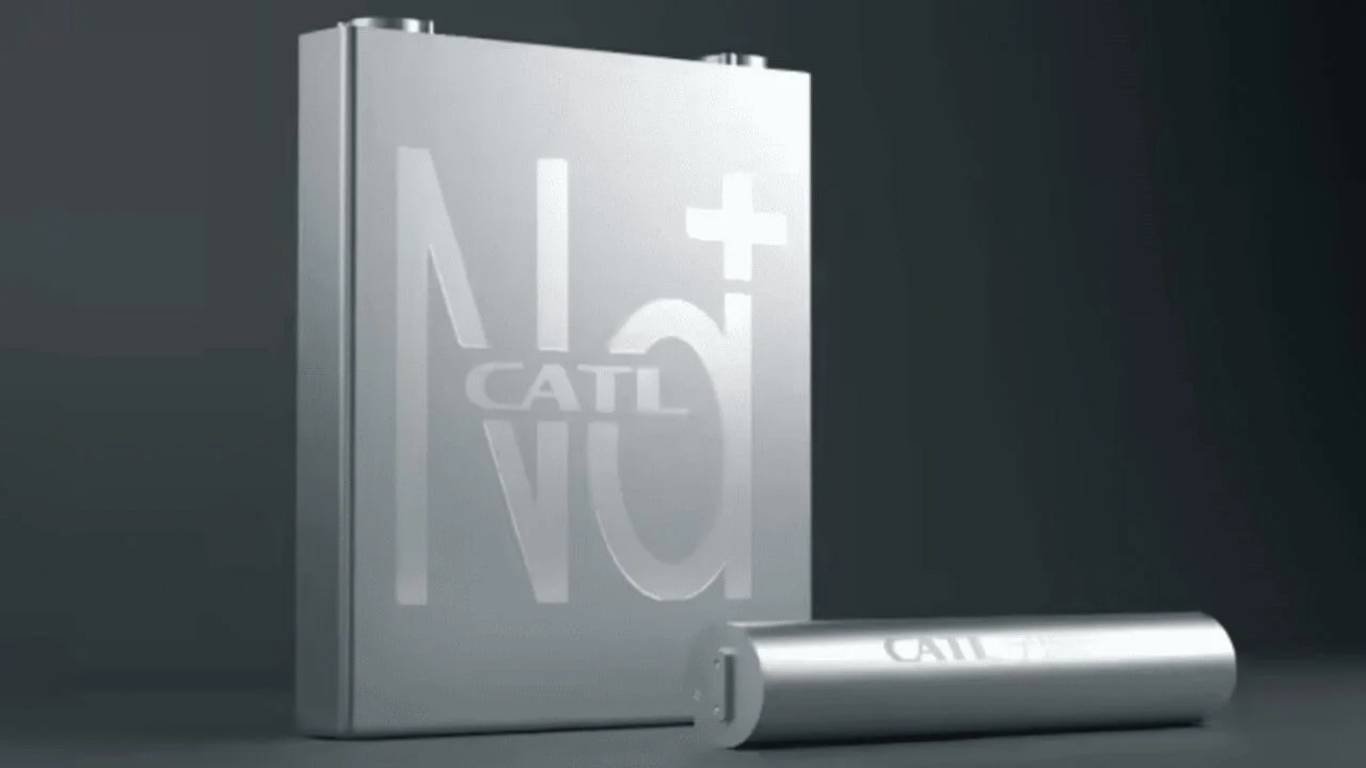
CATL, a Chinese battery manufacturer, has unveiled a breakthrough in electric vehicle technology with the introduction of the ‘eternal’ Naxtra sodium battery. This innovative battery promises to outlast not only the vehicle itself but also several generations of owners, marking a significant advancement in the field of sustainable energy. With its exceptional durability, this sodium battery is poised to revolutionize the electric vehicle industry and pave the way for a more sustainable future.
The Naxtra battery’s impressive longevity is a result of its unique sodium-based composition, which offers superior performance and lifespan compared to traditional lithium-ion batteries. This groundbreaking technology has the potential to address one of the key challenges facing electric vehicles: the limited lifespan of current battery systems. By developing a battery that can outlast multiple generations of owners, CATL is setting a new standard for sustainability in the automotive industry.
In addition to its exceptional durability, the Naxtra sodium battery also boasts fast-charging capabilities and enhanced safety features. These attributes make it an attractive option for electric vehicle manufacturers looking to improve the performance and reliability of their products. With the increasing demand for electric vehicles and the growing emphasis on environmental sustainability, the development of advanced battery technologies like the Naxtra battery is crucial for driving the transition to a greener transportation ecosystem.
The introduction of the Naxtra sodium battery represents a significant milestone in the development of sustainable energy solutions for electric vehicles. As the automotive industry continues to embrace electric mobility, innovations like this ‘eternal’ battery will play a crucial role in accelerating the transition towards a more eco-friendly transportation system. With CATL’s pioneering technology, the future of electric vehicles looks brighter than ever, offering a glimpse of a more sustainable and energy-efficient future for generations to come.





Deixe um comentário