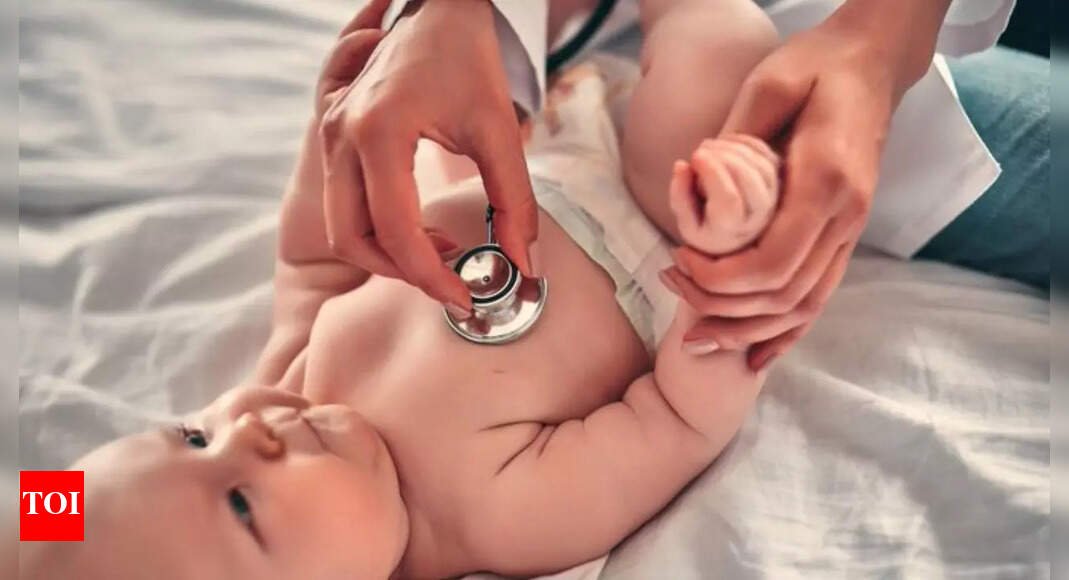
Congenital syphilis is a serious infection that occurs when a mother with syphilis passes the disease to her baby during pregnancy or childbirth. This condition can have severe consequences for the infant’s health, including premature birth, low birth weight, deformities, and even death. It is crucial to diagnose and treat syphilis in pregnant women to prevent congenital syphilis.
Babies born with congenital syphilis may experience a wide range of symptoms, including rash, fever, swollen liver and spleen, jaundice, anemia, and developmental delays. These infants are at risk of serious complications such as meningitis, bone abnormalities, and vision or hearing loss. Prompt diagnosis and treatment are essential to prevent long-term health problems and fatalities among affected newborns.
Preventing congenital syphilis involves early detection and treatment of syphilis in pregnant women. Regular prenatal care, including testing for sexually transmitted infections, can help identify and manage syphilis cases before transmission to the baby. Health officials recommend routine testing for syphilis during pregnancy to protect both the mother and the unborn child from the risks associated with the disease.
Health authorities are issuing warnings about the growing prevalence of congenital syphilis, emphasizing the importance of education, testing, and treatment. The recent cases of infant deaths in New York State underscore the urgency of addressing this public health issue and implementing strategies to prevent the spread of syphilis to newborns. It is crucial for healthcare providers, expectant mothers, and the general public to be informed about the risks and symptoms of congenital syphilis.
In conclusion, the rise in congenital syphilis cases in New York and across the country highlights the need for increased awareness and prevention efforts. By promoting early detection, proactive treatment, and comprehensive prenatal care, we can reduce the incidence of congenital syphilis and protect the health and well-being of newborns. It is imperative to prioritize the health of pregnant women and their babies to prevent the devastating consequences of this dangerous disease.





Deixe um comentário