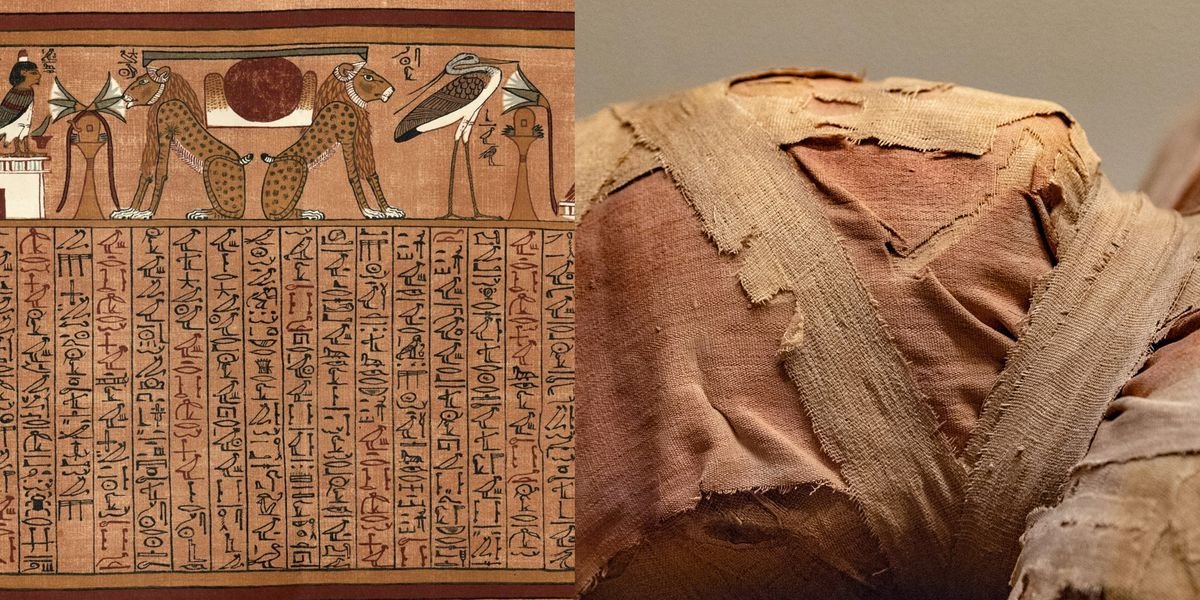
Archaeologists in Egypt have recently unearthed a significant archaeological site—a lost cemetery that dates back to 3,500 years ago. The site is a treasure trove of ancient artifacts, including mummies, statues, and a remarkably rare 43-foot-long papyrus scroll. This ancient scroll is believed to contain a part of the famous ‘Book of the Dead’, a collection of spells and illustrations intended to guide the deceased through the afterlife.
The discovery of the cemetery sheds new light on the funerary practices and beliefs of the ancient Egyptians. The presence of mummies suggests that the site was used for burial rituals, while the statues and other artifacts provide insight into the religious and cultural practices of the time. The 43-foot-long papyrus scroll, in particular, is a priceless find that offers a glimpse into the spiritual world of the ancient Egyptians.
Experts are currently studying the artifacts and scroll in detail to unravel more mysteries of the past. The intricate hieroglyphics and illustrations on the papyrus scroll will be analyzed to better understand the contents of the ‘Book of the Dead’ fragment. This discovery is not only of historical significance but also has the potential to expand our knowledge of ancient Egyptian religious beliefs and rituals.
The ‘Book of the Dead’ was a vital part of ancient Egyptian funerary practices, serving as a guide to the afterlife for the deceased. The presence of a fragment of this sacred text in the newly discovered cemetery is a rare and remarkable find. It offers a unique opportunity for scholars to deepen their understanding of ancient Egyptian religious traditions and the journey of the soul after death.
The announcement of this discovery has generated excitement and interest among archaeologists and Egyptologists worldwide. The find represents a breakthrough in our understanding of ancient Egyptian culture and spirituality. The meticulous excavation and study of the cemetery and its artifacts will continue to provide valuable insights into the lives and beliefs of the people of the past.





Deixe um comentário