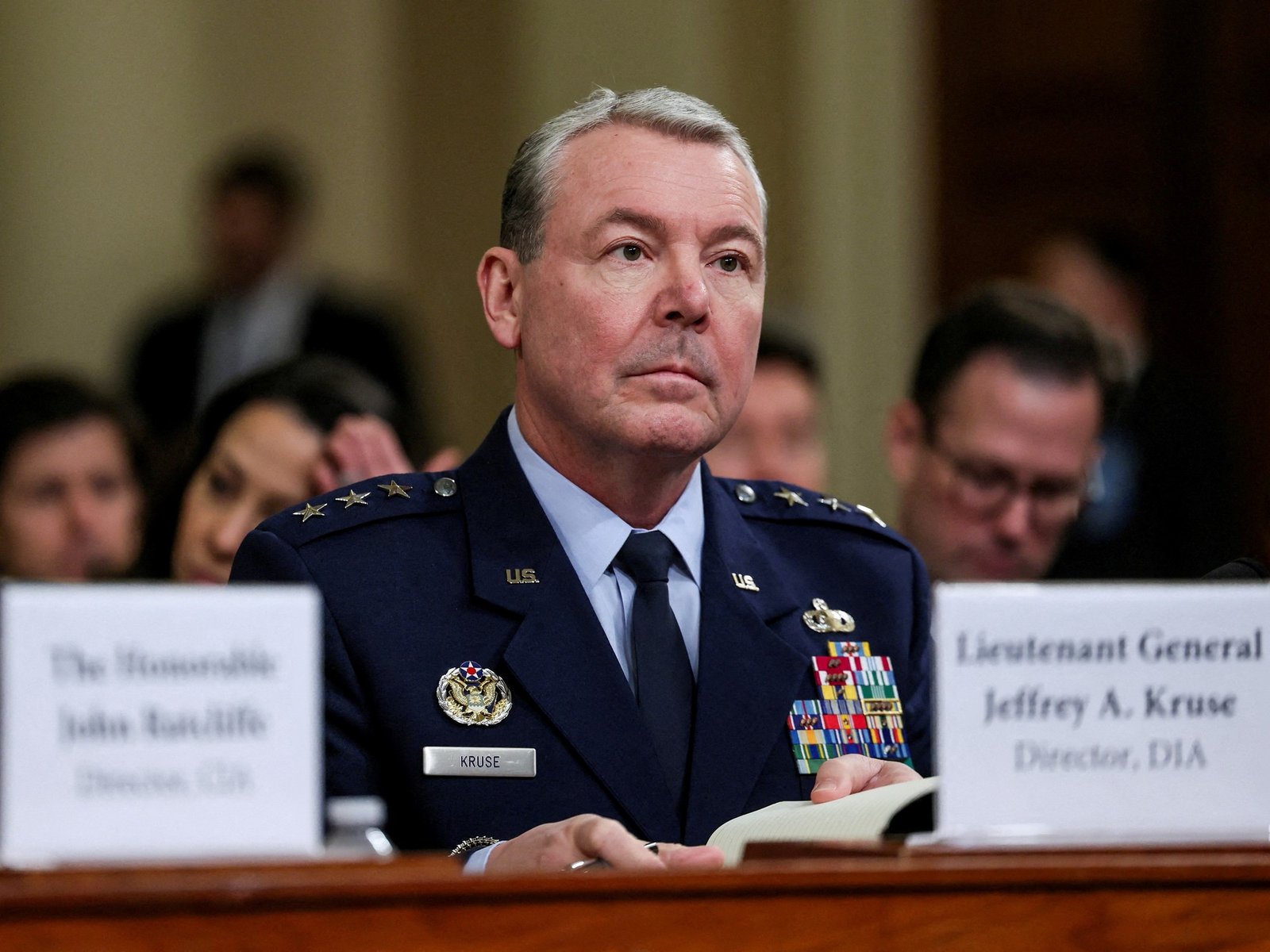
The Secretary of Defense of the United States, Pete Hegseth, fired a general whose initial intelligence assessment of the damages to Iranian nuclear sites caused by US attacks infuriated President Donald Trump, leading to his dismissal. Lieutenant General Jeffrey Kruse was responsible for the document that outlined the effects of the US bombings on Iran’s nuclear facilities. This action is part of a trend that has seen several high-ranking military officials removed from their positions since the Republican regained the White House.
Kruse’s report apparently did not align with Trump’s expectations or desired narrative regarding the outcomes of the US strikes on Iran. This led to his removal as the head of military intelligence, a significant position within the Pentagon. The decision to dismiss Kruse comes amidst a perceived shift in the leadership and strategic direction within the US military under the current administration. The fallout from the report and subsequent dismissal highlights the challenges and tensions that can arise when intelligence assessments clash with political agendas.
The incident involving Kruse adds to a growing list of top military officials who have been ousted or reassigned under the Trump administration. The move reflects the president’s willingness to make changes in key military positions based on his dissatisfaction with certain reports or assessments. The dismissal of a high-ranking official like Kruse underscores the importance of maintaining alignment between intelligence findings and the expectations of political leaders to ensure effective decision-making.
The Pentagon’s decision to terminate Kruse’s role as head of military intelligence underscores the delicate balance between providing accurate intelligence assessments and navigating the political sensitivities within the current administration. This episode serves as a reminder of the complexities involved in managing the relationship between the military, intelligence community, and political leadership. The aftermath of Kruse’s dismissal signals a broader issue concerning the intersection of intelligence, military operations, and political considerations in shaping national security policies.



Deixe um comentário