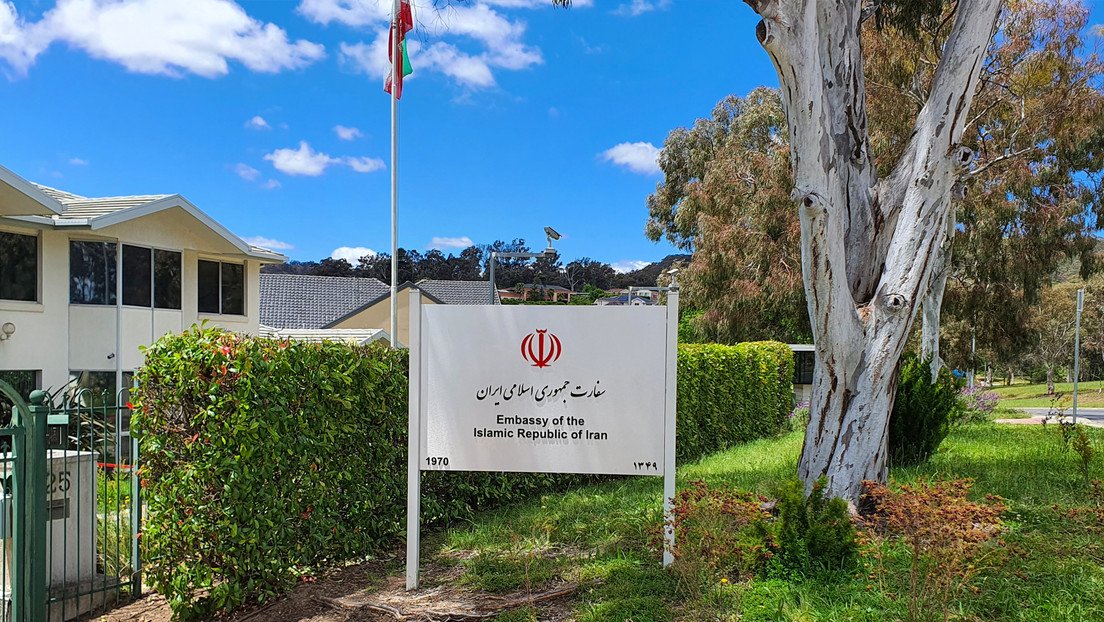
The Australian Government has accused Iran of being behind at least two attacks against the Jewish community in Australia, leading to the decision to expel the ambassador of the Islamic Republic, as reported by local media. In response, Tehran has promised reciprocal measures.
The tensions between Australia and Iran have escalated after the Australian Government pointed fingers at Iran for the attacks. This move has strained diplomatic relations between the two countries, with Australia taking a strong stance against what it perceives as threats to its community.
Iran, on the other hand, has denied any involvement in the attacks and has condemned Australia’s decision to expel its ambassador. Tehran has vowed to retaliate in kind, signaling a potential escalation in the conflict between the two nations.
The expulsion of the Iranian ambassador by Australia marks a significant development in the relations between the two countries, with potential repercussions on diplomatic ties and international relations. The move has raised concerns about the stability of the region and the impact on global affairs.
As tensions continue to rise between Australia and Iran, the international community is closely watching the situation unfold. The expulsion of the Iranian ambassador has sparked debates and discussions about the appropriate response to such incidents and the need for diplomatic solutions to resolve conflicts.
The diplomatic rift between Australia and Iran underscores the challenges of maintaining peace and stability in the region. Both countries are facing pressure to find a peaceful resolution to the conflict and prevent further escalation of hostilities.
The international community has called for restraint and dialogue to address the issues between Australia and Iran. The need for de-escalation and peaceful negotiations has become paramount in order to prevent further conflict and ensure the safety and security of all parties involved.





Deixe um comentário