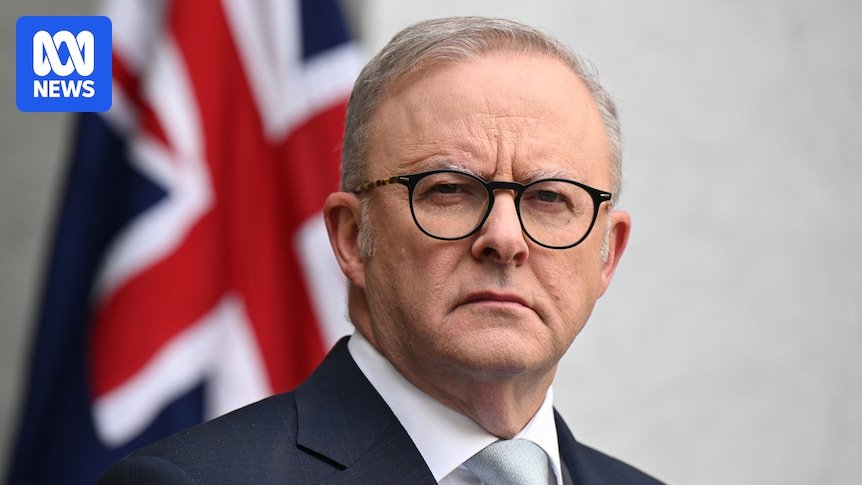
It didn’t take long after the firebombing of Melbourne’s Adass Israel Synagogue in December for political tensions to rise and quick judgments to be cast. The Australian Federal Police and ASIO were just beginning to unravel the evidence trail when accusations started flying. ‘There is clear evidence pointing towards Iran’s involvement in the bombing,’ ASIO reported. Both major parties agreed on expelling the Iranian ambassador and categorizing the IRGC as a terrorist organization. However, the spotlight quickly shifted to a political blame game over antisemitic incidents in Australia, with Sussan Ley directing accusing fingers at Albanese and Labor.
The aftermath of the Adass Israel Synagogue attack saw a sharp divide in opinions regarding the appropriate response. While there was consensus on taking swift action against Iran, the focus was soon diverted to the political fallout within Australia. Ley’s attempts to shift attention towards Albanese and Labor sparked a heated debate, drawing attention away from the unity initially demonstrated in condemning Iran’s involvement. Amidst the turmoil, calls for increased security measures for Jewish communities gained momentum, seeking to address the immediate threats arising from antisemitic attacks.
Despite the pressing need for solidarity in the face of extremist acts, the political arena remained fractured, with conflicting narratives shaping the discourse. As efforts to combat antisemitism gained traction, internal political clashes threatened to undermine the broader goal of safeguarding vulnerable communities. The ongoing disputes between Ley, Albanese, and Labor not only diverted attention from the essential steps needed for community protection but also deepened the rifts already present in Australian politics.
The impact of ASIO’s findings on the synagogue bombing extended beyond diplomatic implications to expose the underlying fault lines in Australia’s political landscape. While the initial response indicated a united front in addressing security concerns, the subsequent blame game marred the collaborative efforts. By deflecting attention from the primary issue at hand, the focus shifted to internal power struggles, clouding the path towards effective solutions. As discussions continued around expelling the Iranian ambassador and designating the IRGC as a terrorist entity, the overshadowing political discord threatened to overshadow the urgent need for collective action.
In the wake of the synagogue bombing revelation, a complex web of political agendas unfolded, intertwining with national security concerns. The escalation of tensions between key political figures underscored the challenges in maintaining a cohesive approach to addressing security threats. Despite the bipartisan agreement on certain measures, the ongoing disagreement over responsibility and accountability hindered progress towards a unified response. As the intricacies of the political fallout continued to unravel, the imperative to prioritize communal safety amidst external threats remained overshadowed by internal rivalries.



Deixe um comentário