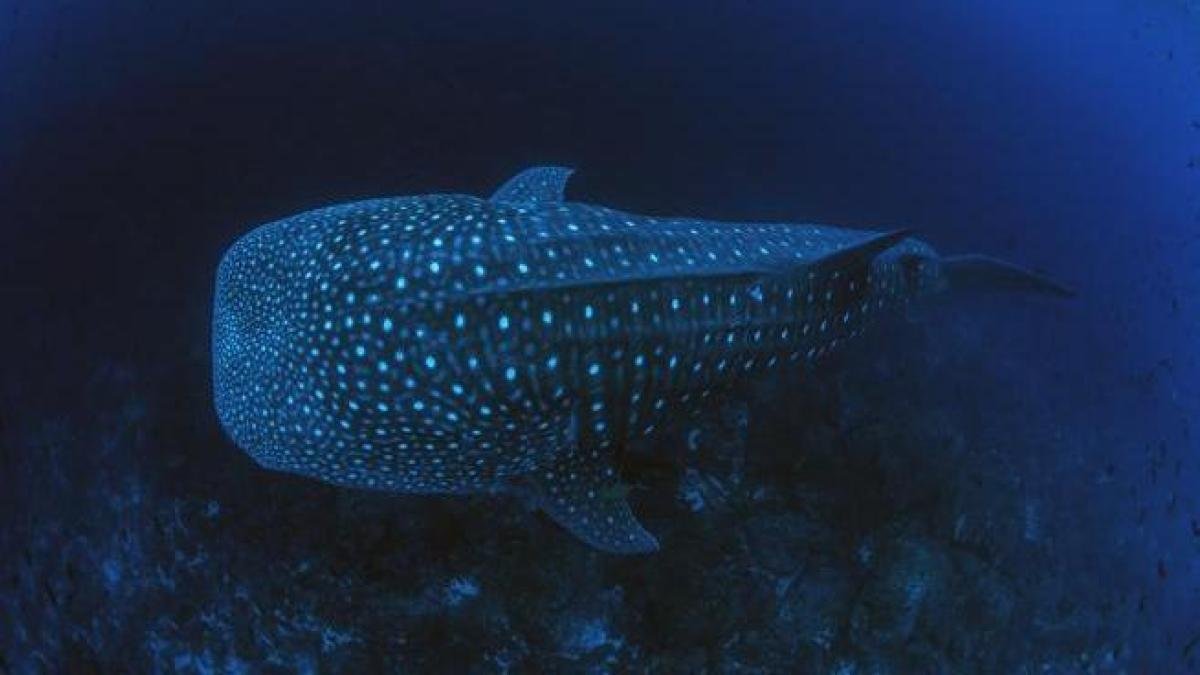
The Elasmobranch Institute of Indonesia has published a study in the journal Frontiers in Marine Science, which reports that 80% of whale sharks residing in tourist areas off the coast of West Papua (Indonesia) show scars attributed to human interactions. According to the researchers, these scars are mainly the result of boat collisions, fishing gear entanglements, and direct contact with tourists. The study highlights the impact of human activities on shark populations in these popular tourist spots.
The presence of scars on such a high percentage of whale sharks raises concerns about their welfare and the need for better conservation measures. Researchers emphasize the importance of promoting responsible tourism practices to minimize negative encounters between humans and marine life. The findings underscore the vulnerability of these majestic animals and the urgency of protecting their habitats from human-induced threats.
The study’s results serve as a wake-up call for authorities, tour operators, and the public to take immediate action to protect whale sharks and other marine species. Conservation efforts must be intensified to safeguard these creatures and ensure their survival for future generations. Responsible behavior from both locals and tourists is crucial in preserving the delicate marine ecosystems in these regions.
Efforts to reduce human impact on shark populations should be a priority for conservation organizations and policymakers. Collaboration between government agencies, NGOs, and local communities is essential to implement effective conservation strategies and enforce regulations that safeguard marine biodiversity. With concerted action, it is possible to reverse the trend of increasing injuries to whale sharks and other marine species.
In conclusion, the study sheds light on the pervasive threat that human activities pose to shark populations in Indonesian tourist areas. By raising awareness and implementing sustainable practices, it is possible to mitigate these threats and ensure a safer environment for marine life. The protection of whale sharks should be a top priority for all stakeholders involved in tourism and conservation initiatives.





Deixe um comentário