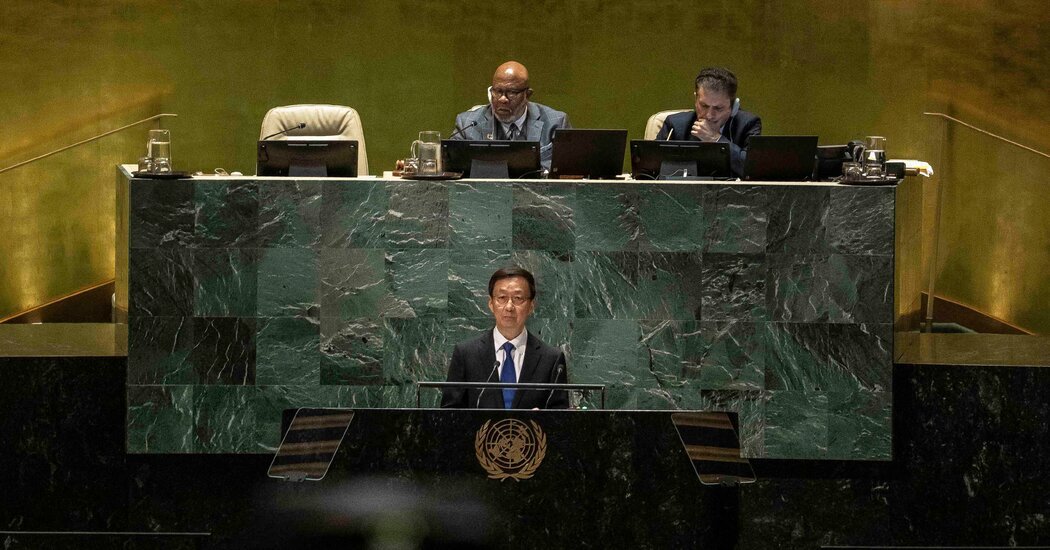
The United States is currently scaling back its involvement with the United Nations, creating room for other nations to step in. Russia, China, and Qatar are among the countries taking advantage of this shift in power dynamics. This move has significant implications for global politics and the distribution of influence within the U.N.
While attending a meeting in Geneva earlier this year, I learned of a pivotal gathering at the U.N. Human Rights Council that occurred in the city during the spring. This meeting shed light on the evolving dynamics within the council and the broader international arena. The discussions and decisions made at this event could have lasting effects on how human rights issues are addressed on a global scale.
As the U.S. continues to pull back from its U.N. commitments, other countries, namely Russia, China, and Iran, are eager to fill the void left behind. These nations are actively working to enhance their influence and expand their presence in key U.N. bodies. The strategic maneuvering of these countries could lead to a significant shift in power dynamics within the U.N. and impact how global issues are addressed moving forward.
The shift in U.S. involvement with the U.N. has created an opportunity for rivals like Russia, China, and Iran to assert their dominance on the international stage. These countries are strategically positioning themselves to capitalize on America’s withdrawal from certain U.N. initiatives and responsibilities. As they seek to solidify their influence, tensions and rivalries within the U.N. are likely to escalate, shaping the future of international cooperation and diplomacy.
Amidst America’s decreasing presence and influence within the U.N., other countries are stepping up their efforts to gain a stronger foothold in global decision-making processes. The power vacuum created by the U.S. retreat has opened doors for nations like Russia, China, and Iran to assert themselves and pursue their interests more aggressively. This restructuring of power dynamics at the U.N. is a reflection of the changing landscape of international relations and the evolving strategies of key players in the global arena.
The evolving landscape of global politics is being reshaped by the shifting dynamics within the U.N. as the U.S. takes a step back from its traditional leadership role. Rival nations are capitalizing on this opportunity to assert their influence and advance their agendas on the international stage. The repercussions of America’s retreat from the U.N. are reverberating across the global political landscape, with countries like Russia, China, and Iran vying for greater control and power within the organization

Deixe um comentário