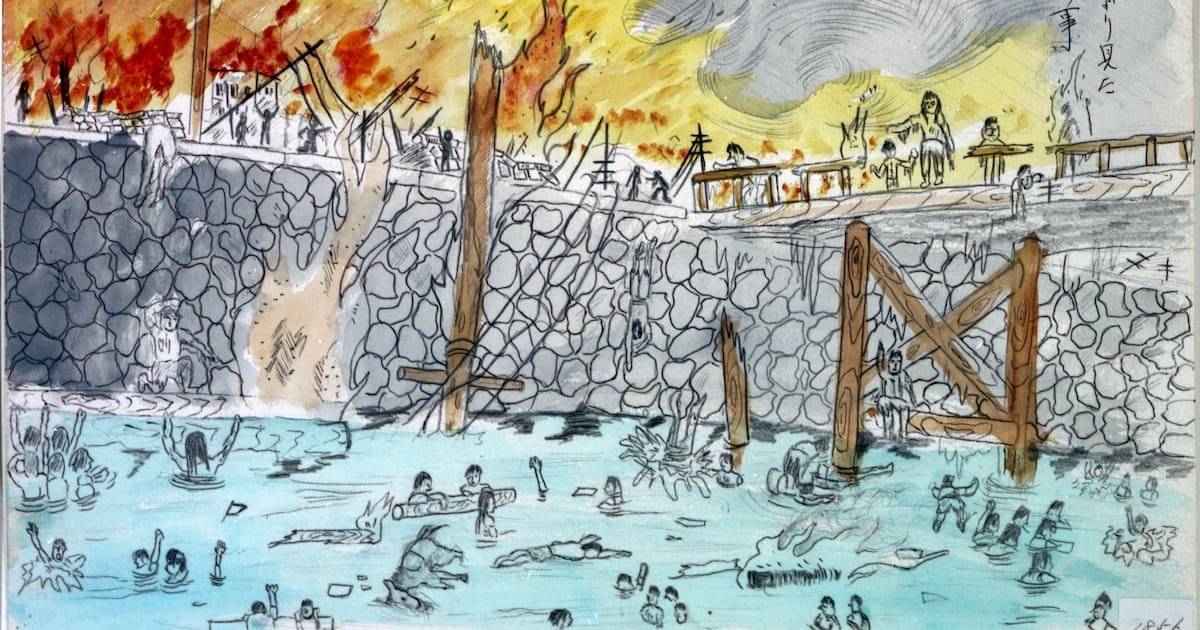
Between June and September 1945, the French finally celebrate peace. France’s face changes, as does the world’s, with the outline of a new world order. From the bombing of Hiroshima to the independence of Vietnam, a look back at an unusual summer in history.
As Michael Lucken points out, the United States’ actions towards Iran earlier in the year mirror the strategy used during the events in Japan. The American approach of waging war while promoting peace showcased a complex and often contradictory foreign policy stance.
Despite the devastation of Hiroshima and Nagasaki, the summer of 1945 marked a turning point for many nations. The end of World War II brought about significant changes in global dynamics and power structures, setting the stage for a new era in international relations.
Lucken’s analysis sheds light on the intricate path that led to the aftermath of the bombings. By exploring the dual nature of American strategies during times of conflict, he reveals the nuances of political rhetoric and military actions in the pursuit of strategic goals.
The shift in France’s landscape during the summer of 1945 reflects the broader transformations taking place worldwide. The post-war period saw a reconfiguration of alliances, ideologies, and territorial boundaries, reshaping the geopolitical map in ways that continue to impact world affairs today.
With the independence of Vietnam looming on the horizon, the summer of 1945 marked the beginning of decolonization movements in many parts of the world. The struggle for self-determination and sovereignty was now a central theme in global politics, challenging the traditional power structures of colonial empires.
Lucken’s examination of the events of 1945 provides valuable insights into the interconnected nature of historical narratives. By analyzing the intersection of war, peace, and power dynamics, he underscores the complexity of international relations and the enduring impact of key decisions made during pivotal moments in history.
In conclusion, the summer of 1945 stands as a poignant reminder of the dualities inherent in conflict and peace. The bombings of Hiroshima and Nagasaki underscore the devastating consequences of war, while the quest for post-war reconciliation and reconstruction highlights the ongoing pursuit of global stability and harmony.





Deixe um comentário