The recent scandal involving a preacher in Indonesia has reignited the debate on regulating preachers to ensure appropriate conduct and maintain ethical standards. This controversy has amplified calls for a certification program aimed at enhancing the quality of Muslim preachers. There is a divide between proponents of certification who argue it is necessary to protect congregants and uphold ethical norms, and critics who express concerns that it might restrict religious freedom and transform influential preachers into tools of political influence.
The preacher at the center of the scandal, Mohammad Elham Yahya Al Maliki, who is 24 years old, leads a religious organization in East Java. Videos surfaced showing him hugging a young girl and kissing children on the cheek. His actions faced swift condemnation from human rights advocates and religious leaders. Alissa Wahid, from Nahdlatul Ulama, Indonesia’s largest Muslim organization, expressed her disappointment, stating that Elham’s behavior contradicts the values of Islamic preaching, which should serve as a role model for the community.
Women’s Empowerment and Child Protection Minister, Arifah Fauzi, warned about the long-term impact of such actions on children. The incident has sparked concerns about the need for stricter regulations and oversight of preachers to prevent inappropriate behavior. Critics argue that unchecked behavior by preachers could lead to harmful consequences for vulnerable individuals, particularly children. Calls have been made for a comprehensive certification program to ensure that preachers meet specific standards of conduct and professionalism.
The scandal has prompted discussions on the role of preachers in society and the importance of regulating their behavior. Some advocate for a balance between religious freedom and the protection of community members from potential misconduct. Efforts are underway to establish guidelines and standards for preachers to uphold ethical conduct and prevent any form of inappropriate behavior. The incident has underscored the significance of ensuring that individuals in positions of influence adhere to established ethical standards and do not abuse their authority.
The controversy serves as a catalyst for strengthening regulations around preacher conduct and improving the quality of religious discourse in Indonesia. The debate on certification programs for preachers continues to gain traction, with proponents emphasizing the need for accountability and transparency in religious leadership. By addressing these issues, Indonesia aims to enhance the credibility of its preachers and safeguard the well-being of its communities. The ongoing discussions surrounding preacher regulation reflect a broader commitment to promoting ethical behavior and accountability among religious leaders in the country.

Child kissing scandal in Indonesia reignites debate on preacher regulation

-
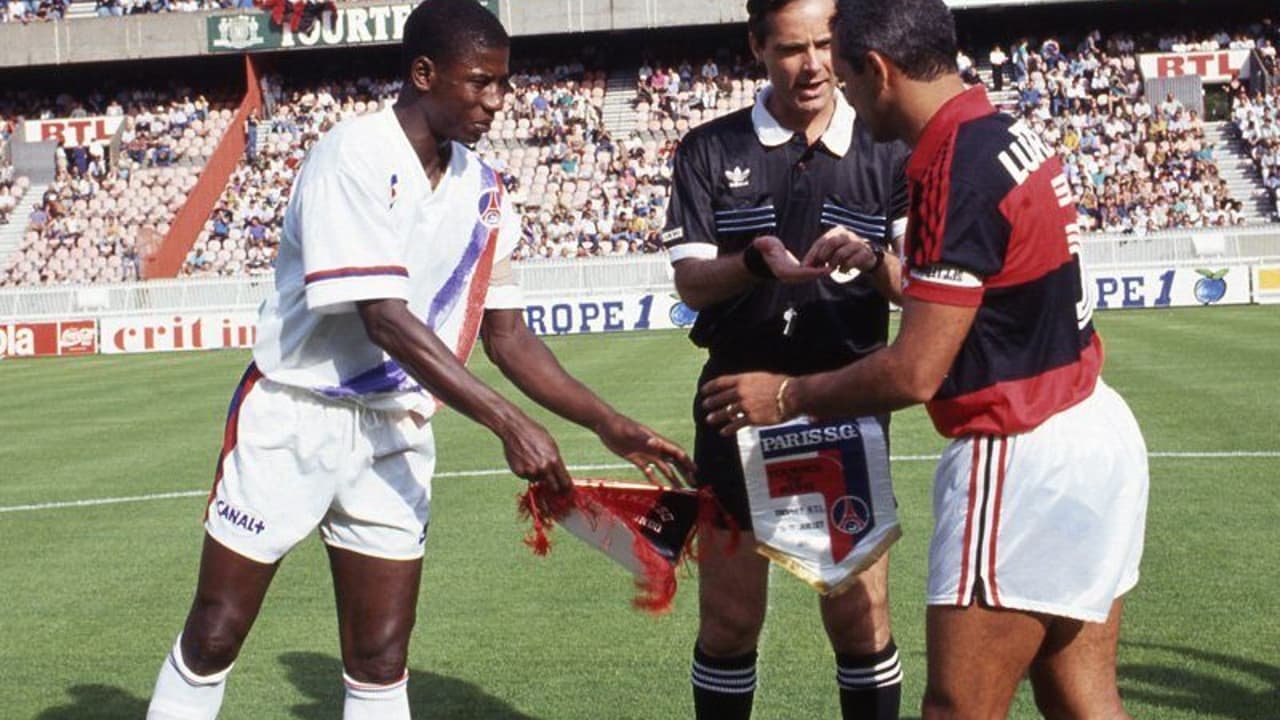
Flamengo and PSG have faced each other three times; check out their record
-

Indonesia Open Footgolf Tournament: Comedian Oki Rengga Admits Addiction, Wants to Become a Professional Athlete
-
Shameful Incident in Punjab! Landlord Rolls Tenant’s Daughter
-
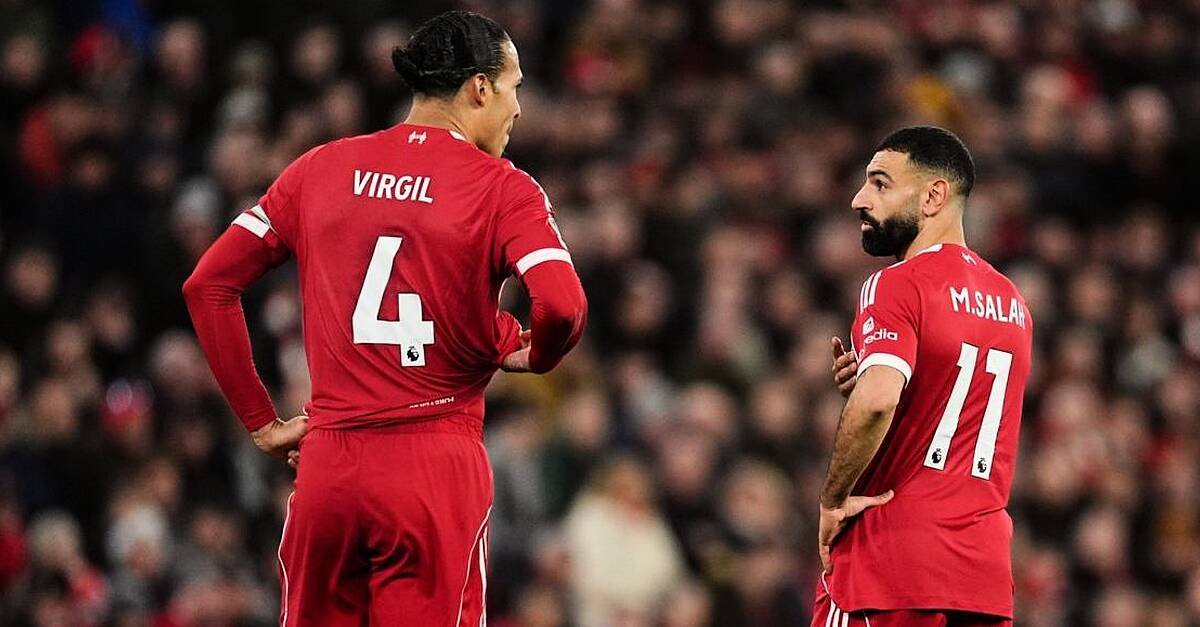
Virgil van Dijk Expresses Desire for Mohamed Salah to Stay at Liverpool
Deixe um comentário