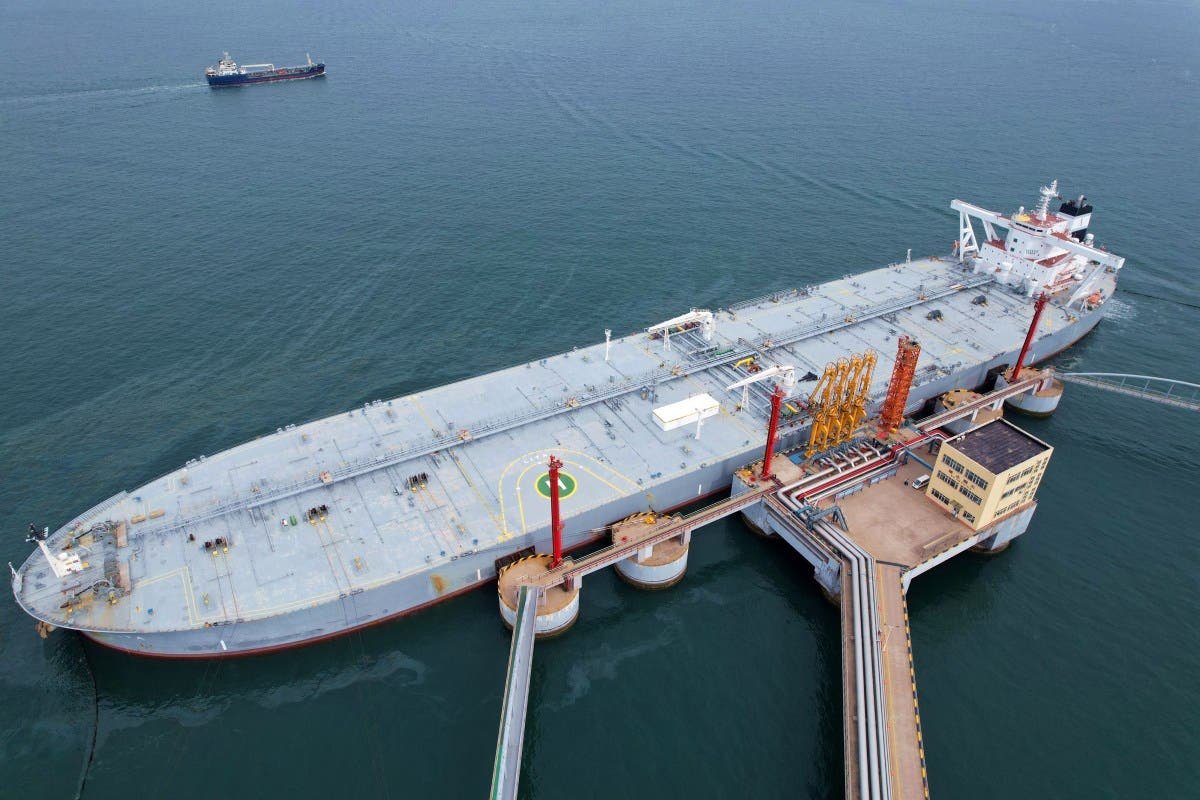
China’s imports of sanctioned Iranian, Russian, and Venezuelan oil have surged in recent years, nearly doubling between 2019 and 2024. This increase has raised concerns among allies of these sanctioned countries, especially Russia and Iran. Recently, operators at Qingdao Port in eastern Shandong province, one of China’s major oil ports, have announced new restrictions targeting foreign ‘shadow fleet’ tankers transporting sanctioned crude. This move is significant as it indicates China’s efforts to comply with international sanctions and regulations, affecting the operations of countries like Russia and Iran, which rely heavily on China as a major oil importer.
The restrictions imposed by Qingdao Port are expected to impact the delivery of sanctioned oil from Iran, Russia, and Venezuela to China. These ‘shadow fleet’ tankers have been a key conduit for delivering sanctioned crude to China, bypassing official channels. By cracking down on these vessels, China is signaling a shift towards a more compliant stance in the global oil trade landscape. This development is likely to have far-reaching implications for the sanctioned countries and their allies, as it limits their ability to access the Chinese market through unconventional means.
The significance of China’s ban on ‘shadow fleet’ tankers extends beyond just economic implications. It also underscores the country’s evolving role in enforcing international sanctions and regulations. As a major player in the global oil market, China’s actions reverberate throughout the industry, impacting not only the sanctioned countries but also other key players. The ban on these tankers reflects China’s willingness to align with international norms and standards, which could reshape the dynamics of oil trading in the region.
For Russia and Iran, the ban on ‘shadow fleet’ tankers represents a setback in their efforts to circumvent sanctions and maintain access to crucial markets. As two countries heavily reliant on oil exports, any disruptions in their trade partnerships with China can have significant repercussions for their economies. This move by China serves as a wake-up call for these countries to reassess their strategies and adapt to a more stringent enforcement environment. It also highlights the interconnected nature of the global oil trade, where actions taken by one country can have cascading effects on others.
Overall, China’s decision to ban ‘shadow fleet’ tankers delivering sanctioned crude sends a clear message to its allies Russia and Iran, as well as the broader international community. By enhancing enforcement measures and cracking down on illicit oil trading practices, China is demonstrating its commitment to upholding global standards and regulations. This move not only impacts the targeted countries but also sets a precedent for future actions in combating illegal trade practices in the oil industry.




Deixe um comentário