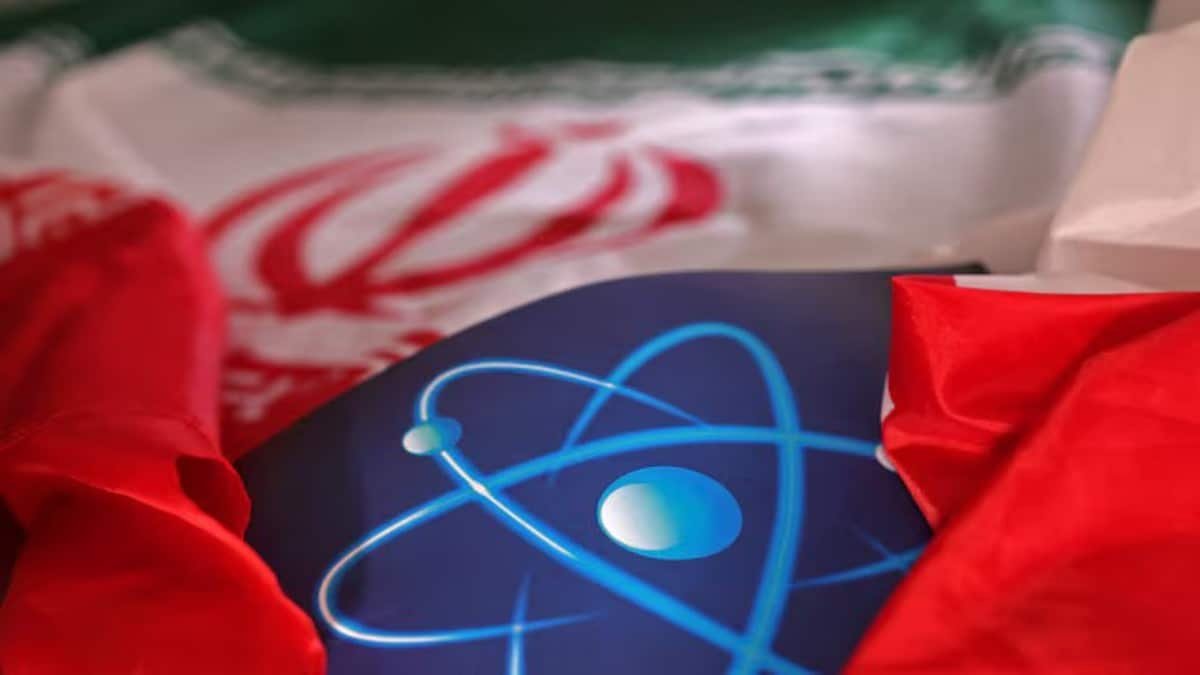
France, Britain, and Germany have issued a strong warning regarding the possibility of activating the ‘snapback mechanism’, a unique provision that could automatically reapply all previous United Nations sanctions on Iran related to its nuclear activities. This mechanism offers a swift process for reinstating the pre-nuclear deal sanctions on Tehran, avoiding potential blockades by powerful veto-wielding nations like Russia and China. The move is a response to Iran’s alleged violations of the 2015 nuclear agreement, prompting the European countries to explore options to hold Iran accountable for its actions.
The ‘snapback mechanism’ was initially included in the Iran nuclear deal as a way to ensure compliance and address any breaches by the involved parties. Its activation would result in the immediate reinstatement of all UN sanctions that were lifted as part of the agreement, effectively rolling back the progress made in easing economic pressures on Iran. France, Britain, and Germany, as signatories of the original deal, have expressed their commitment to upholding the agreement’s terms and are now contemplating the use of this mechanism to address Iran’s non-compliance.
This decision reflects a significant shift in diplomatic strategies towards Iran, as it signals a willingness to bypass potential obstacles within the UN Security Council. By utilizing the ‘snapback mechanism’, France, Britain, and Germany aim to reassert international pressure on Iran and compel the country to adhere to its nuclear obligations. The move underscores the growing concerns over Iran’s nuclear ambitions and the need for stringent enforcement of non-proliferation measures to maintain global security.
The potential reimposition of UN sanctions on Iran through the ‘snapback mechanism’ has raised apprehensions among other Security Council members, particularly Russia and China, who have historically opposed unilateral actions targeting Iran. However, the unique nature of this mechanism allows for its activation without the need for a Security Council vote, providing France, Britain, and Germany with a direct method to hold Iran accountable for its actions. This development underscores the complexities of international relations and the nuances involved in managing geopolitical tensions effectively.
As the debate surrounding the ‘snapback mechanism’ continues to unfold, the international community is closely monitoring the actions of France, Britain, and Germany regarding its potential implementation. The decision to trigger this provision could have far-reaching implications for future diplomatic relations with Iran and may set a precedent for addressing non-compliance with international agreements. With the stakes high and tensions escalating, the utilization of the ‘snapback mechanism’ remains a critical point of contention in global efforts to address Iran’s nuclear activities.



Deixe um comentário