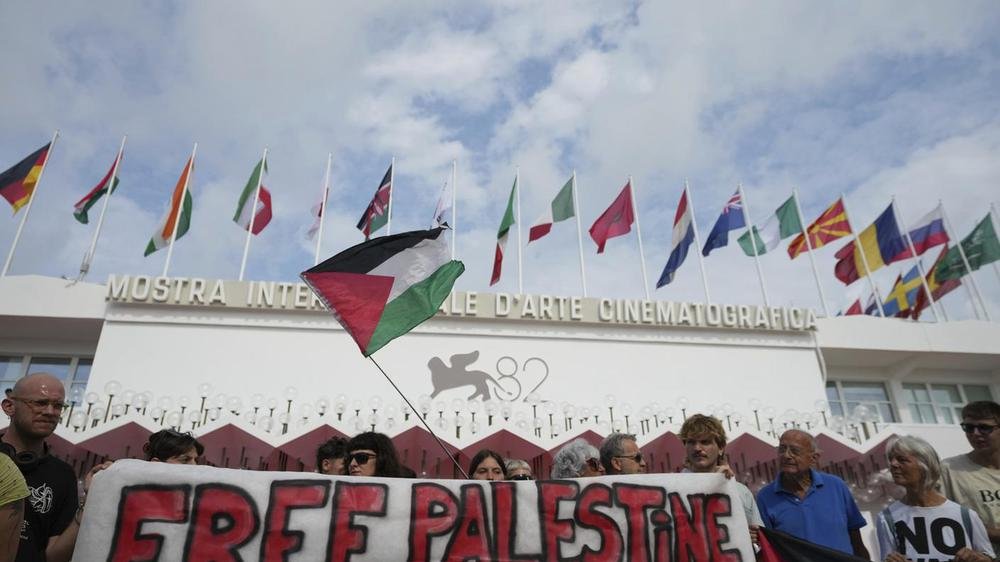
The transition from taking a position to a form of cultural boycott is essential. As Foa mentioned, it may be somewhat secondary, beyond the ‘seriousness’ of cinema, which is open to discussion. A boycott in the absence of an economic boycott raises intriguing questions about its effectiveness and impact. The cultural boycott as a tool for raising awareness and fostering solidarity is crucial in cases involving Gaza, Ukraine, and Iran.
Cultural boycotts serve as a powerful means of symbolic protest. They highlight injustices and human rights violations, drawing attention to global issues. By targeting specific cultural events or institutions, such as the Venice4Palestine movement or scientific collaborations with problematic regimes, individuals can make a significant impact on public opinion. These actions prompt discussions and encourage reflection on ethical dilemmas surrounding cultural exchanges, artistic collaborations, and research partnerships.
A critical analysis of cultural boycotts reveals complex ethical considerations. While some argue that cultural engagement can promote dialogue and understanding, others contend that it inadvertently legitimizes oppressive regimes or unjust practices. The need to balance engagement with accountability is paramount when navigating such dilemmas. Evaluating the nuances of each situation, such as the case of Gaza, Ukraine, and Iran, requires a nuanced approach to determine the most effective course of action.
The intersection of culture, politics, and ethics in boycott movements underscores the interconnectedness of global issues. By scrutinizing collaborations between cultural institutions, artists, and researchers in conflict-ridden regions, individuals can challenge power dynamics and advocate for justice. Through informed decision-making and strategic planning, cultural boycotts can contribute to a more equitable and just world, where human rights are upheld and respected.
In conclusion, the dilemmas of boycott tactics extend beyond mere symbolism. They prompt individuals to reflect on their roles as global citizens and the ethical implications of cultural interactions. By examining the intricacies of cultural boycotts in relation to cinematic, literary, and scientific arenas, one can gain a deeper understanding of the complexities involved in promoting social justice and human rights on a global scale.



Deixe um comentário