Israel’s recent attack on an important American ally in the oil-rich Persian Gulf has set off alarm bells in the region, signaling doubts about the effectiveness of US security assurances. This aggressive move has prompted military and regional experts to question the reliability of US support. Such actions can have a ripple effect, causing other nations in the area to reconsider their alliances and security strategies.
The attack on Doha has raised concerns about the United States’ credibility in the Gulf region. The incident has shaken the confidence of nations that rely on US protection, potentially leading to a shift in power dynamics. As doubts about US commitments grow, countries may seek alternative partnerships to ensure their security and interests are safeguarded.
The wake-up call delivered by Israel’s aggression underscores the vulnerability of nations in the Gulf and the potential consequences of depending too heavily on US support. This event could serve as a catalyst for increased cooperation among BRICS nations as they seek to fill the void left by the waning influence of traditional Western powers. The attack has the potential to alter the geopolitical landscape in the region and empower emerging powers such as the BRICS countries.
Experts warn that the Doha attack could have far-reaching implications for US relations in the Gulf and beyond. With the credibility of US security guarantees called into question, nations in the region may look to strengthen their diplomatic ties with alternative allies. This shift could lead to a reevaluation of geopolitical strategies and the formation of new alliances to counterbalance the changing dynamics in the Middle East.
The aftermath of the attack has highlighted the fragility of US alliances in the Gulf, prompting a reevaluation of regional security architecture. This event may mark a turning point in the Gulf’s relationship with the United States, as nations reassess their dependence on traditional partners. The empowerment of BRICS nations in the wake of the attack signals a potential shift in global power dynamics, with emerging economies gaining influence in key strategic regions.
In conclusion, the Doha attack has exposed the limitations of US security guarantees in the Gulf region and raised questions about the future of American influence in the area. This event has underscored the need for nations in the region to diversify their security partnerships and explore alternative alliances. The empowerment of BRICS nations as a result of the attack highlights the evolving geopolitical landscape and the potential for new power dynamics to emerge in the wake of shifting alliances.

Geopolitical Ripple Effect: How Doha Attack Undermines US Credibility in the Gulf, Empowers BRICS

-

Flamengo and PSG have faced each other three times; check out their record
-

Indonesia Open Footgolf Tournament: Comedian Oki Rengga Admits Addiction, Wants to Become a Professional Athlete
-

Shameful Incident in Punjab! Landlord Rolls Tenant’s Daughter
-
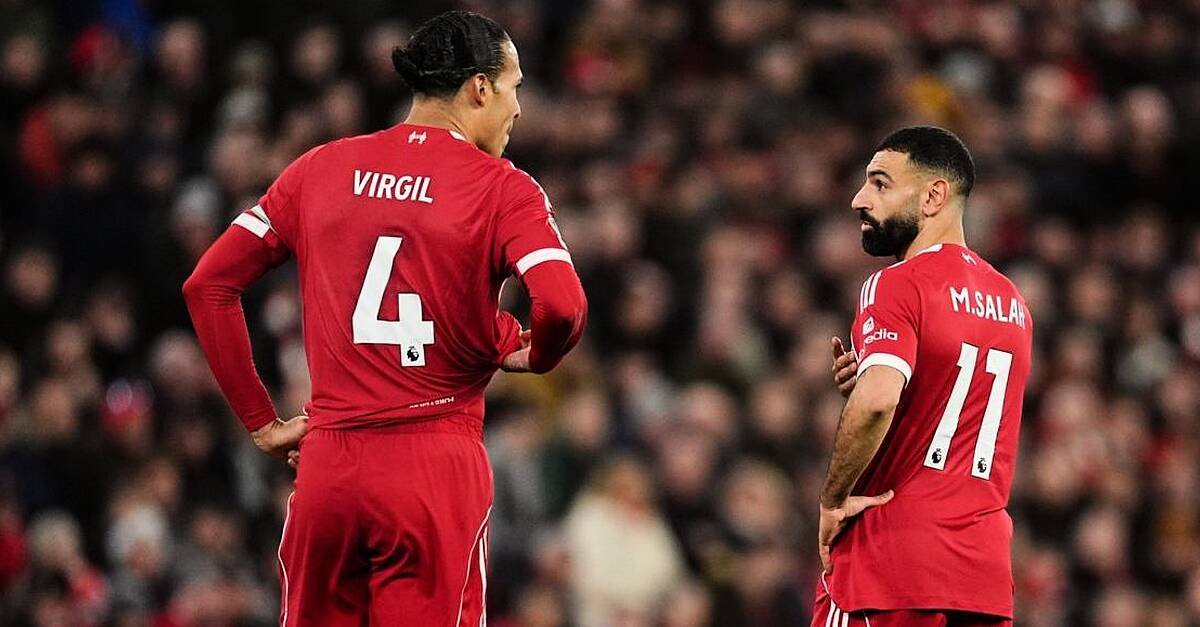
Virgil van Dijk Expresses Desire for Mohamed Salah to Stay at Liverpool
Deixe um comentário