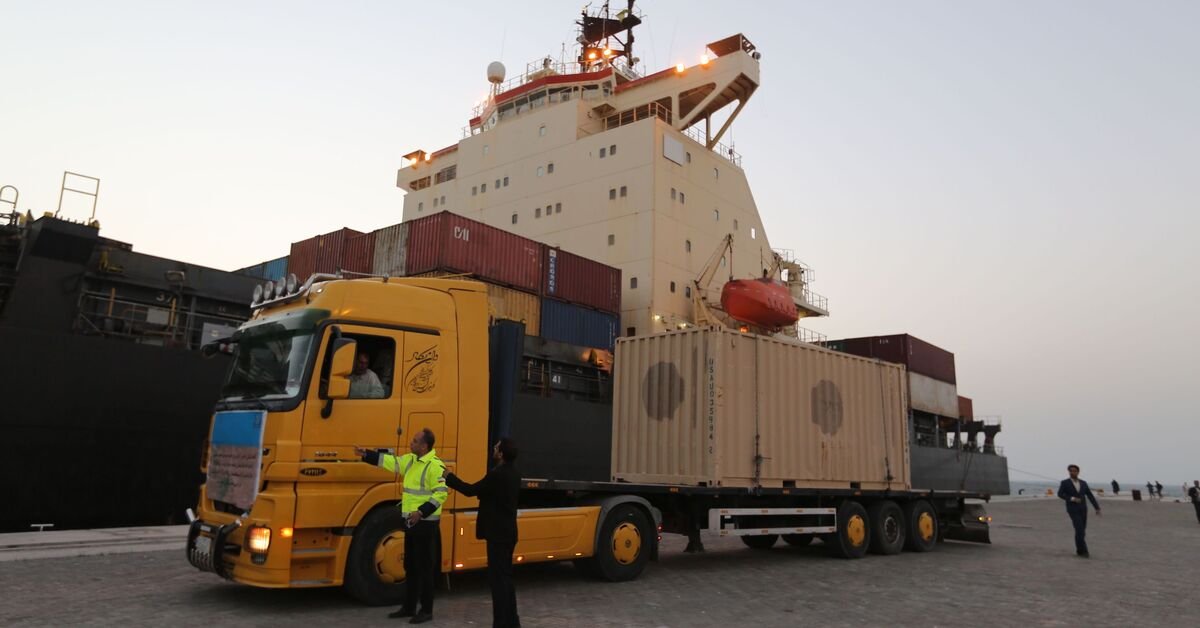
India has been diligently involved in the strategic development of the key Gulf port, Chabahar, for almost a decade. However, this initiative has faced challenges due to the imposition of US sanctions on Iran.
India has been exploring various options to navigate the complexities arising from the US decision to end the waiver for Iran’s Chabahar Port. The port holds significance for India’s strategic interests, especially in its efforts to establish connectivity and trade routes with Afghanistan and Central Asia.
In light of the US sanctions on Iran, India finds itself in a delicate position as it assesses the impact of the waiver revocation on its projects and investments in Chabahar. The development of the port is crucial for India’s regional geostrategic goals, making the situation even more complex for Indian policymakers.
The move by the US to revoke the waiver for Chabahar Port has put India in a challenging position, prompting the country to evaluate alternative strategies to safeguard its interests while adhering to international sanctions. India’s careful consideration of its options reflects the intricate diplomatic balancing act it must perform amidst shifting global dynamics.
As India weighs its options in response to the US decision, the country is in discussions with Iranian authorities to find a way forward for the Chabahar Port project. The negotiations aim to address the complications arising from the sanctions and explore potential solutions to ensure the progress of the port’s development.
Facing pressure from both US sanctions and its own strategic imperatives, India is treading cautiously in its approach towards the Chabahar Port project. The country’s decisions in this context will have far-reaching implications for its regional influence and connectivity initiatives in the Gulf and beyond.




Deixe um comentário