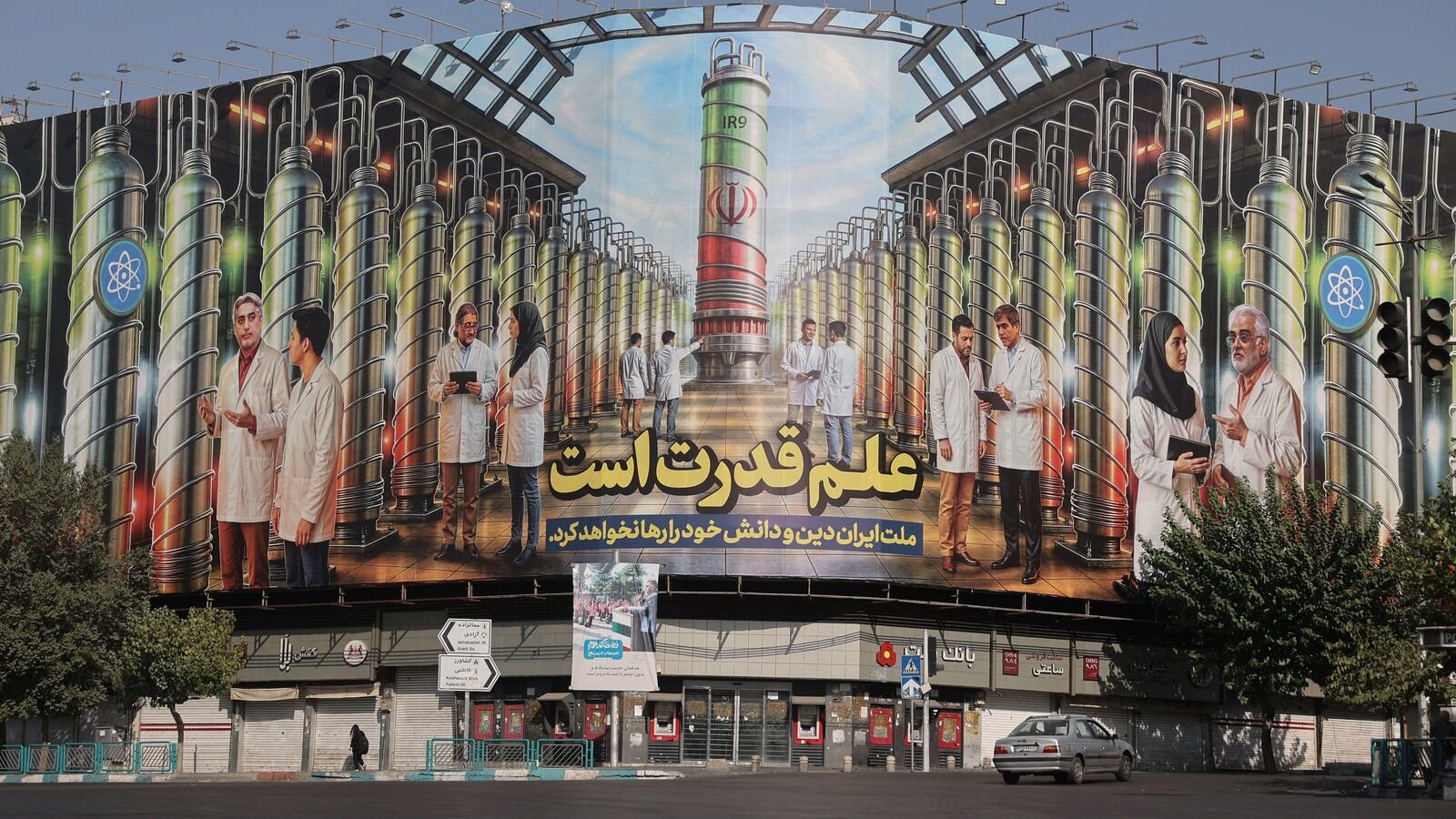
Iran’s Foreign Minister Abbas Araghchi and IAEA chief Rafael Grossi reached an agreement in Cairo, allowing access to Iran’s nuclear sites. The deal, reached after weeks of negotiations, lacks specific deadlines for inspections or Iran’s compliance. However, the agreement marks a step towards transparency following Iran’s suspension of cooperation with the agency after the June attacks on its facilities.
Araghchi and Grossi’s agreement could provide vital information on the extent of damage caused by the summer war. The lack of a specified timeline for inspections raises concerns about the effectiveness of the agreement and Iran’s commitment to transparency. The deal may offer the IAEA a first-hand look at the impact of the recent conflict on Iran’s nuclear sites.
The agreement between Iran and the IAEA signifies a potential reopening of dialogue and cooperation between the two parties. While the deal does not set clear deadlines for Iran, it lays the groundwork for further discussions on nuclear inspections. The lack of specific timelines raises questions about how the agreement will be enforced and whether Iran will fully comply with the IAEA’s requests.
With tensions in the region remaining high, the agreement between Iran and the IAEA could ease concerns about Iran’s nuclear activities. The lack of set deadlines for inspections may hinder the effectiveness of the agreement in addressing these concerns. However, the willingness of both parties to engage in dialogue and cooperation is a positive step towards enhancing transparency and trust in Iran’s nuclear program.
The deal between Iran and the IAEA opens the door for increased monitoring and inspection of Iran’s nuclear sites. While the agreement lacks specific deadlines, it provides a framework for ongoing cooperation and dialogue. Moving forward, it will be crucial for both parties to work towards establishing clear timelines for inspections to ensure effective oversight of Iran’s nuclear activities.




Deixe um comentário