A desert-like patch of sand and scrawny trees in the largest cemetery in Iran’s capital has been the final resting place for decades for some of the thousands killed in the mass executions that followed Iran’s 1979 Islamic Revolution. The site in Tehran’s Behesht-e Zahra cemetery, known as the Kermanshah mass grave, held the bodies of political prisoners executed during the early years of the revolution. Until recently, the mass grave was marked by a simple earthen mound and used to have a sign with the names of some of the executed prisoners. However, authorities discreetly paved over the site, removing the sign and trees, leading to speculation about the government’s intentions. The families of those buried there were not informed by authorities about the decision to pave over the mass grave, adding to their anguish and desire for closure. The lack of transparency and disregard for the families’ anguish has fueled further unrest and criticism among activists and human rights organizations.
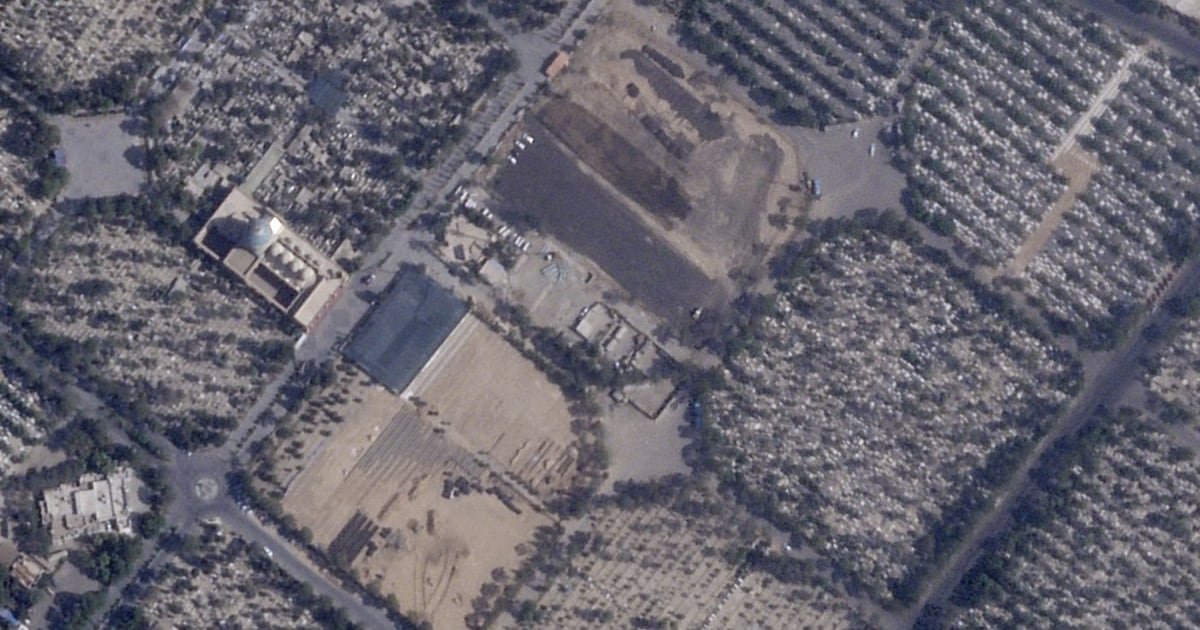
Iran Paves Over Mass Grave of 1979 Revolution Victims

-

Flamengo and PSG have faced each other three times; check out their record
-

Indonesia Open Footgolf Tournament: Comedian Oki Rengga Admits Addiction, Wants to Become a Professional Athlete
-

Shameful Incident in Punjab! Landlord Rolls Tenant’s Daughter
-

Virgil van Dijk Expresses Desire for Mohamed Salah to Stay at Liverpool
Deixe um comentário