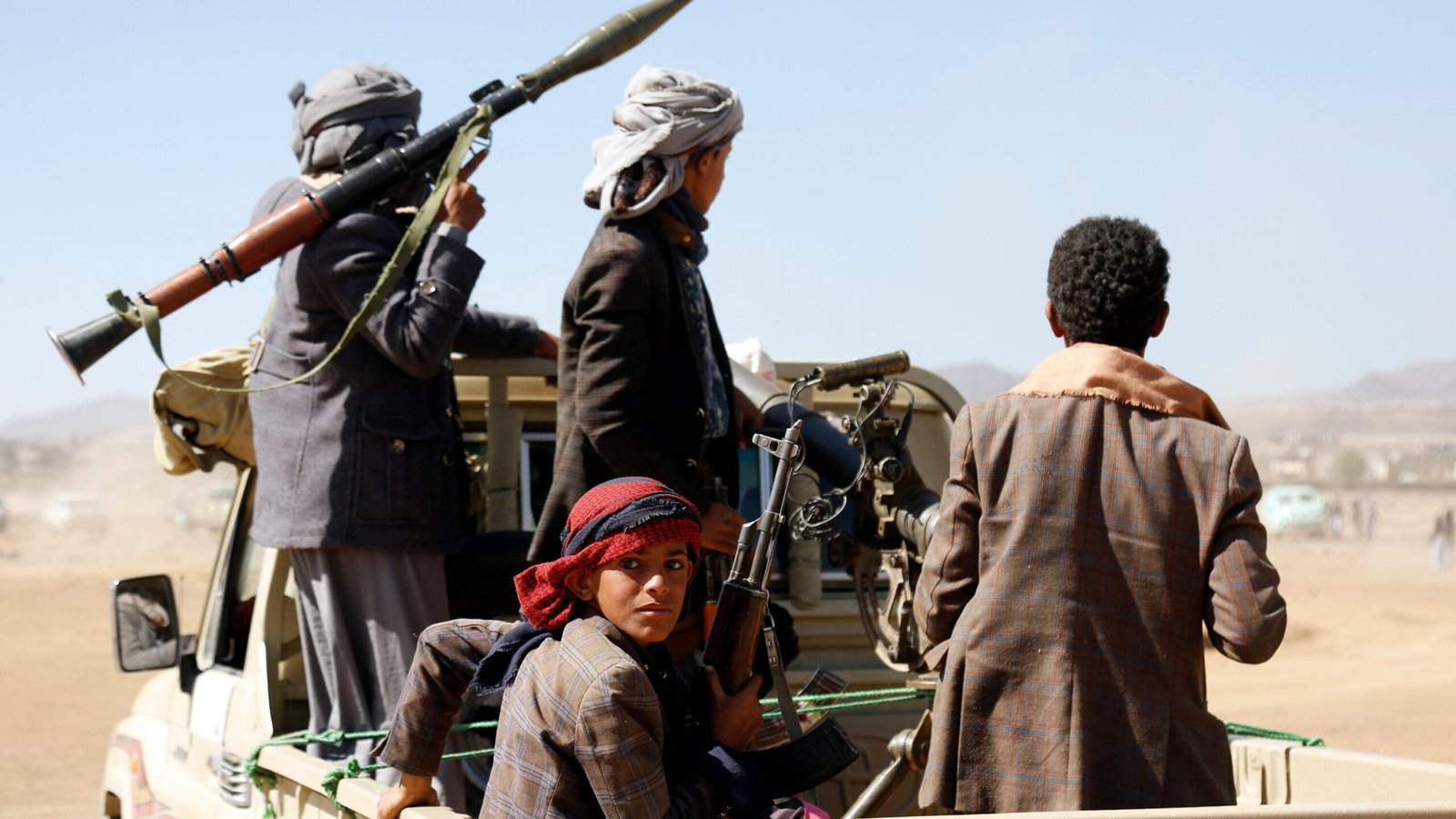
Since October 7, Iran-backed terrorists like Hamas, Hezbollah, the IRGC, and the Houthis have posed a significant threat to Israel. In retaliation, Israel has initiated a series of strategic strikes and focused efforts to eliminate key figures associated with these Iranian proxies in various Middle Eastern regions. These actions underscore the escalating tensions and conflicts in the region, highlighting the ongoing struggle for power and influence.
The threats and attacks coming from Iran-backed groups have pushed Israel to take decisive measures to protect its national security and interests. The operations conducted by Israel reflect a proactive approach to counter the growing aggression from proxies supported by Iran. By targeting the leadership of organizations like Hezbollah and the Houthis, Israel aims to cripple their operational capabilities and deter future acts of violence against its borders.
Israel’s responses to these provocations have been met with mixed reactions from the international community. While some nations acknowledge Israel’s right to defend itself against terrorist activities, others have raised concerns about the potential escalation of hostilities in the region. The involvement of Iranian proxies in conflicts across the Middle East adds a layer of complexity to the geopolitical landscape, with implications for regional stability and security.
The strategic strikes and targeted assassinations carried out by Israel signal a shift in tactics aimed at disrupting the activities of groups aligned with Iran. By focusing on eliminating key figures within these organizations, Israel seeks to weaken their command structure and hinder their ability to launch attacks against Israeli targets. The precision and coordination involved in these operations demonstrate Israel’s commitment to confronting threats posed by Iranian proxies in a calculated and strategic manner.
As the conflict between Israel and Iranian proxies intensifies, the risk of wider regional implications looms large. The actions taken by both sides have the potential to draw other actors into the fray, further complicating an already volatile situation. The targeting of Hezbollah and Houthi leadership underscores Israel’s determination to address security threats proactively, while also highlighting the broader implications of the ongoing power struggles within the Middle East.
Overall, the dynamics of Israel’s war with Iranian proxies reflect a complex web of political, military, and ideological factors at play in the region. The efforts to eliminate key figures within groups like Hezbollah and the Houthis underscore the high stakes involved in this ongoing conflict. As Israel navigates this challenging landscape, the implications for regional security and stability remain a key concern for global observers, underscoring the need for diplomatic efforts to contain the escalation of tensions and prevent further destabilization in the Middle East.


Deixe um comentário