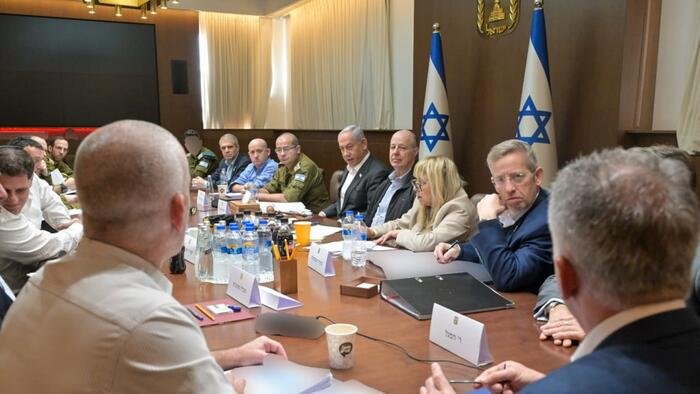
Private discussions among Israeli officials before launching a war against Iran in June revealed that Tehran’s development of nuclear weapons was not a top priority. Despite Israeli Prime Minister Benjamin Netanyahu’s public concerns, the private talks suggested a different perspective on the matter. The Israeli media reports shed light on the behind-the-scenes discussions that took place before the attack, indicating that the urgency of Iran’s nuclear program may have been exaggerated in the run-up to the military operation.
According to reports from The Libertarian Institute, the private conversations revealed that Israeli officials did not view Iran’s nuclear capabilities as an imminent threat at the time of the attack. This information contrasts with the public statements made by Netanyahu and other officials regarding the urgency of addressing Iran’s nuclear ambitions. The revelations suggest that the perception of Iran’s nuclear program may have been inflated for political purposes in the lead-up to the military action.
The Israeli media coverage highlights a discrepancy between the public narrative surrounding Iran’s nuclear weapons and the private assessments made by officials behind closed doors. The reports indicate that while Netanyahu portrayed Iran’s nuclear program as a pressing issue in his public statements, the private discussions among Israeli officials presented a different viewpoint. This revelation raises questions about the political motivations behind the decision to launch the attack on Iran and the extent to which the nuclear weapons issue factored into that decision.
The revelations from the private discussions provide new insights into the factors that influenced Israel’s decision to attack Iran in June. By highlighting the disparity between public rhetoric and private assessments of the nuclear weapons issue, the reports call into question the perceived urgency of addressing Iran’s nuclear program at the time. The differing perspectives showcased in the media reports offer a more nuanced understanding of the deliberations that preceded the military action against Iran, challenging the narrative of an immediate nuclear threat that was put forth by Israeli officials at the time of the attack.
In light of the information revealed by the Israeli media reports, a reassessment of the motivations behind the attack on Iran is warranted. The discrepancies between public statements and private discussions suggest that the urgency of addressing Iran’s nuclear weapons program may have been overstated for political reasons. This new perspective underscores the importance of critically examining the factors that drive military actions and raises important questions about the role of nuclear weapons issues in shaping international conflicts.




Deixe um comentário