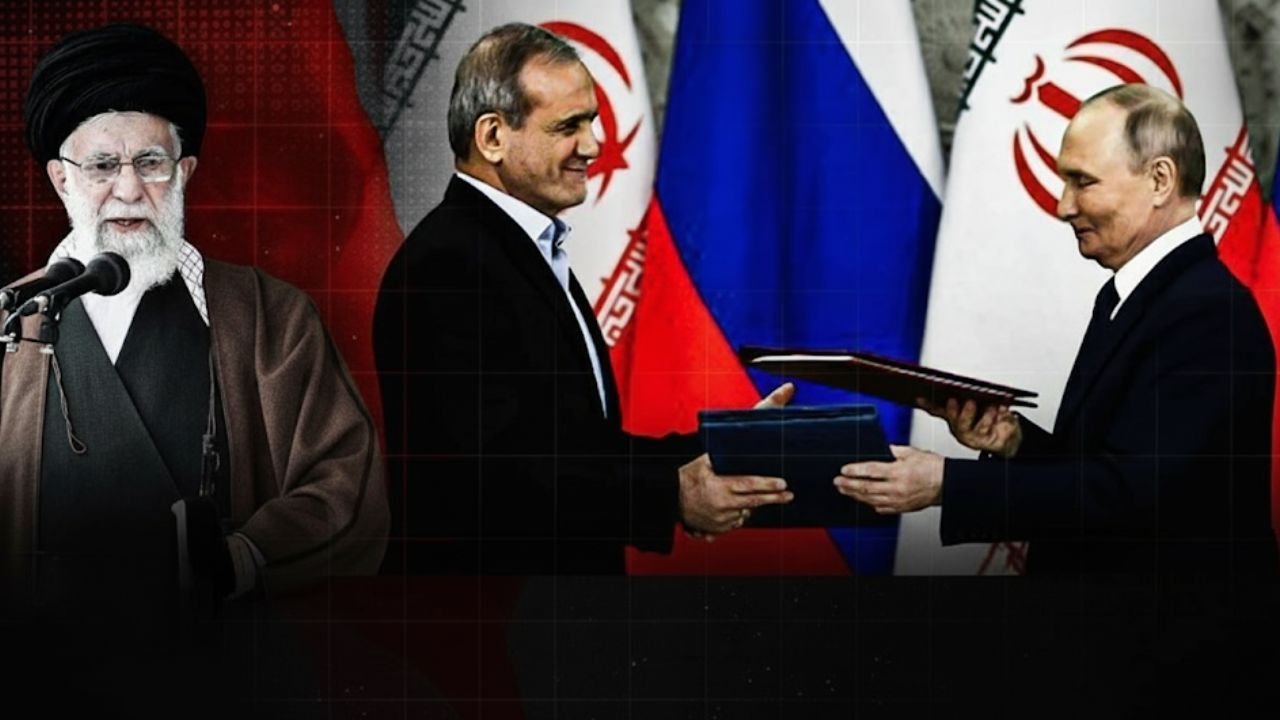
Russia and Iran have signed an agreement for the establishment of small nuclear energy plants in Iran. Iran aims to produce 20 gigawatts of nuclear energy by the year 2040. The deal, kept secret until now, has sparked global interest and concern. The agreement includes the construction of eight new nuclear plants in Tehran, adding significant capacity to Iran’s energy production.
The collaboration between Russia and Iran on nuclear energy has raised questions and generated controversy internationally. The agreement lays out plans for the construction of multiple power plants, with the goal of boosting Iran’s nuclear energy output substantially. While Iran sees this as a positive step towards meeting its energy needs, many countries express fears about the potential risks associated with the expansion of Iran’s nuclear capabilities.
As the news of the Russia-Iran nuclear deal spreads, diplomatic tensions rise and reactions vary across different regions. The agreement highlights the complex relationships between nations with differing interests and priorities. The implications of this deal extend beyond the borders of Russia and Iran, impacting global politics and energy dynamics.
The strategic alliance between Russia and Iran in the nuclear energy sector signals a significant development in both countries’ energy strategies. The construction of new nuclear plants in Tehran is set to reshape the energy landscape in the region and potentially alter the balance of power on the global stage. With Russia’s expertise in nuclear technology and Iran’s energy ambitions, the partnership has the potential to reshape the dynamics of the international energy market.
The Russia-Iran nuclear deal has far-reaching consequences that transcend national boundaries. The agreement not only affects the energy sector but also has implications for geopolitical stability and nuclear proliferation concerns. As discussions unfold about the potential risks and rewards of this collaboration, the world watches closely to see how this partnership will shape the future of energy production and international relations.




Deixe um comentário