The Supreme Federal Court (STF) will judge for the first time in History, starting this Tuesday, accused of an attempted coup, in a legal analysis that will also have effects on the presidential campaign. By leading an attempt to disrupt democracy, according to the Attorney General’s Office (PGR), former president Jair Bolsonaro became a defendant, along with seven allies, and saw grow around him a movement to point out as soon as possible the right-wing name that could face President Luiz Inácio Lula da Silva (PT) at the polls in 2026, who says he is a candidate for re-election. While trying to maintain influence over the direction of his political camp, the former president acts in the procedural route betting on a divergence in the First Chamber of the Court that could reduce the prison sentence, if convicted, and trying to undermine the plea bargain of his former aide, Lieutenant Colonel Mauro Cid, used as relevant evidence in the investigation. The central point to be debated by the First Chamber of the STF, composed of Justices Alexandre de Moraes, Cármen Lúcia, Cristiano Zanin, Luiz Fux, and Flávio Dino, is the coup plan. According to the PGR, a scheme was devised to reverse the election result, contrary to the Constitution, to keep Bolsonaro in power. The attack would not have proceeded, even with the support of some military personnel, because the then Army Commanders, Freire Gomes, and the Air Force, Baptista Júnior, rejected putting the troops at the disposal of the former president. The process also represents a milestone for the barracks, as it could lead for the first time to the imprisonment of members of the Armed Forces for an attack on democracy. More details of the trial of Bolsonaro and his allies – Photo: Art Department ‘They all converged, within their possible sphere of action, towards the common goal of ensuring the permanence of the President of the time in the conduct of the State, even if he did not win the elections,’ wrote the Attorney General, Paulo Gonet, in his final statement. The defendants deny the charges. In addition to Bolsonaro, the former ministers Braga Netto, Augusto Heleno, Anderson Torres, and Paulo Sérgio Nogueira; the former Navy Commander Almir Garnier; federal deputy Alexandre Ramagem, former head of the Brazilian Intelligence Agency (Abin); and Lieutenant Colonel Mauro Cid, former aide to the Presidency and whistleblower of the coup attempt will be judged. The coup attempt that culminated in the events of January 8 has become a frequent theme in the confrontation between the government and the opposition – and is expected to intensify in the coming days. In President Lula’s speeches, who has criticized his predecessor and has been insisting on putting Governor of São Paulo, Tarcísio de Freitas (Republicans), in the electoral ring, the bet of the Centrão to compete for the Presidency in 2026. In a ministerial meeting last Tuesday, Lula pointed to Tarcísio as a rival and, on Friday, made a provocation by saying that he ‘is nothing’ without Bolsonaro. The governor of São Paulo, in turn, retorted by stating that he ‘did not waste a minute’ thinking about the statement. To avoid the trial becoming a target of political disputes and dragging on until the electoral year, the STF has organized itself to conclude the sessions within two weeks. Between the presentation of the charges by the PGR in February and the start of the trial in the Court, 196 days will have passed. It is an interval 11 times faster than the most famous process of the STF, the mensalão, which had 38 defendants. In an effort to avoid requests for view, which could push the outcome of the case until 2026, the office of Justice Alexandre de Moraes, rapporteur of the action of the attempted coup, sent to the other members of the First Chamber a link with documents, videos, and audios that make up the evidence of the process. The former president and other defendants have drawn up a plan to try to reduce the punishment in case of conviction. They argue for the ‘absorption of crimes’ between two charges: violent abolition of the Democratic Rule of Law and the attempted coup – the group is also accused of armed criminal organization, deterioration of national heritage, and qualified damage to federal properties. Together, Bolsonaro’s penalties could amount to 43 years in prison. Justice Luiz Fux has been signaling in other cases that he may be favorable to the joint examination of these two crimes. He has voted that way in cases of January 8. If convicted, Bolsonaro and the other defendants may present the so-called declaratory challenges in the First Chamber, a type of recourse used to clarify points of a decision. This instrument usually does not reverse the outcome of a trial. Depending on the trial score, there may be a second possibility for appeal, the infringent challenges, which would take the discussion to the plenary of the STF. They can only be presented, however, when there are two votes for the acquittal of the defendant, which is seen by Bolsonaro’s allies as an unlikely scenario to materialize. Another point that will be discussed is Cid’s plea bargain. Some defendants, including Bolsonaro, are trying to annul the agreement, while the PGR calls for a minimal reduction in the sentence, as the testimony of the military was ‘superficial and not very elucidative’. The Lieutenant Colonel’s plea bargain had twists and turns, including an arrest during a deposition and the threat of a new detention after omissions, a point exploited by the defenses. The origin of the coup attempt lies with Cid. The investigation that led to the trial was opened by the Federal Police in 2023, based on elements found on the lieutenant colonel’s cell phone, and gained strength with the plea bargain. Later, new evidence emerged, such as the discovery that Bolsonaro presented to the Commanders of the Armed Forces a plan to reverse the electoral defeat, which was rejected. ‘The trial sets a limit on what is tolerable in the constitutional pact. Denying the election result and inciting the population, through the production of false information, is not compatible with liberal constitutional democracy. And the eventual responsibility of the military sends a message to the Armed Forces that the attempted coup has a cost,’ analyzes the professor at FGV Rubens Glezer, one of the coordinators of the Supreme Court on Agenda research center. Political dispute In addition to legal aspects, the possibility of Bolsonaro’s conviction has accelerated discussions about the right-wing candidacy in 2026. Centrão leaders encourage Tarcísio to enter the race, a move refuted by the licensed deputy Eduardo Bolsonaro (PL-SP). Publicly, the governor of São Paulo maintains the discourse of a candidate for re-election, but last week began to move, discussing national issues and attending events alongside Centrão leaders. Other right-wing candidates have been rehearsing to occupy the space left by Bolsonaro, who, despite being ineligible by decision of the Superior Electoral Court (TSE), had been maintaining the intention to run. In case of conviction, in addition to extending his prohibition from running for office, the former president will be imprisoned serving his sentence, preventing him from campaigning on the streets.

STF begins historic trial that will decide the fate of Bolsonaro and allies, with impact on elections; know everything

-
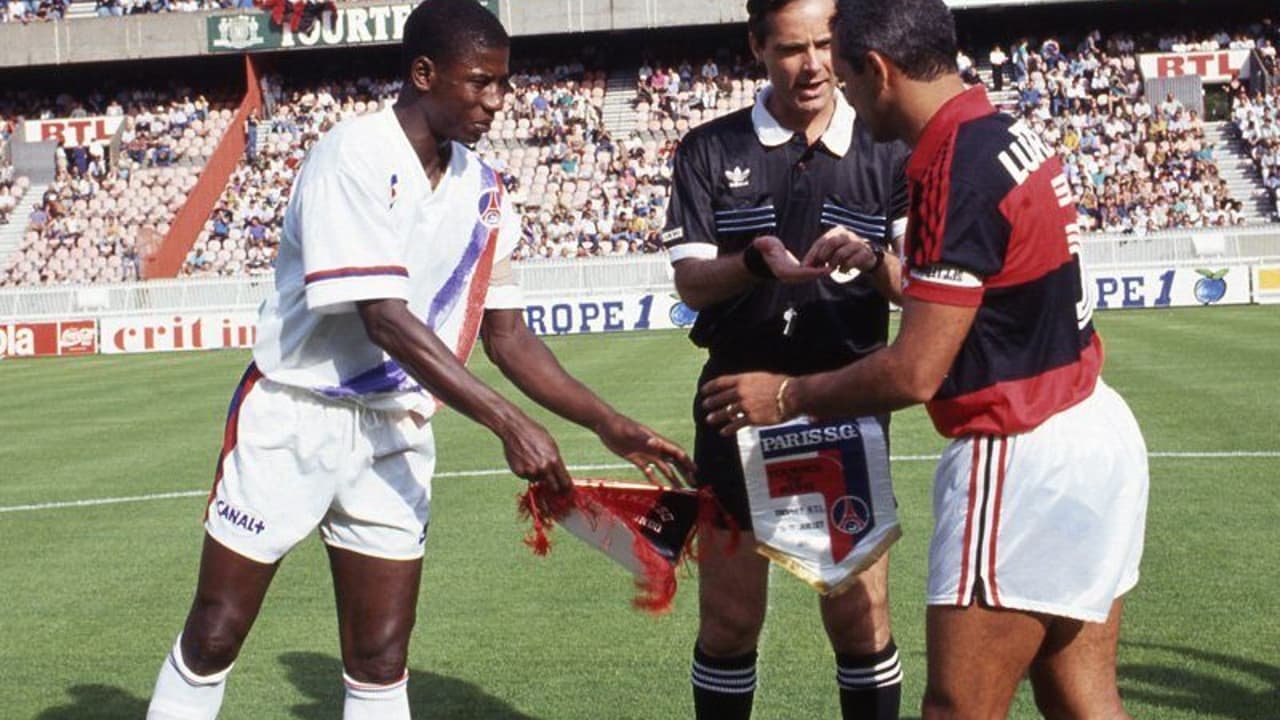
Flamengo and PSG have faced each other three times; check out their record
-
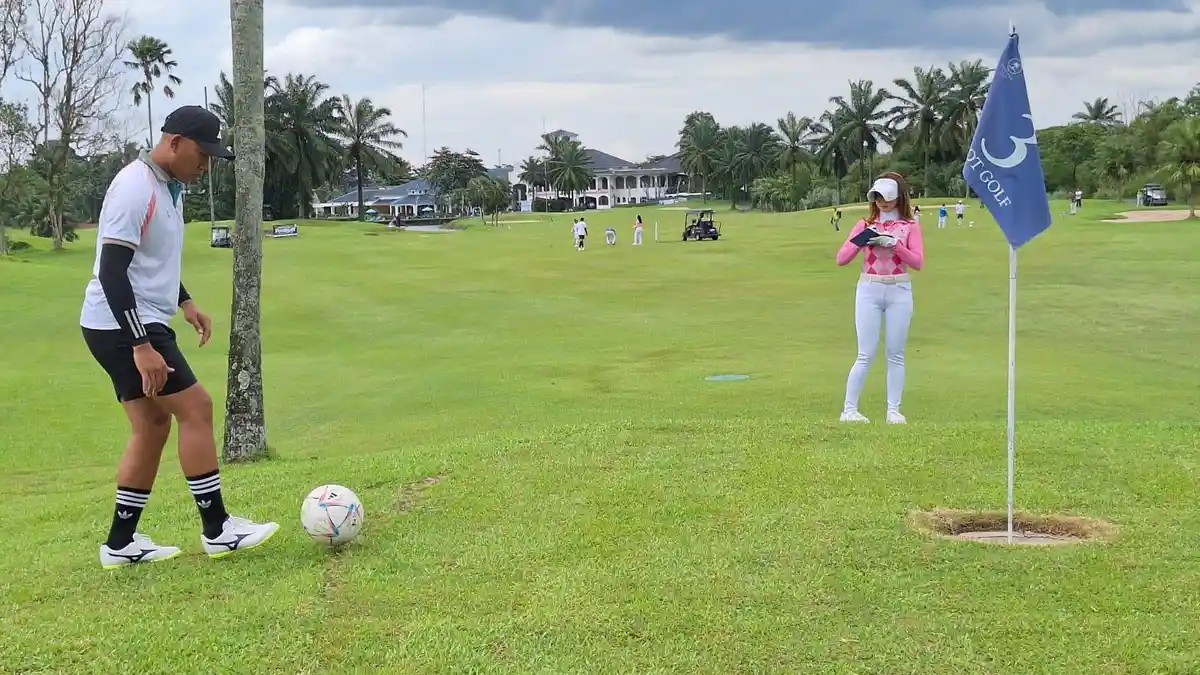
Indonesia Open Footgolf Tournament: Comedian Oki Rengga Admits Addiction, Wants to Become a Professional Athlete
-
Shameful Incident in Punjab! Landlord Rolls Tenant’s Daughter
-
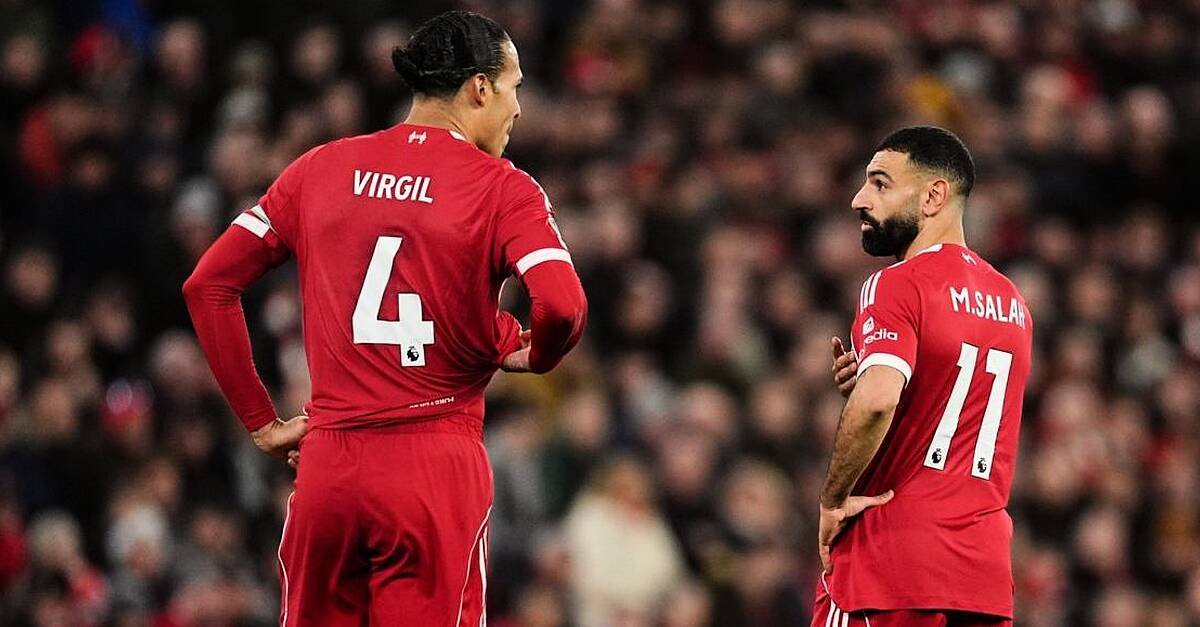
Virgil van Dijk Expresses Desire for Mohamed Salah to Stay at Liverpool
Deixe um comentário