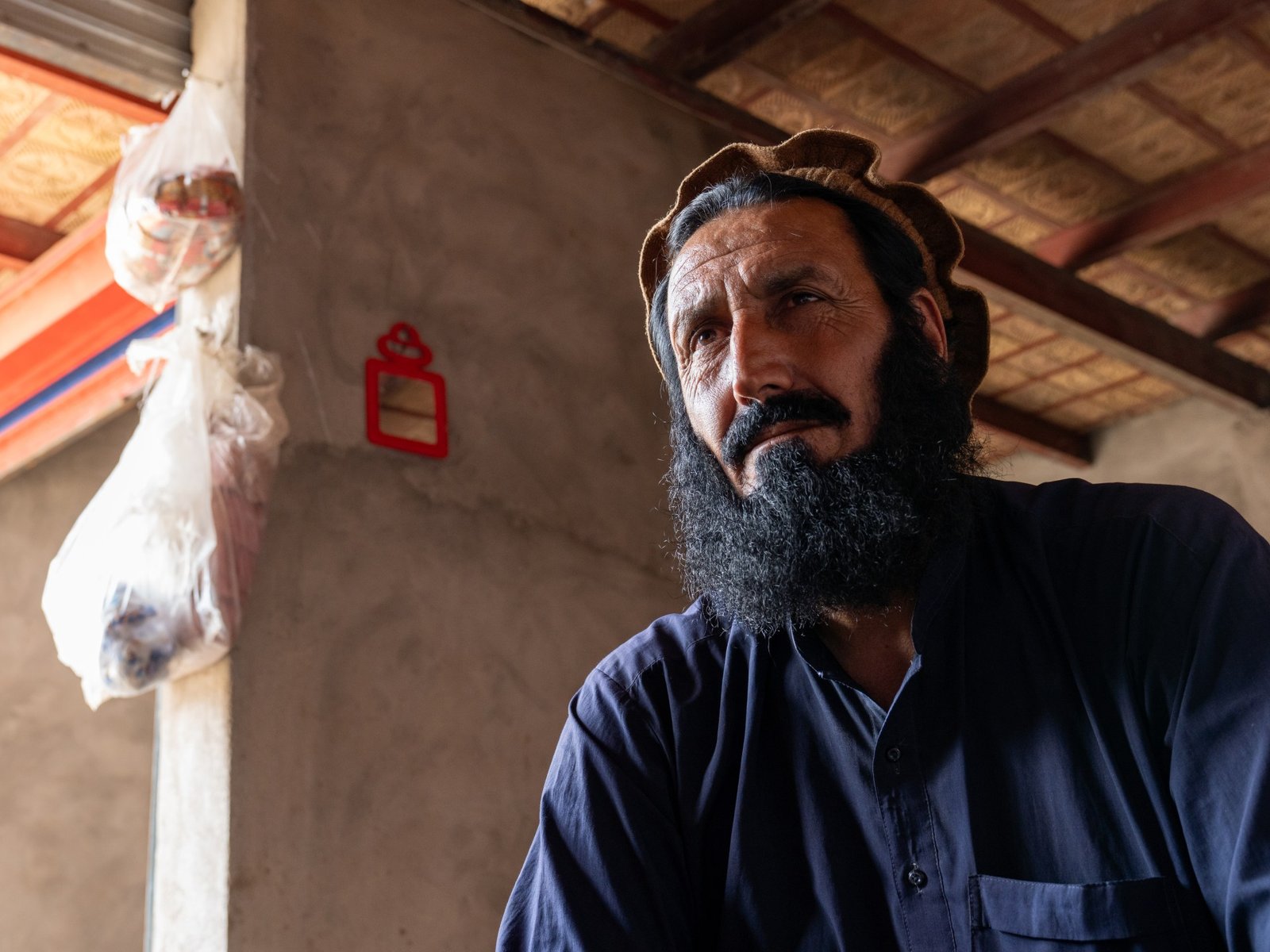
Four months ago, Nawab Din returned to his home village of Wadir in Afghanistan’s Kunar province after eight years as a refugee in Pakistan. Today, he finds himself living in a tent on his own farmland due to the recent earthquake that destroyed his home and livelihood. This situation is not unique to Nawab Din, as many Afghan returnees who were deported from Pakistan and Iran are now struggling to find shelter and rebuild their lives in the aftermath of the disaster.
The earthquake not only caused physical destruction but also psychological distress among the returnees. Many are dealing with the trauma of losing everything for the second time, first when they were deported from their host countries and now due to the natural disaster. The lack of resources and support further exacerbates their challenges, leaving them vulnerable and desperate for assistance.
In Noorgal, Kunar, where Nawab Din resides, the devastation is evident as makeshift shelters dot the landscape where homes once stood. The returnees, already facing economic hardship, now have to contend with rebuilding from scratch. With limited access to basic necessities and a lack of government aid, their prospects remain bleak as they struggle to piece their lives back together amidst the ruins.
The impact of the earthquake extends beyond just physical structures. Livelihoods have been decimated, leaving many returnees without a source of income. Agriculture, which was a major source of livelihood for these communities, has been severely affected, further deepening their economic woes. The need for immediate relief and long-term sustainable solutions is crucial to help these vulnerable populations recover and regain stability in the wake of the disaster.
As winter approaches, the situation becomes even more dire for the Afghan returnees. Harsh weather conditions combined with inadequate shelter and limited resources pose significant risks to their well-being. With the looming threat of food insecurity and lack of proper healthcare, the returnees are in urgent need of assistance to survive the harsh winter months. Organizations and governments must step up their efforts to provide essential support and aid to prevent further suffering among these vulnerable communities.
Despite the immense challenges they face, Afghan returnees like Nawab Din remain resilient and hopeful for a better future. Their determination to overcome adversity and rebuild their lives serves as a testament to their strength and perseverance. With the support of the international community and local organizations, there is hope that these returnees can eventually recover and thrive once again, even in the face of such devastating setbacks.





Deixe um comentário