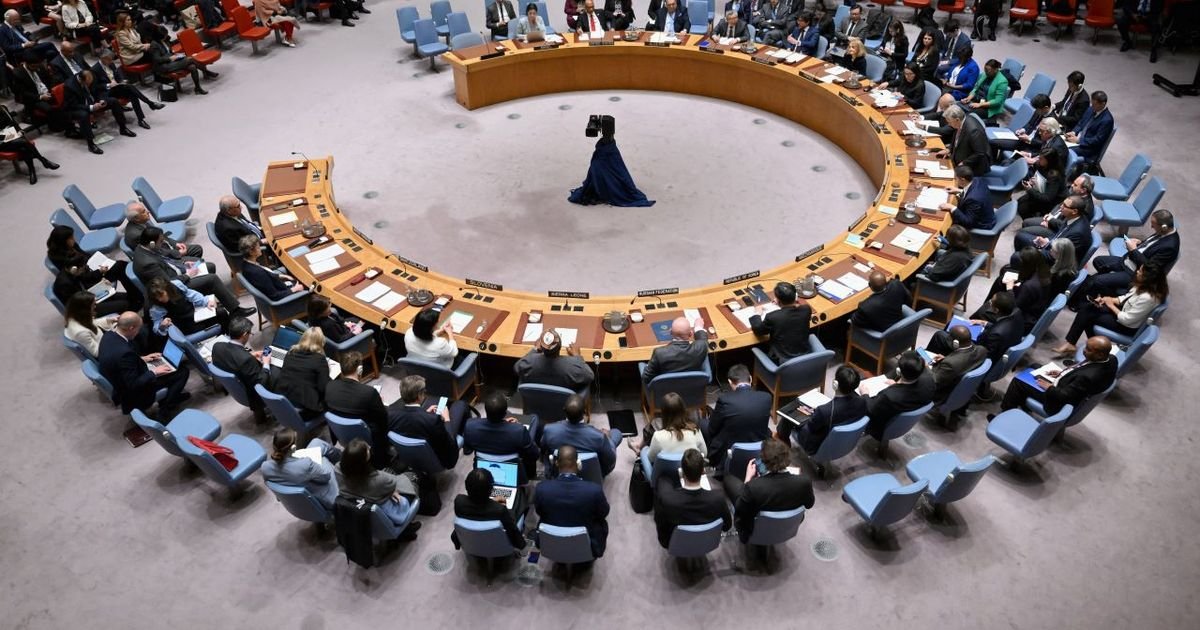
The text, which sought to delay sanctions until April 26, 2026, was not approved on Friday, September 26, after nine countries voted against it, including France, the UK, and the United States, while four voted in favor. The UK ambassador to the UN emphasized that Iran’s actions challenge the global non-proliferation regime, indicating the concerns surrounding Iran’s behavior. This decision marks a significant moment in international relations regarding Iran’s compliance with sanctions and non-proliferation agreements.
The rejection of the proposal to delay sanctions against Iran highlights the division among UN Security Council members regarding the enforcement of measures against countries that pose a threat to global security. The vote showcased a clear split between nations supporting a strict approach towards Iran, such as the UK and the US, and those advocating for a more lenient stance, like the countries that voted in favor of delaying the sanctions. The decision to reject the delay indicates a strong commitment to upholding international agreements and holding countries accountable for their actions.
The UK’s strong stance against the delay in reimposing sanctions on Iran sends a clear message about the importance of maintaining a unified front in addressing threats to global security. By aligning with other key allies like France and the US in voting against the proposal, the UK underlines its commitment to upholding international peace and security. The rejection of the delay underscores the need for collective action in dealing with countries that challenge established norms and pose risks to international stability.
The failure to approve the delay in sanctions against Iran signals a significant setback for Iran’s efforts to evade consequences for its actions that contravene international agreements. With key global powers like the UK, France, and the US standing firm in their decision to reject the delay, Iran faces increased pressure to comply with non-proliferation obligations and adhere to sanctions. The vote outcome reflects the international community’s resolve to address Iran’s behavior decisively and prevent the proliferation of nuclear weapons. The UN Security Council’s rejection of the delay serves as a warning to Iran and other nations contemplating similar actions.




Deixe um comentário