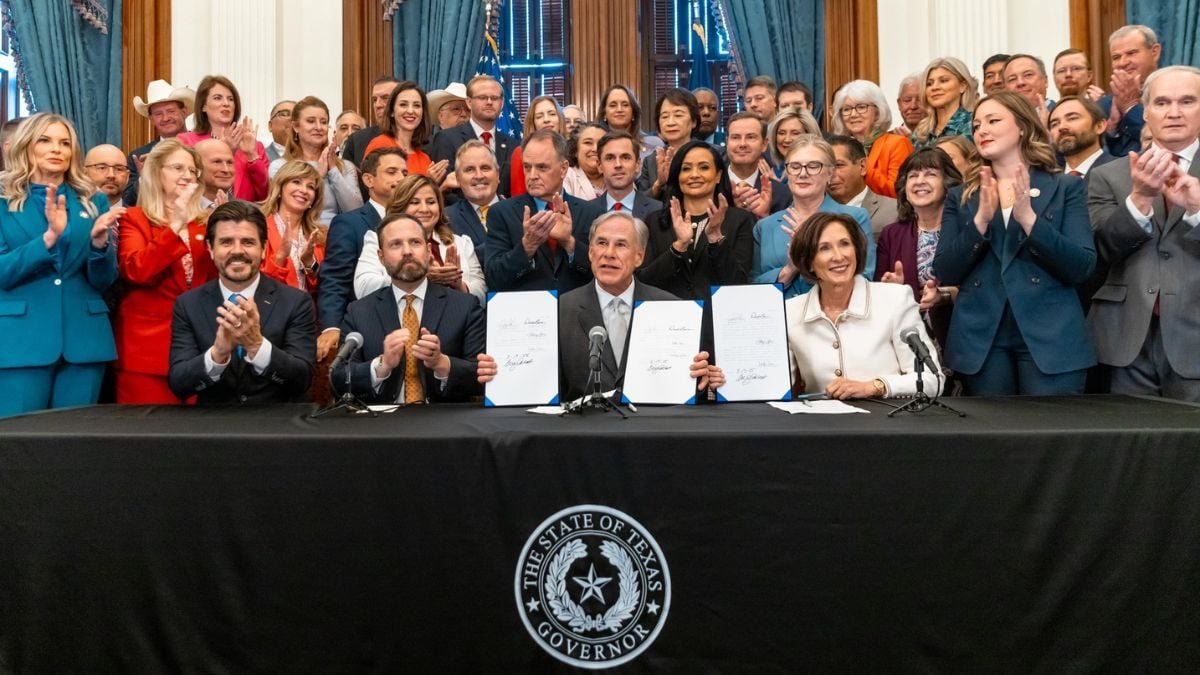
Texas is set to implement Senate Bill 17 on September 1, 2025, which will prevent individuals, organizations, and state-linked entities from China, Russia, Iran, and North Korea from acquiring residential, commercial, and agricultural land within the state’s borders. Those who violate this prohibition could face severe penalties, including fines of up to $250,000 and potential jail sentences. Currently, Texas holds the largest portion of Chinese-owned land in the United States, totaling 123,708 acres.
Supporters of the ban argue that it is essential for safeguarding national security interests, as foreign ownership of significant amounts of land could pose risks to the state’s infrastructure, resources, and potentially sensitive locations. By restricting land purchases by citizens and entities from these countries, Texas aims to protect its interests and prevent any potential threats that may arise from foreign ownership. The legislation reflects concerns about the motives and intentions of individuals and organizations from these specific nations when it comes to acquiring American land.
The decision to enact this ban was likely influenced by concerns about the impact of foreign ownership on local communities, economies, and security. By limiting land acquisitions from these countries, Texas seeks to maintain control over its territory and resources while reducing potential vulnerabilities that could arise from foreign influence. This move aligns with broader efforts to safeguard the state’s interests and ensure that critical assets remain under domestic control.
In light of increasing global tensions and geopolitical challenges, Texas’s proactive approach to restricting land ownership reflects a broader trend of countries taking measures to protect their sovereignty and national security interests. The state’s decision to target specific nations known for their geopolitical tensions and activities underscores the importance of vigilance in safeguarding vital assets and territories. The implications of this ban extend beyond economic considerations to encompass strategic security concerns and the need to protect essential resources from potential external threats.
As the implementation date approaches, stakeholders within and beyond Texas will be closely monitoring the impact and effectiveness of Senate Bill 17. The ban on land ownership by nationals from China, Russia, Iran, and North Korea represents a significant policy shift aimed at enhancing national security safeguards and protecting critical assets from potential risks. By enacting this prohibition, Texas sends a clear message about the importance of securing its borders and resources in an increasingly complex geopolitical landscape.





Deixe um comentário