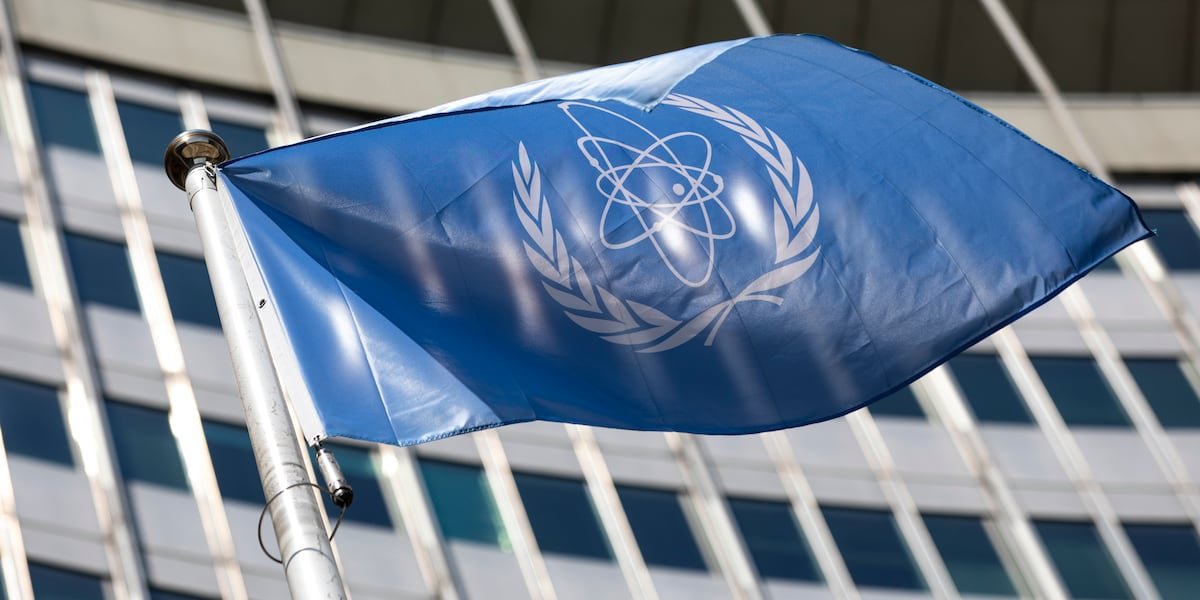
France, Britain, and Germany are closely monitoring Iran’s actions regarding its nuclear program. The three European countries have expressed concerns about Iran’s compliance with the 2015 nuclear deal and have, therefore, threatened to activate the ‘snapback mechanism.’ This mechanism would result in the reinstatement of all United Nations sanctions on Iran.
The ‘snapback mechanism’ is a provision of the 2015 nuclear deal that allows participants to reimpose sanctions through a ‘fast-track’ process if Iran violates the agreement. In this case, the trio of European countries believe that Iran has intentionally deviated from the terms of the deal and, as a result, are contemplating using this mechanism to hold Iran accountable.
Iran, on the other hand, has denied any wrongdoing and stated that its actions are in line with the nuclear agreement. The country has faced increasing scrutiny from international parties, with the United States also expressing support for the potential reimposition of sanctions. This move could have far-reaching consequences for Iran’s economy and diplomatic relations.
The threat of ‘snapback’ sanctions has raised tensions between Iran and the European signatories of the nuclear deal. While France, Britain, and Germany are still deliberating on the next steps, the possibility of triggering the mechanism looms over diplomatic discussions. Iran, in response, has warned of potential retaliation if the sanctions are reinstated, further escalating the situation.
The future of Iran’s nuclear program hangs in the balance as discussions around the ‘snapback’ sanctions continue. The potential implications of this threat extend beyond the immediate economic impact on Iran, potentially influencing regional stability and international relations. As the situation unfolds, all parties involved are carefully considering their options and the broader implications of their decisions.


Deixe um comentário