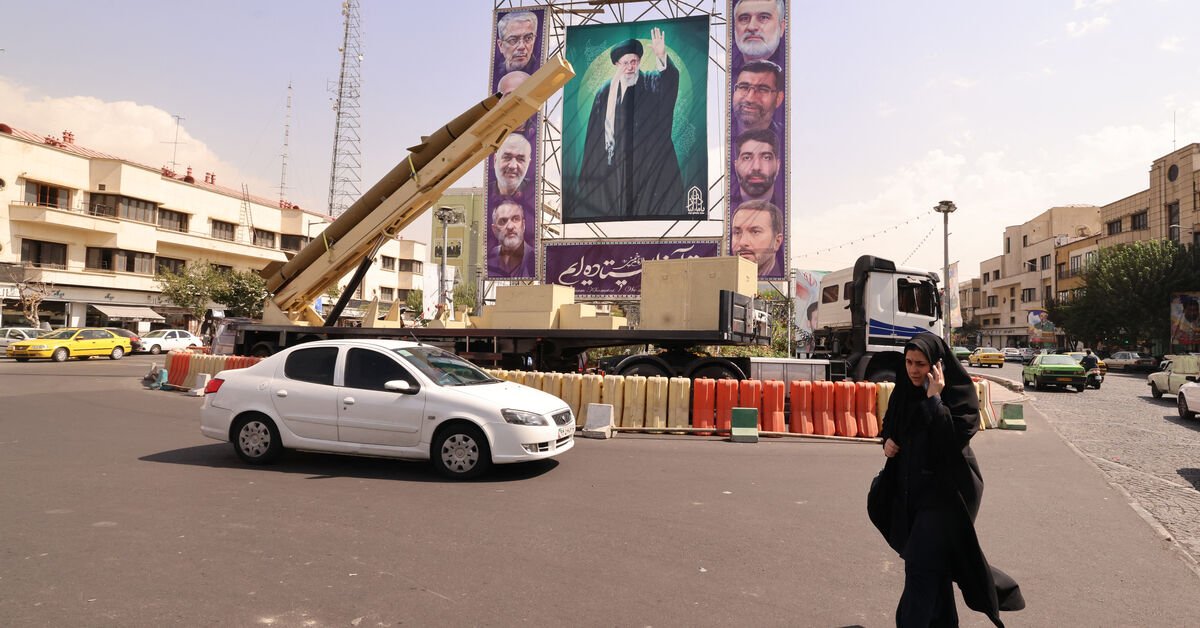
The Trump administration announced a fresh wave of economic sanctions that target 17 individuals and 21 entities supposedly linked to Iran’s nuclear enrichment and military procurement programs. This move is intended to apply additional pressure on Iran to curb the Revolutionary Guard Corps’ (IRGC) ongoing advancements in ballistic missile technology and military aircraft. However, these sanctions also carry the potential to push Iran closer towards alliances with Russia and China, complicating geopolitics further.
While unveiling the sanctions, the State Department emphasized the connection of the designated individuals and entities with Iran’s nuclear and military sectors. By imposing these measures, the United States aims to dissuade Iran from further developing its military capabilities, particularly in the realm of ballistic missiles. The targeting of these specific groups and individuals highlights the U.S. government’s determination to address Iran’s activities perceived as threats to regional and global security.
The sanctions also underscore the Trump administration’s efforts to enforce what it considers violations of the Joint Comprehensive Plan of Action (JCPOA). These measures align with the broader U.S. strategy of countering Iran’s influence and activities in the Middle East, signaling the administration’s commitment to restraining Tehran’s military ambitions. While controversial, the use of sanctions reflects a consistent approach by the U.S. in exerting economic pressure to achieve diplomatic and strategic goals in dealing with Iran.
By imposing economic restrictions on these entities, the U.S. seeks to limit Iran’s access to resources that could fuel its military programs. The sanctions are designed to disrupt the supply chain and financial support networks that facilitate Tehran’s military advancements. This approach reflects a desire to stifle Iran’s capacity to expand its military reach, which is perceived as a destabilizing factor in the region and a threat to U.S. interests.
However, the effectiveness of these sanctions in curbing Iran’s military activities remains uncertain. While the measures aim to inhibit Iran’s development of ballistic missiles and military aircraft, there is a risk that such actions could push Iran closer to Russia and China for support. This potential consequence underscores the complexity of the geopolitical dynamics at play and the challenges involved in effectively constraining Iran’s military ambitions through economic means.
As the situation evolves, the impact of these sanctions on Iran’s military technology advancements and strategic alliances will become clearer. The delicate balance between pressuring Iran to scale back its military programs and avoiding pushing the country into the orbit of other global powers poses a significant foreign policy challenge for the U.S. and its allies. Managing these dynamics effectively will be crucial in addressing Iran’s military capabilities while navigating the complex web of international relationships in the region.




Deixe um comentário