On the first day of the week, with two consecutive closures in a bullish trend, experts have pointed out the reasons behind it. The Indian rupee has been experiencing a gradual decline due to factors such as rising crude oil prices and the exit of foreign funds, resulting in a depreciation to Rs 90.15 against the dollar. Despite India’s strong overall domestic production growth and relatively low historical deficits, this devaluation of the Indian rupee against the dollar has led investors and experts into turmoil.
The aftermath of the India-United States trade agreement has caused uncertainty in the Indian stock market due to continued outflow of foreign investments. Last week, on December 4, the Indian rupee hit a record low of Rs 90.46 against the dollar, indicating a significant decline.
Before the final decision on the US Federal Reserve’s interest rate policy on December 10, there are concerns of uncertainty and market volatility among retail investors who have started selling shares, fearing the adverse effects. Even if the Federal Reserve decides to reduce interest rates, the dollar may strengthen further, putting pressure on the Indian rupee, exacerbating the selling frenzy in the Indian stock market.
Amidst ongoing negotiations of the India-US trade deal, the lack of clarity regarding timing and final terms add to the apprehension despite the direct communication on the agreement’s progress. Indian Commerce Minister S. Jaishankar’s statement to Bloomberg conveyed reassurances about the impending finalization of the trade deal. However, concerns about the benefits for traders, farmers, and small business owners remain a key focus for the government.
Following significant hikes in the Japanese market over the years, the Japanese government recently raised interest rates. This move has sparked concerns about a shift in the global economic narrative. With rising Japanese yields, the value of the yen increases, potentially strengthening the currency’s value, affecting trade dynamics.
Foreign institutional investors have been actively selling Indian stocks since July, with sales exceeding approximately Rs 1.60 lakh crore. A significant inflow of Rs 10,404 crore in Indian markets in just five trading sessions in December indicates substantial selling activity, with investors offloading stocks valued at Rs 10.404 billion.
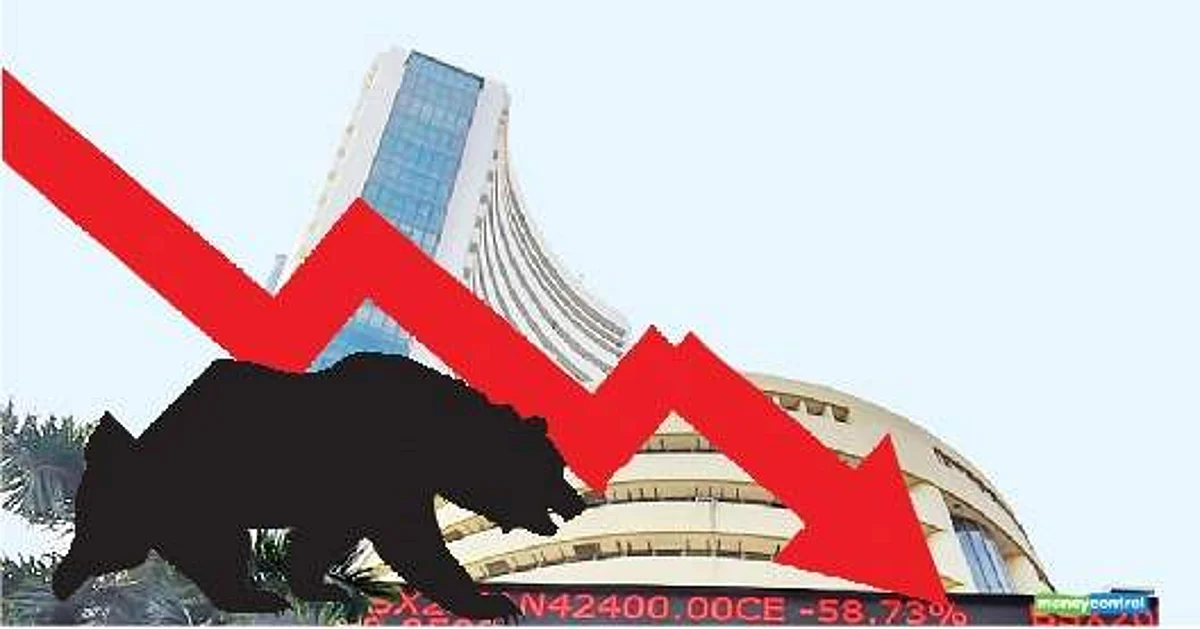
5 Important Reasons for the Fall of the Indian Stock Market!

-

Flamengo and PSG have faced each other three times; check out their record
-

Indonesia Open Footgolf Tournament: Comedian Oki Rengga Admits Addiction, Wants to Become a Professional Athlete
-

Shameful Incident in Punjab! Landlord Rolls Tenant’s Daughter
-

Virgil van Dijk Expresses Desire for Mohamed Salah to Stay at Liverpool
Deixe um comentário