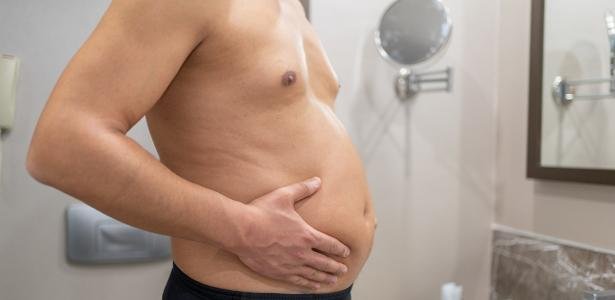
To determine if it is a problem, a tape measure already provides clues: measurements above 101.5 cm (men) or 89 cm (women) at the waist indicate abdominal excess. But only tests like bioimpedance and magnetic resonance imaging confirm the diagnosis. The good news is that it is possible to take action. Studies show that small changes in routine already significantly reduce visceral fat volume. Below, we have gathered five efficient and scientifically proven strategies to reverse the situation and protect your body from the inside.
1. Set Short and Realistic Goals
Crash diets are traps: they lead to rapid weight loss, but almost always result in the yo-yo effect. Research from the University Hospital of Tübingen in Germany shows that reducing just 5% of body weight already cuts 30% of fat accumulated in the liver – one of the organs most affected by visceral obesity. In other words, a person weighing 90 kg would need to lose 4.5 kg to already notice an improvement in health. The secret is consistency: prioritize natural foods (meat, chicken, fish, eggs, vegetables, and legumes), avoid ultra-processed foods, and gradually adjust habits.
2. Opt for HIIT Training (High Intensity Interval Training)
A study from Laval University in Canada concluded that high-intensity interval training reduces more abdominal fat than traditional weight training – and in less time. A review of studies from the Federal University of Goiás reinforces: HIIT burns up to 93% more fat per minute than moderate and continuous exercises.
3. Swap Refined for Whole Grains
Nutritionists at Tufts University in the US observed that those who consume at least three servings of whole grains a day (such as brown rice, oats, and whole wheat) have 10% less visceral fat than those who prefer refined grains. Small difference? Not really: this adjustment reduces inflammation and improves metabolism in a lasting way.
4. Include Avocado in Your Diet
Despite the calories, avocado is a powerful metabolic ally. It contains monounsaturated fats (good fats), phytosterols, and phenolic compounds that lower cholesterol, reduce inflammation, and help the body metabolize visceral fat better.
5. Consider Laser Treatments – with Medical Guidance
Researchers from the Optics Group at the Institute of Physics of São Carlos, USP, identified that the use of infrared laser on the abdomen, combined with dietary changes and exercise, reduced 90% more hepatic fat compared to those who did not use the laser. The method is still complementary, but shows potential as an adjunct in combating visceral fat – always under professional supervision.





Deixe um comentário