Research shows that 65% of women in pre-menopause, typically between the ages of 45 and 55, have had their symptoms invalidated, with family members (41%) and healthcare professionals (38%) being the main sources of dismissal. Among women aged 50 to 60, the invalidation by doctors reaches an astonishing 55%. Gynecologist Ilza Monteiro points out that this attitude from healthcare professionals is often due to a combination of lack of preparation and prejudice, highlighting an urgent need for updates in the medical community. The normalization of female suffering has been a historical issue, with women being taught to endure their pain rather than treat it, leading to potentially severe consequences for physical and mental health. Ilza Monteiro, a gynecologist, shared her personal experience, breaking the taboo around menopause: “Let’s remember the shame of admitting we were in menopause, folks. I didn’t tell anyone… So there was a shame in talking about it.”Even when women seek help, the path to understanding what is happening with their bodies is filled with obstacles. The research indicates that one in three women only suspects they are in menopause without a formal diagnosis. Delaying the confirmation of perimenopause postpones access to the most effective treatment available, a solution that, despite its proven benefits, is often not even mentioned in consultations. Furthermore, there are inequalities in access to treatment, with delays in getting appointments being the main challenge for SUS users, while women with private health insurance mention bureaucracy or lack of coverage. The lack of information about menopause and its therapeutic options is a common obstacle among groups, affecting approximately one in five women (19%). Hormone replacement therapy (HRT) is recognized by global health organizations and gynecology associations as the “gold standard” treatment for managing menopausal symptoms, with remarkable efficacy that can drastically change the experience of this phase. However, there is a significant communication gap between doctors and patients regarding HRT. Many women never even learn that this is a viable option for them. Fifty-three percent of women reported that their doctor never presented HRT as an option, and 14% said they were prescribed only one type of treatment without prior discussion of available alternatives. Concerns about weight gain (27%), fear of developing cancer (22%), and cardiovascular risk (18%) often overshadow discussions about HRT. The fear of breast cancer, in particular, is one of the major obstacles preventing women from considering HRT. Dr. Ilza Monteiro explains that the belief that HRT increases the risk of breast cancer stems from old or misinterpreted studies, such as the Women’s Health Initiative (WHI) from 2002, which involved an older population (around 70 years old) and used hormonal formulations (like conjugated estrogens) that differ from the modern and safe options available today. For most women, HRT is considered safe and highly effective. The unfounded fear often prevents patients from receiving a treatment that could significantly improve their quality of life. The lack of information extends to specific methods as well. The hormonal IUD, for instance, can be a crucial component of HRT for protecting the endometrium, but this option was only presented to 2% of patients. Additionally, although the hormonal IUD is provided for free by health plans, only 30% of women are aware of this right. The biggest obstacle to well-being during menopause is not a lack of medical options but rather a lack of clear and updated information. Menopause is a biological process, but the associated suffering does not have to be a sentence. Research shows that the pain of millions of women is amplified by misinformation, social taboos, and outdated medical practices. It is a woman’s right to know about all treatment options for menopausal symptoms. Dr. Ilza Monteiro emphasizes the importance of challenging the “normality” of suffering as the first and most crucial step toward living this phase with more health, dignity, and quality of life.
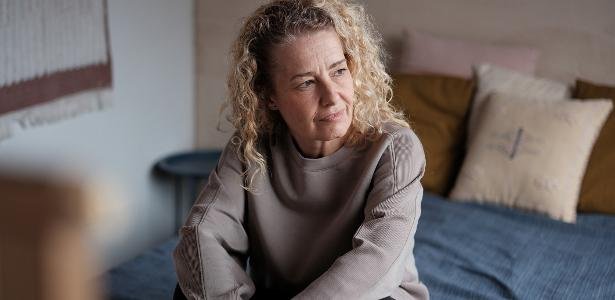
50% of Women Have Experienced Symptoms Dismissed as Exaggeration

-

Flamengo and PSG have faced each other three times; check out their record
-

Indonesia Open Footgolf Tournament: Comedian Oki Rengga Admits Addiction, Wants to Become a Professional Athlete
-

Shameful Incident in Punjab! Landlord Rolls Tenant’s Daughter
-

Virgil van Dijk Expresses Desire for Mohamed Salah to Stay at Liverpool
Deixe um comentário