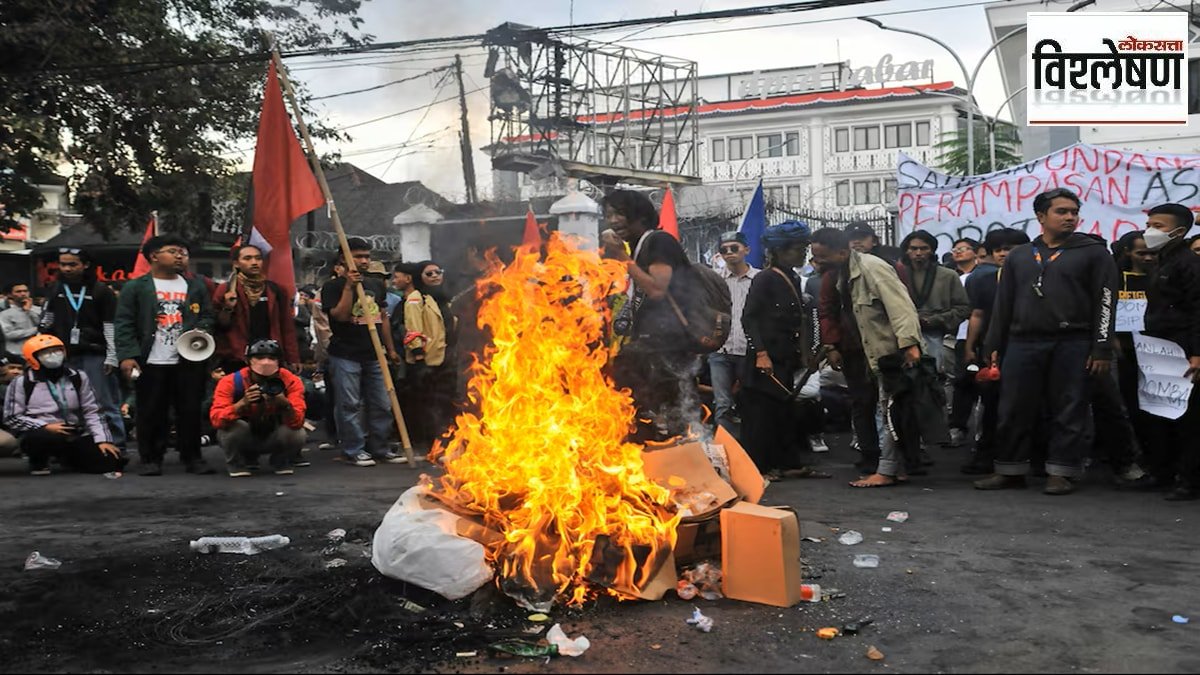
The eruption of resentment in Indonesia began when citizens discovered that lawmakers were receiving significant housing allowances, in addition to their regular salaries. The high housing rents, exceeding 10 billion Indonesian Rupiahs (around 6,150 dollars and 5.5 lakh Indian Rupees), fueled the public’s anger. The outrage led to demonstrations in the capital, Jakarta, against the members of the law enforcement commission. This revelation challenged the disparity in income between lawmakers and the average citizen, igniting widespread discontent.
The initial protests highlighted the disparity between the high housing allowances enjoyed by lawmakers and the struggles of the general population. The Civil Society Coalition for Fair Election called for a review of the lawmakers’ benefits, including housing allowances. The coalition emphasized the need for transparency and accountability regarding public funds. The eruption of public anger reflected deep-seated frustrations with the perceived privileges of lawmakers. Moreover, the protests exposed the broader issue of income inequality and social injustice within Indonesian society.
The demonstrations in Jakarta marked a turning point in the public’s perception of lawmakers’ privileges. The protests prompted a reevaluation of the housing benefits allocated to lawmakers, drawing attention to the economic challenges faced by ordinary Indonesians. The scale of the housing rents exacerbated the citizens’ frustration, leading to calls for greater oversight and regulation of lawmakers’ allowances. The eruption of public outrage underscored the disconnect between the government officials and the people they were elected to represent.
Overall, the eruption of resentment in Indonesia over lawmakers’ excessive housing allowances symbolized a deeper discontent with governance and income inequality. The protests served as a wake-up call for authorities to address the systemic issues of privilege and financial disparities within the country. Moving forward, it is crucial for Indonesian lawmakers to prioritize the welfare of their constituents and ensure fair and equitable distribution of resources to promote social cohesion and harmony.





Deixe um comentário