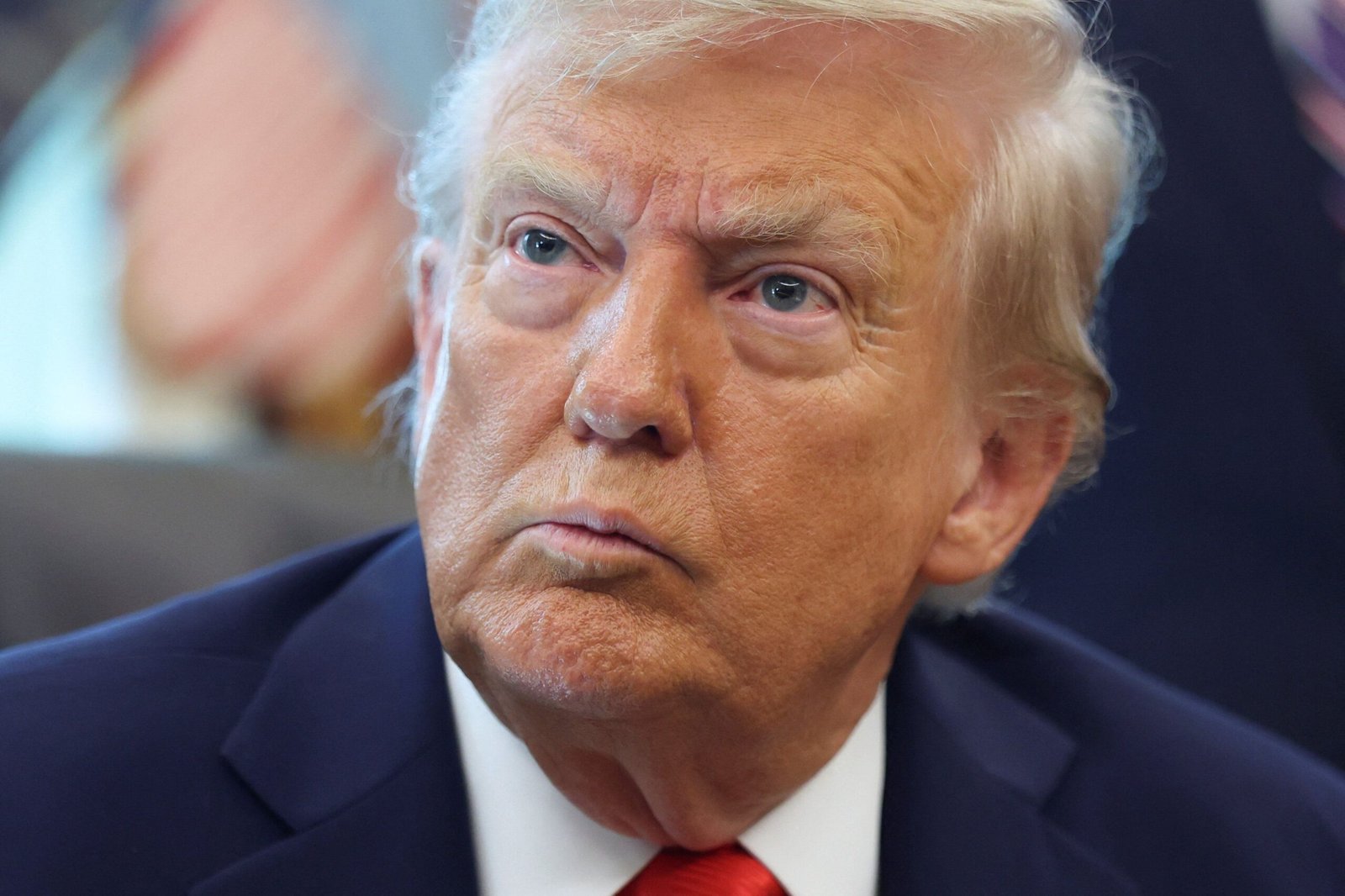
The president of the USA, Donald Trump, has intensified pressure on European leaders to suspend the purchase of Russian oil, arguing that these resources fund the conflict in Ukraine. This measure is part of a broader strategy by Washington to exert pressure on Russia and its allies by targeting their economic interests. The goal is to isolate Russia and weaken its influence on the global stage.
The decision to ramp up efforts to curtail Russian oil exports reflects the USA’s objective to assert its power and leverage over key geopolitical players. By targeting Russia’s oil industry, the USA aims to weaken one of its main sources of revenue and influence. This move is seen as a way to compel Russia to change its behavior and comply with international norms and standards.
Fernanda Magnotta highlighted the potential ripple effects of the USA’s strategy on other countries, especially members of the Brics group. Brazil, India, and China could also face economic challenges as a result of increased pressure on Russia. The interconnectedness of the global economy means that actions targeting a specific country can have far-reaching consequences.
The use of coercion as a tool of statecraft underscores the USA’s determination to assert its dominance in the international arena. By employing economic pressure tactics, the USA seeks to shape global dynamics and advance its strategic interests. However, the effectiveness and long-term consequences of such measures remain uncertain, as they may provoke retaliation or resistance from targeted nations.
In conclusion, the USA’s adoption of coercive measures against Russia signals a shift in its approach to foreign policy and international relations. By utilizing economic sanctions and pressure tactics, the USA aims to alter the behavior of adversaries and assert its dominance on the world stage. The implications of this strategy extend beyond Russia, potentially impacting a wide range of countries and alliances in the global landscape.





Deixe um comentário