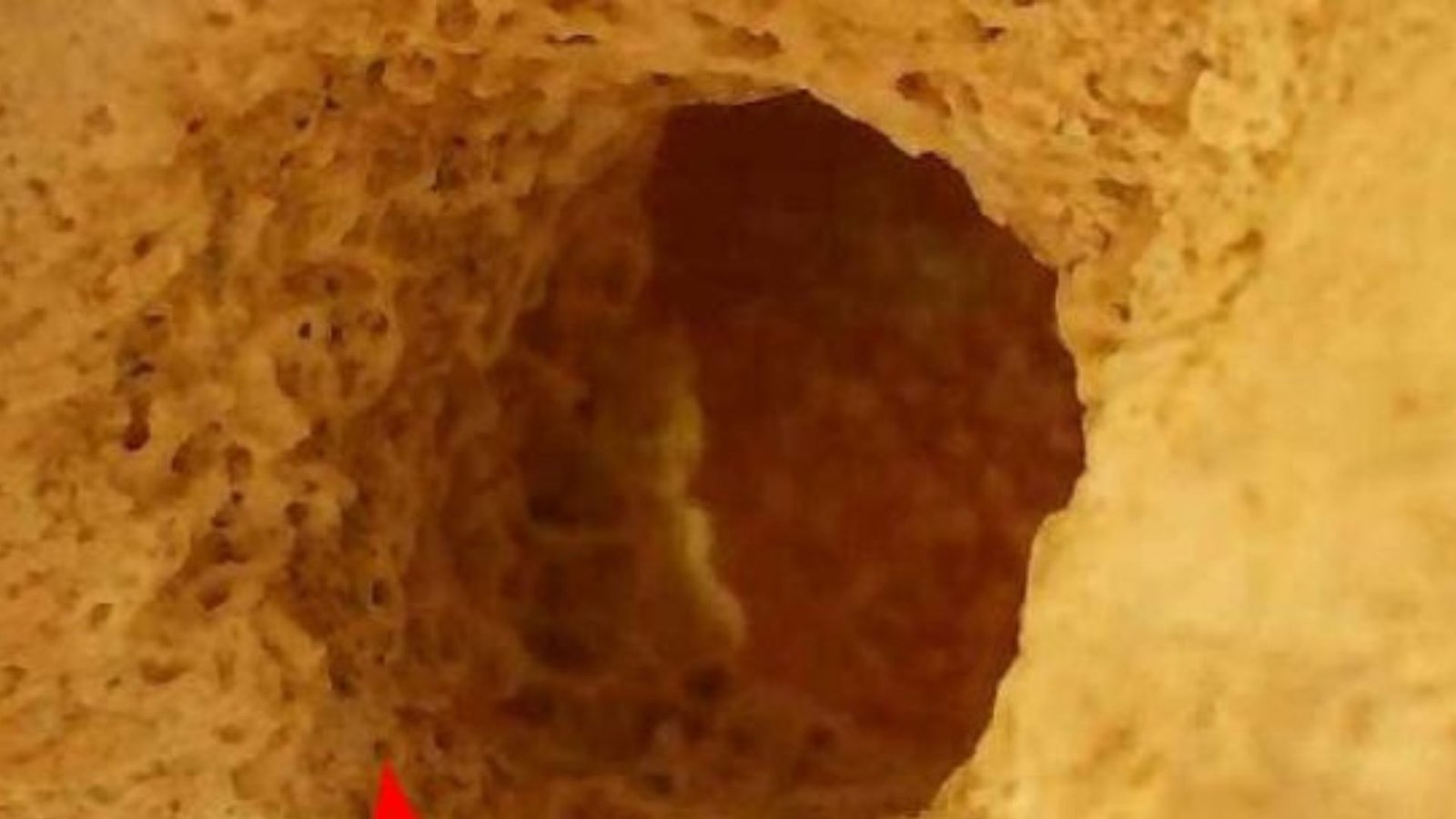
A 3,300-year-old cow bone whistle was discovered at the 18th Dynasty Egyptian city of Akhenaten, located in Middle Egypt. The small and unassuming perforated cow toe-bone, or phalanx, could have served as a tool for ancient Egyptian guards to maintain order among royal tomb workers. The whistle was likely used to signal or call for attention when needed. Its discovery sheds light on the unique methods employed by guards to deter potential grave robbers.
The guards of ancient Egypt may have used the bone whistle to prevent disturbances or unauthorized activities near tombs. The signaling device could have been a way for guards to communicate with each other discreetly, ensuring the security of the burial sites. The use of the whistle may have been a practical solution for maintaining order and preventing thefts. Its presence at the site suggests that guards were vigilant in protecting the tombs of pharaohs and other important figures.
The discovery of the bone whistle offers insights into the daily practices and challenges faced by guards in ancient Egypt. By analyzing the artifact, researchers can better understand the strategies employed to safeguard valuable tombs from potential intruders. The whistle’s simple design and functionality indicate that even seemingly ordinary objects played crucial roles in maintaining security and order within Egyptian society.
Overall, the presence of the cow bone whistle highlights the ingenuity of ancient Egyptian guards in using innovative tools to protect sacred burial grounds. The artifact provides a glimpse into the methods employed by guards to deter grave robbers and ensure the sanctity of royal tombs. Its significance lies in its contribution to our understanding of ancient Egyptian security practices and the importance placed on preserving the integrity of burial sites.





Deixe um comentário