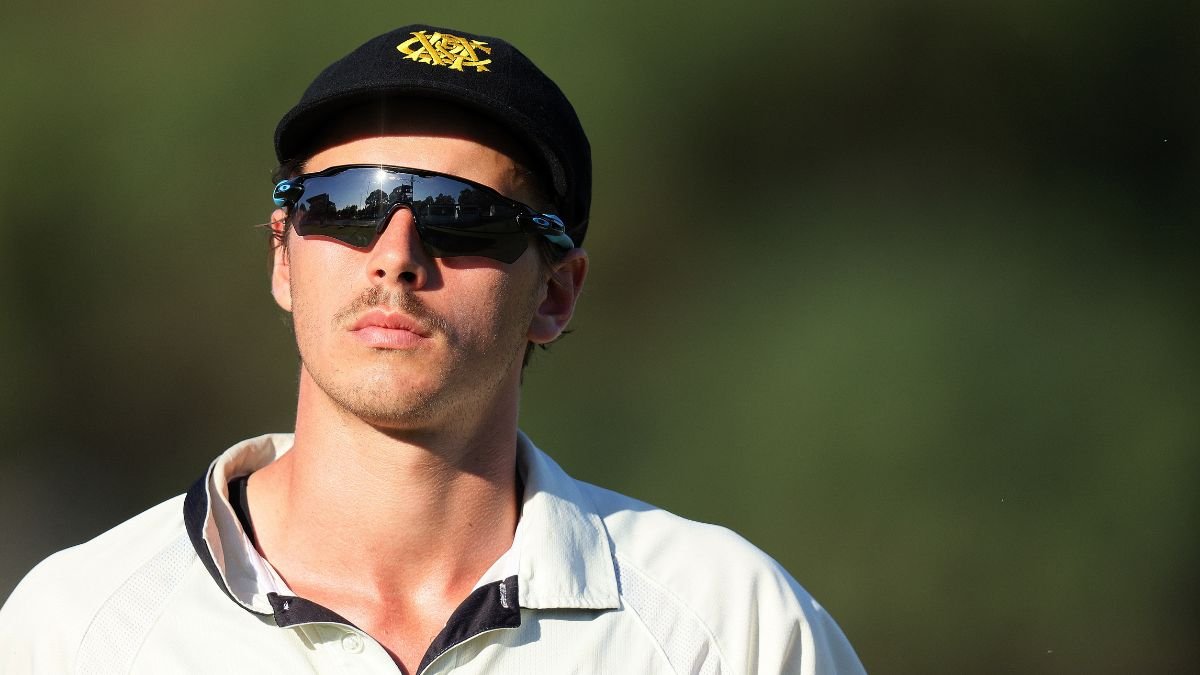
Australia has encountered a spate of injuries among its fast bowlers recently, with Ben Dwarshuis missing two out of three ODIs against South Africa due to hamstring tightness. In a further blow, another talented fast bowler will be sidelined for the next 12 months after opting for back surgery.
The challenges with Australia’s fast bowling unit have been evident throughout the ongoing ODI series against South Africa. The absence of Dwarshuis has put pressure on the team’s resources, highlighting the need for reinforcements in the pace department.
The decision to undergo back surgery indicates the seriousness of the injury, signaling a lengthy rehabilitation process for the fast bowler. This setback will require Australia to reassess their fast bowling options and potentially groom new talent to fill the void left by the sidelined player.
With the fast bowler set to miss significant action over the next year, Australia will need to regroup and fortify their bowling attack to maintain competitiveness in the international arena. The absence of key players poses a challenge for the team, but it also presents an opportunity for emerging bowlers to showcase their skills and stake a claim in the national side.
As Australia navigates the challenges of injuries and absences in its fast bowling ranks, the team management will need to adopt a strategic approach to manage resources effectively and ensure a balanced squad composition. The upcoming months will be crucial for Australia as they seek to overcome this setback and build a resilient and competitive team for future engagements.
In the midst of these setbacks, Australia’s resilience and adaptability will be tested as they strive to maintain their performance standards and cope with the absence of key players. The team’s depth will be under scrutiny as they look to find suitable replacements and maintain a strong bowling unit despite the setbacks.

Deixe um comentário