With nearly 42 million inhabitants, a city in Indonesia surpasses Tokyo, becoming the most populous in the world. An anti-practice campaign has been gaining momentum. The country, predominantly Muslim and a religion that does not consume such meat, still sees popularity of the product among some minorities. Since Monday, the sale and consumption of dog, cat, and any animals that are rabies vectors are forbidden in Jakarta. The decree signed by Governor Pramono Anung allows a six-month transition period for adaptation, a decision already causing controversy. ‘This ban should not exist,’ lamented Alfindo, 36, interviewed before the announcement. ‘God created (the dog) to be eaten. Do not focus only on the negative aspects, consider its benefits!’ Some groups believe that consuming dog meat increases platelet count in the blood, making the dish a supposed remedy against dengue, a disease transmitted by mosquitoes. Others argue the measure should not eliminate the trade, despite dog meat prices being higher than beef. ‘We cannot eliminate it overnight, as it is a tradition,’ said 43-year-old Sunggul Sagala. Approximately 9,500 street dogs were transported monthly to Jakarta for slaughter in 2022, according to recent estimates. However, there are no official figures on national dog meat consumption. Most animals slaughtered in the capital come from West Java, where rabies is endemic, according to calculations by the Dog Meat Free Indonesia (DMFI) coalition. ‘It is a concrete example and a real commitment from the Jakarta authorities, a city that promotes animal welfare,’ celebrated Merry Ferdinandez, DMFI member, after the announcement. A coalition survey conducted in 2021 found that 93% of Indonesians oppose the dog meat trade and support its elimination. Another argument for the ban is Jakarta not reporting rabies cases since 2004, being on the list of 11 provinces where the disease has been eradicated. Despite Indonesian national legislation not explicitly banning the consumption of dog or cat meat, a 2018 Ministry of Agriculture guideline states that these animals should not be categorized as food. In Semarang, where trade was banned in 2022, a truck transporting over 200 dogs for slaughter was intercepted, and five individuals were arrested. In Jakarta, increased enforcement has led traders to sell only to known and trusted customers, significantly raising prices. Restaurants that previously offered dog meat dishes now avoid mentioning them, and their owners refuse to discuss the trade. Even before the ban takes effect, ‘buying dog meat is like looking for drugs,’ Sunggul stated, referring to the product scarcity. There is still no decision on the fate of animals that will no longer be sold. According to Alfindo, if the rule is rigorously enforced, some people may start capturing stray dogs.
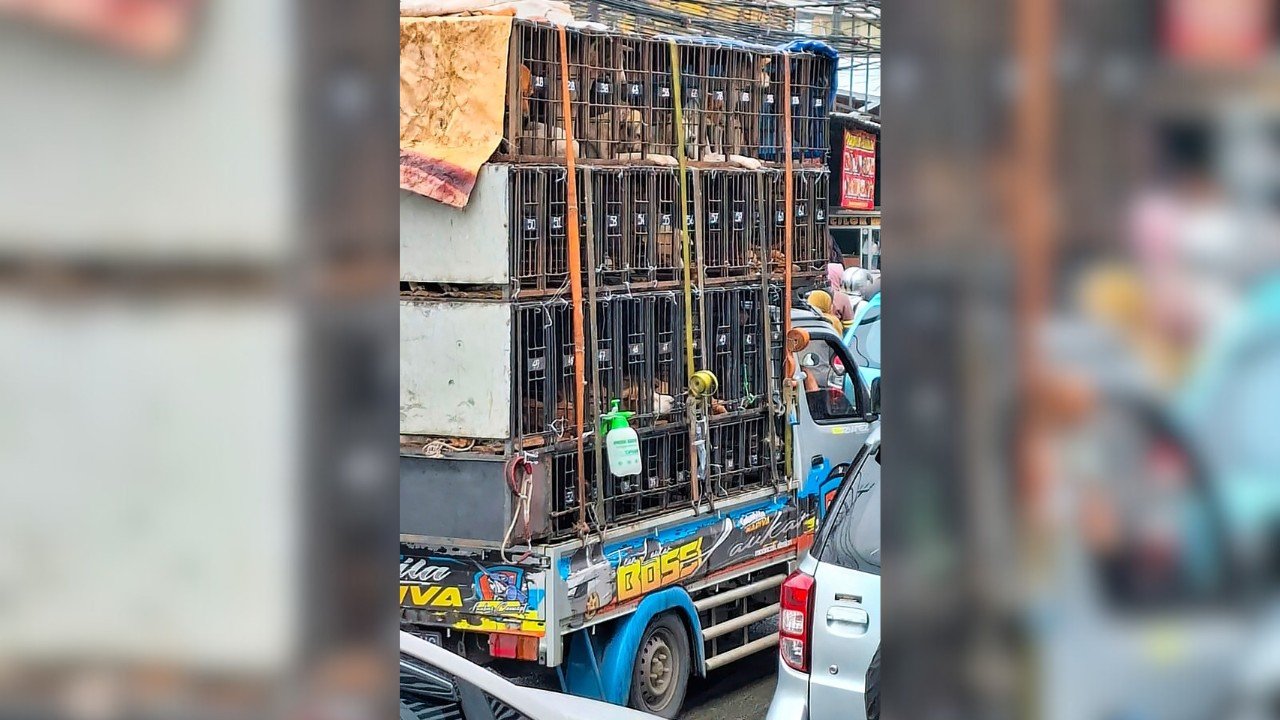
Between tradition and public health: ban on consumption of dog and cat meat sparks debate in Indonesia’s capital

-
Flamengo and PSG have faced each other three times; check out their record
-

Indonesia Open Footgolf Tournament: Comedian Oki Rengga Admits Addiction, Wants to Become a Professional Athlete
-

Shameful Incident in Punjab! Landlord Rolls Tenant’s Daughter
-

Virgil van Dijk Expresses Desire for Mohamed Salah to Stay at Liverpool
Deixe um comentário