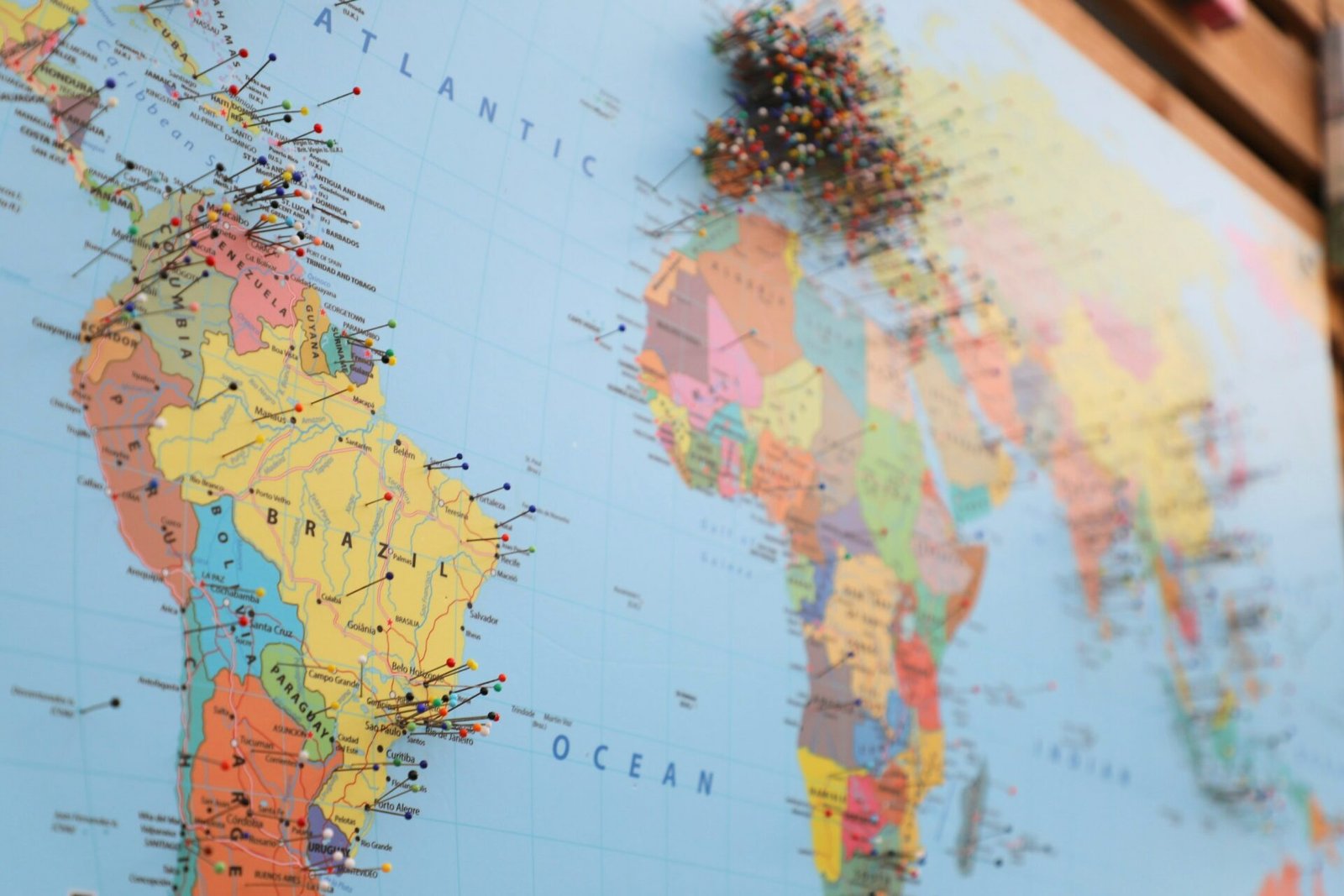
In the last 25 years, Brazil and the main global economic blocs – Mercosur, BRICS, European Union, and ASEAN – have undergone profound transformations, both in their economic structures and in their geopolitical roles. Amid financial crises and trade disputes, there has been a shift in the dynamics of these relationships, leading to a new geopolitical landscape characterized by increased convergence between Brazil and these blocs.
As Roberto Carline highlights, the interdependence between Brazil and these economic blocs has become increasingly significant in shaping the country’s economic policies, trade agreements, and diplomatic relations. The Mercosur agreement, for example, has played a crucial role in promoting trade among member countries and fostering cooperation on various fronts. Similarly, the BRICS group has emerged as a key platform for Brazil to engage with other emerging economies and strengthen its position in the global economic arena.
The changing dynamics of these relationships have had significant impacts on Brazil’s domestic economy, as well as its external trade relations. By aligning its policies with those of the economic blocs it belongs to, Brazil has been able to leverage its position and enhance its competitiveness in international markets. This convergence has not only facilitated greater trade flows and investment opportunities but has also contributed to the country’s overall economic growth and development.
Moreover, the evolving geopolitical landscape has reshaped Brazil’s role in regional and global affairs, with the country assuming a more active role in addressing key issues such as sustainable development, climate change, and economic inequality. By collaborating with other economic blocs, Brazil has been able to address common challenges and advance shared interests, further strengthening its position on the global stage.
In conclusion, the relationship between Brazil and economic blocs like Mercosur and BRICS reflects a new era of geopolitical convergence, where interdependence and cooperation play a key role in shaping economic policies and fostering sustainable development. As Brazil continues to navigate the complexities of the global economy, its partnerships with these blocs will be instrumental in driving growth, innovation, and prosperity for the country and its people.





Deixe um comentário