A less attentive observer could look at the last six Copa Libertadores finals and mistake them for Copa do Brasil decisions. If it weren’t for Boca Juniors, runner-up in 2023 against Fluminense, it might as well be. Since Palmeiras and Santos played for the title at Maracanã in 2020, amidst the covid pandemic, 11 out of 12 finalists of the continental tournament have been Brazilian. Following that clash between Sao Paulo teams in Rio, there were four more finals, with three being 100% Brazilian. The next one, on November 29, will also be: Palmeiras’ 4-0 thrashing of LDU set up a new clash against Flamengo in Lima. It’s a repeat of the 2021 final in Montevideo. Only Boca broke the bubble – but lost to Fluminense in another Maracanã decision, with John Kennedy’s historic goal in extra time. Never in the history of the continental competition had a country dominated so intensely. Not even in the era of the Argentines, who between 1964 and 1975 won ten out of the 12 titles, the hegemony was like this. Back then it was impossible for a final with clubs from the same country – Conmebol would provoke the intersection in earlier stages – and the Argentines even managed to win four editions in a row twice. The first was between 1967 and 1970 (starting with Racing, then Estudiantes’ three-peat), followed by 1972 and 1975, with Independiente’s four-peat. Brazil’s current phase has lasted six consecutive seasons with the continental title; this year’s winner will make it seven. Record surpasses Europe The Brazilian dominance has no parallel in Europe, the first continent to host a club competition with its countries. The record of 11 out of 12 finalists in six years far exceeds the ‘golden era’ of the Spaniards. Between 2013-14 and 2017-18 there were five consecutive titles – one for Barcelona and four for Real Madrid, with two all-Spanish finals. Real Madrid defeated Atletico Madrid in 2013-14 and repeated it in 2015-16. In the number of consecutive champions from a single country, Brazil has also secured a mark that surpasses the Europeans: seven consecutive titles. The most dominant era of the Champions Cup by a single country occurred between the seasons 1976-77 and 1981-82, with six consecutive titles for English clubs: three for Liverpool, two for Nottingham Forest, and one for Aston Villa. Nothing like it In other continental tournaments, there are deeds that resemble those of Brazilian teams in recent years, but nothing equals them. The Asian Champions League is the most balanced among countries: there has never been anything even close to the Brazilian hegemony. There is historically an alternation of titles between teams from Saudi Arabia, South Korea, and Japan, with occasional ‘intruders’ from the UAE, Iran, and China. At the other end is the Oceania Champions League, which is a playground for New Zealand teams. Since Australia voluntarily joined the Asian Confederation, New Zealand clubs have won 16 out of 18 titles – Auckland City is the top winner with 13 trophies. The New Zealand dominance in continental tournaments is also reflected in the four 100% finals between country clubs. However, at no point have there been five domestic finals in three years. So, with all due respect to the Oceania Confederation, the level of the tournaments is semi-amateur. The African Champions League has only one similar case: the dominance of Egyptian teams in recent years. There were five titles in the last six years (four for Al-Ahly and one for Pyramids), including two finals between teams from the country. Impressive, but even less than what the Brazilians have achieved in South America. And the Mexicans? Some say the return of Mexican clubs to the Libertadores could finally create competition for the Brazilians. The fact is, in the Concachampions – the Concacaf interclubs competition – the dominance is huge. Between 2006 and 2021, Mexican clubs won all 16 trophies at stake. The streak was only broken in 2022, when the Seattle Sounders, from the United States, defeated Pumas in the final. Still, there were never 11 Mexican finalists (and only one foreigner) in six consecutive years. The number reached ten in the same time frame. Flamengo and Palmeiras decide the Libertadores for the second time, aiming for a fourth title that would make the winner the biggest Brazilian champion of the tournament. However, even before the ball rolls, the two clubs have already built a part of the competition’s history: they have established an era in which the Libertadores has become almost a Copa do Brasil.

Brazilian dominance shatters records and is unprecedented worldwide

-
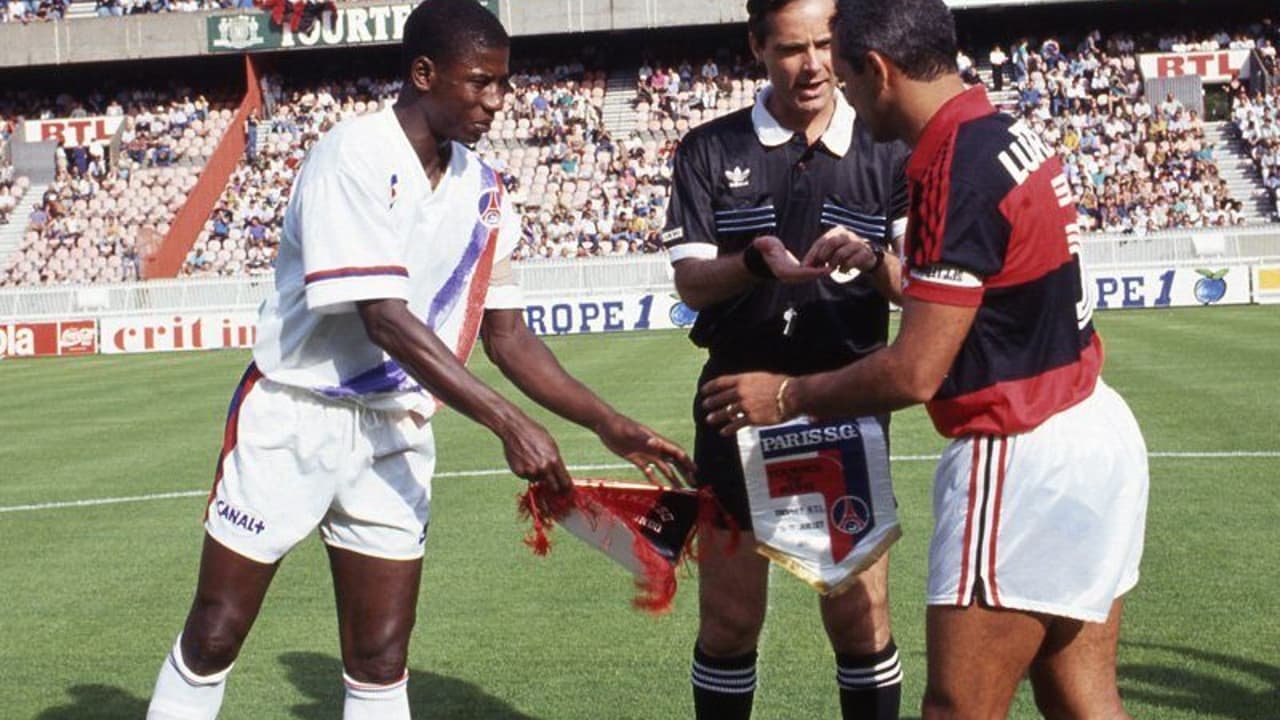
Flamengo and PSG have faced each other three times; check out their record
-

Indonesia Open Footgolf Tournament: Comedian Oki Rengga Admits Addiction, Wants to Become a Professional Athlete
-

Shameful Incident in Punjab! Landlord Rolls Tenant’s Daughter
-

Virgil van Dijk Expresses Desire for Mohamed Salah to Stay at Liverpool
Deixe um comentário