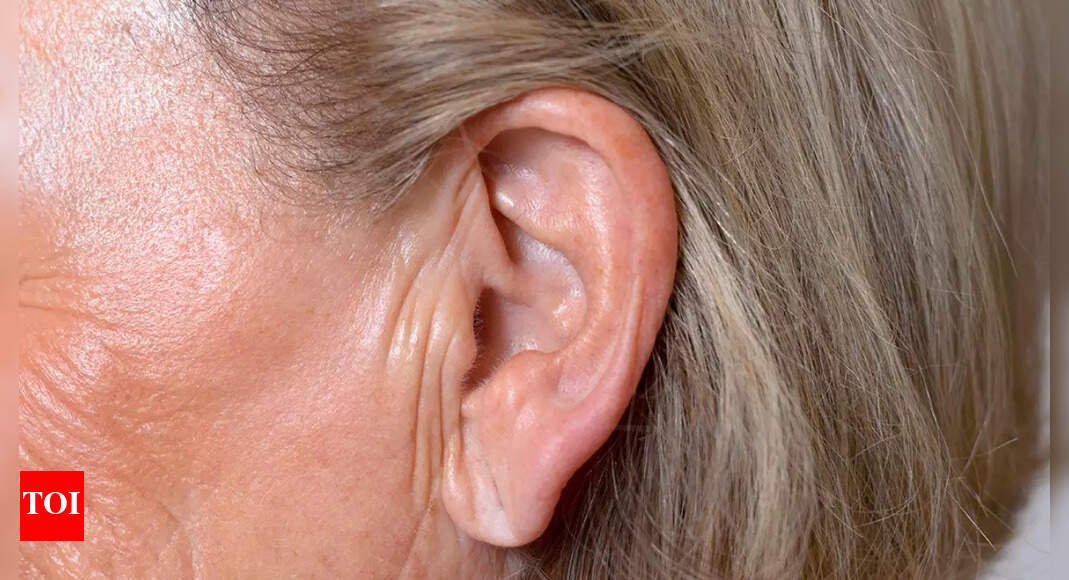
The presence of a diagonal crease across the earlobe, also known as Frank’s Sign, has triggered discussions regarding its potential link to cardiovascular problems. While studies have hinted at a minor correlation with certain heart conditions, the connection remains inconclusive. The ongoing debate questions the reliability of this physical trait as a reliable indicator of heart attack, stroke, or diabetes risk. Despite various speculations, concrete evidence supporting a definitive link between earlobe creases and cardiovascular diseases is still lacking.
Researchers have conducted multiple studies to investigate whether the earlobe crease is a true biological marker for underlying health issues. However, findings have been inconsistent, leaving the medical community divided on the significance of this characteristic. Some believe that the presence of the crease signifies an increased risk of heart problems, while others attribute it to natural aging processes. The lack of consensus underscores the complexity of identifying reliable predictors of cardiovascular health based on physical features alone.
While conjectures about the relationship between earlobe creases and heart conditions persist, it is essential to approach the topic with caution. Medical professionals emphasize the importance of considering various risk factors, such as genetics, lifestyle, and overall health, when assessing an individual’s likelihood of developing cardiovascular diseases. Relying solely on the presence of an earlobe crease to determine heart attack, stroke, or diabetes risk may lead to oversimplification and potentially inaccurate conclusions.
As the debate surrounding Frank’s Sign continues, it is crucial to maintain a balanced perspective on the matter. While some studies suggest a potential association between earlobe creases and cardiovascular issues, further research is needed to establish conclusive evidence. Individuals are advised not to rely solely on this physical trait as a predictor of future health problems but to prioritize comprehensive health assessments and preventive measures for overall well-being.
In conclusion, the debate over whether earlobe creases can predict heart attack, diabetes, and stroke risk remains unresolved. While some evidence hints at a possible connection, definitive conclusions are yet to be drawn. It is essential to approach this topic with critical thinking and rely on multiple indicators for assessing cardiovascular health accurately.





Deixe um comentário