Approved by the Chamber of Deputies on Wednesday, the bill 2,628/2022, which addresses the adultification of children on social media, gained momentum in the last two weeks after being embraced by the House’s president, Hugo Motta (Republicanos-PB). Originating from the Senate, originally proposed by Senator Alessandro Vieira (MDB-SE), the text arrived at the House in December 2024 and started to be reported by Jadyel Alencar (Republicanos-PI).
After the backlash from the influencer Felca’s video, which went viral with allegations of abusive practices involving minors, Jadyel presented a new report, imposing strict rules on social media, electronic games, and technology services.
The text establishes that platforms must by default configure the maximum level of privacy and security for minors. It also provides for services hosting adult content to use reliable age verification systems and broadens parental powers, with parental control tools set to the most protective mode. Games with ‘loot boxes’ are prohibited for children and adolescents, and companies must create channels for reporting abuse.
The report also advances on digital advertising, prohibiting the use of profiling and emotional analysis to target ads at children and teenagers. On social media, minors’ accounts must be linked to their guardians, and platforms are prohibited from creating behavioral profiles for commercial purposes.
Another point is the fight against online sexual exploitation: companies that identify abusive content must contact authorities and immediately remove the material. Major platforms with more than one million underage users must publish transparency reports every semester.
Punishments range from warnings to fines of up to R$ 50 million per offense, in addition to the possibility of temporary activity suspension. The text also requires electronics manufacturers to include warnings about digital risks on their packaging.
The project provides for the removal of content in cases of ‘exploitation and sexual abuse; physical violence; virtual systematic intimidation, in the case of bullying and harassment; induction, incitement, instigation, aid, through instructions and guidance, to practices or behaviors that lead to physical or mental harm to children and adolescents; self-harm and suicide, for example; promotion and commercialization of gambling, fixed-rate betting, tobacco products, alcoholic beverages, narcotics; predatory, unfair, or misleading advertising practices; and pornographic content.’
The opposition initially opposed the project and viewed the initiative as a form of censorship. However, PL deputies reached an agreement to amend the text, gaining the support of government opponents as well.
The amendment that enabled opposition support pertains to the functioning of a national agency responsible for regulating social media. The project report, under the responsibility of Jadyel Alencar (Republicanos-PI), was changed to make it clear that the agency will not be influenced by the Executive Power.
‘There will be criteria for applying any punishment, and the national agency will not be an authority chosen simply by the Executive but will be an agency established by law,’ said Deputy Bia Kicis (PL-DF), who took part in the agreement.
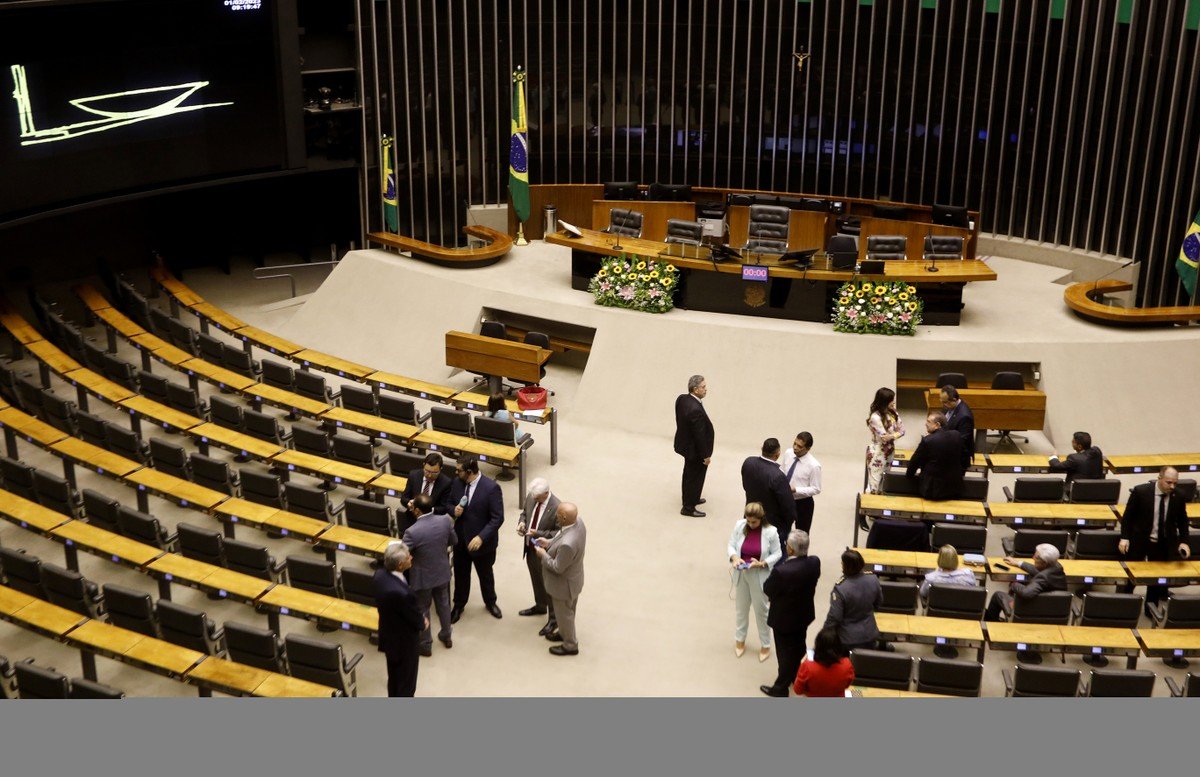
Children’s Adultification: An Overview of the Bill Approved by the Chamber

-

Flamengo and PSG have faced each other three times; check out their record
-
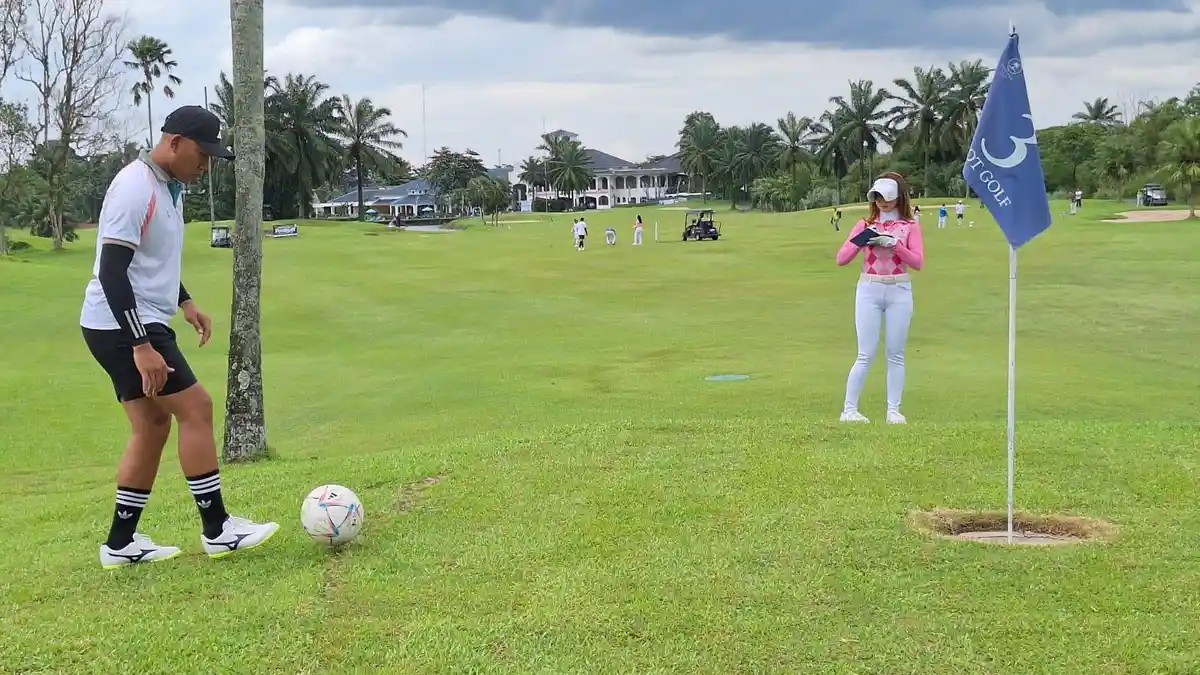
Indonesia Open Footgolf Tournament: Comedian Oki Rengga Admits Addiction, Wants to Become a Professional Athlete
-
Shameful Incident in Punjab! Landlord Rolls Tenant’s Daughter
-

Virgil van Dijk Expresses Desire for Mohamed Salah to Stay at Liverpool
Deixe um comentário