Discreet and influential, the Chinese aim to leverage the Brazilian presidency to push for an emerging economies perspective in the final decision of COP30. According to Chinese negotiators interviewed by the newspaper, a fossil fuel transition map is not acceptable to developing countries. The Chinese diplomacy states that the country will implement part of the Global Balance decision, approved two years ago at COP28: the one referring to increasing renewable energies. The country is not expected to reduce fossil fuels yet. A fossil fuel map would pressure developing countries still relying on this energy source, a negotiation leader told the newspaper.
The stance reflects the Brics’ position. The declaration acknowledges the role fossil fuels play in the global energy matrix, especially for emerging markets and developing economies, stated under the Brazilian presidency. On the other hand, China aims to introduce a ‘Platform on Unilateral Trade Restrictive Measures Related to Climate’ into the COP decision. The initiative would gather organizations like the WTO, UNCTAD, and UNFCCC, where developing countries could report climate-related trade measures harming them, seeking ways to minimize impacts. ‘They are trying to contain new sectors of emerging economies and using carbon as an excuse,’ a Chinese delegate mentioned, citing the UNFCCC’s Article 3.5.
The article emphasizes that climate change measures, including unilateral ones, should not lead to arbitrary discrimination or disguised trade restrictions. This concept has been reiterated in Brics’ statements and final declarations of the group’s summits over the past three years. Originally composed of Brazil, Russia, China, India, and South Africa, the Brics now includes eleven emerging economies. Brazil’s chief negotiator during the Brazilian presidency of Brics, Mauricio Lyrio, also leads the country’s delegation at COP30.
In the initial draft of COP30’s final decision released yesterday, Brazil emphasized the developing countries’ agenda, proposing increased public financing from developed nations for climate adaptation. The draft also addressed unilateral trade measures. The fossil fuel exit map issue was discussed in the draft with mild language, despite President Lula’s earlier call for ending fossil fuel dependency. The draft only includes two text options, none committing to a transition map. The first suggests a low-carbon solutions workshop, while the second ‘encourages’ countries to work together and hold transition debates.
However, according to Brazil’s COP30 presidency, both options are unacceptable to most countries. ‘The majority of groups we’ve spoken to confirm this is a red line for them,’ said Ana Toni, COP30’s CEO, during a press conference yesterday. Whether due to aversion to fossil fuel language or additional obligations, the options have faced resistance. Earlier on Tuesday, over twenty ministers from developed and developing countries expressed support for a fossil fuel exit map, joining efforts by France, Brazil, and Kenya. The coalition, with more than 80 countries in favor of a transition path, highlighted the draft’s inadequacy. ‘Brazil wanted countries to speak up, so we’re here supporting,’ stated the UK’s climate envoy, Rachel Kyte. The current draft, with weak proposals, is deemed unacceptable by the group.
Nevertheless, COP30’s CEO mentioned a lack of requests for stronger commitments to the fossil fuel map. ‘It hasn’t come up in discussions with the groups we’ve spoken to,’ she stated in a press conference. The Brazilian Foreign Ministry prefers to steer clear of the issue to avoid clashes with developing countries.
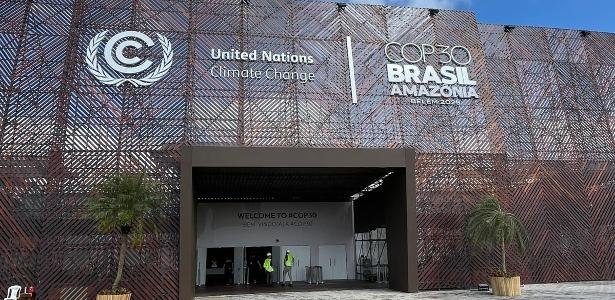
China Slows Down Fossil Fuel Map and Calls for Brics Approach at COP

-
Flamengo and PSG have faced each other three times; check out their record
-
Indonesia Open Footgolf Tournament: Comedian Oki Rengga Admits Addiction, Wants to Become a Professional Athlete
-
Shameful Incident in Punjab! Landlord Rolls Tenant’s Daughter
-
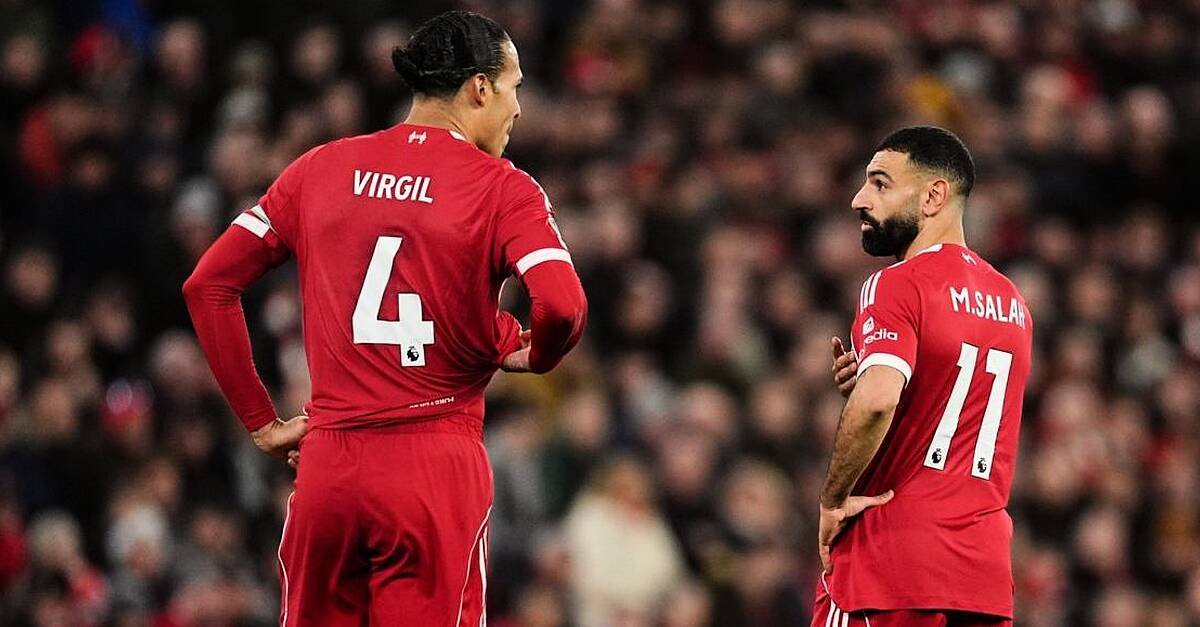
Virgil van Dijk Expresses Desire for Mohamed Salah to Stay at Liverpool
Deixe um comentário