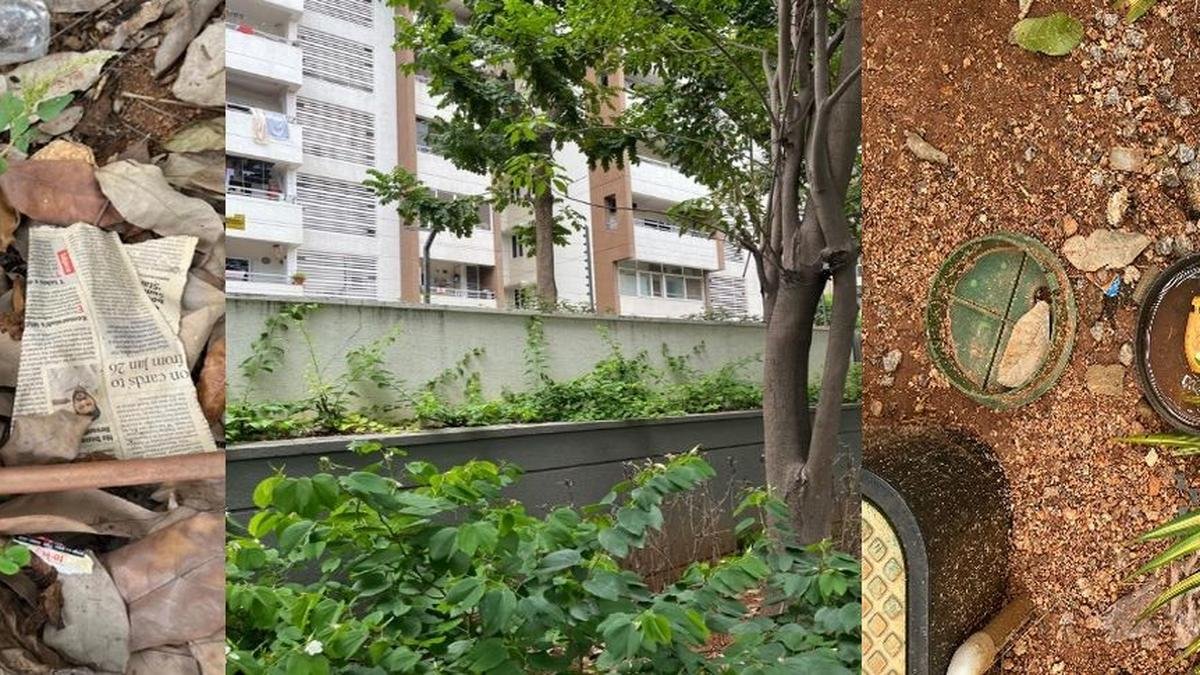
Aedes-borne viral diseases (ABVD) such as dengue, Zika, and chikungunya pose a significant threat to India’s productivity. Despite this, local governments and communities often rely on outdoor fumigation as their primary method of mosquito control. However, evidence has shown that this approach is ineffective and fails to adequately address the root cause of the issue.
To combat ABVD effectively, it is essential to implement revised strategies that focus on more targeted and sustainable solutions. One key aspect is the use of effective repellents to protect individuals from mosquito bites. By encouraging the widespread use of quality repellent products, especially during peak mosquito activity periods, communities can significantly reduce the risk of contracting mosquito-borne diseases.
In addition to individual protection, community action plays a crucial role in preventing the spread of Aedes mosquitoes. Collective efforts such as removing standing water, where mosquitoes breed, and implementing community clean-up campaigns can help reduce mosquito populations and minimize the risk of disease transmission. By fostering a sense of shared responsibility, communities can create a more resilient defense against ABVD.
Innovative mosquito control methods also hold promise in the fight against Aedes-borne diseases. Technologies such as larval control agents, genetic modification of mosquitoes, and biological control mechanisms offer alternative approaches to traditional fumigation. By investing in research and development of these innovative solutions, India can stay ahead of evolving mosquito populations and effectively manage disease outbreaks.
Furthermore, it is crucial to enhance public awareness and education on the risks associated with Aedes mosquitoes. By providing accurate and timely information on prevention methods and disease symptoms, individuals can take proactive measures to protect themselves and their communities. Empowering the public with knowledge is key to fostering a culture of prevention and reducing the impact of ABVD.
Overall, the urgent need for revised strategies against Aedes mosquitoes in India cannot be overstated. By shifting focus towards effective repellents, community action, and innovative mosquito control methods, the country can strengthen its defense against mosquito-borne diseases and safeguard public health.





Deixe um comentário