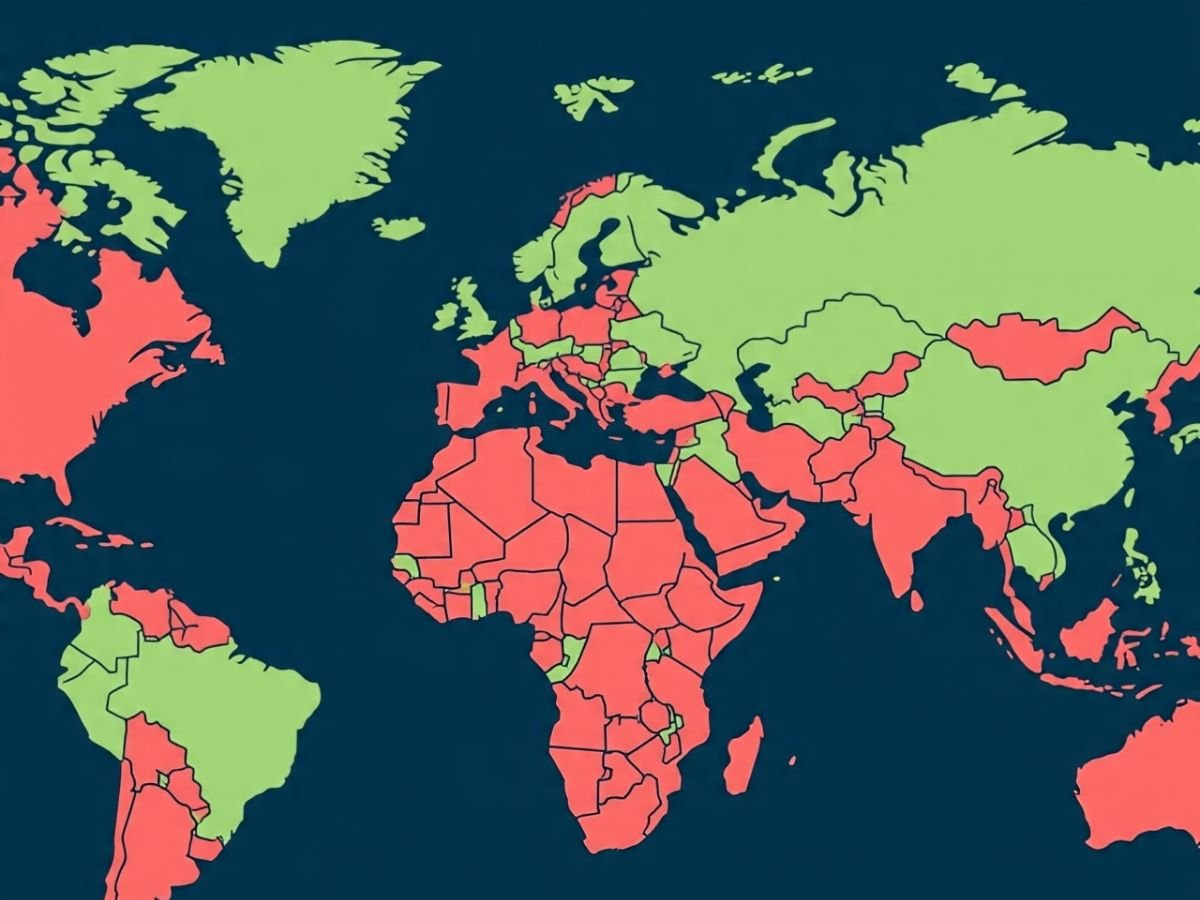
Climate Change and Its Urban Impact in 2025
As the climate crisis intensifies in 2025, cities around the world face increasing risks of extreme weather events like floods, droughts, and rising temperatures. Rapid urbanization combined with aging infrastructure and socioeconomic inequalities pose complex challenges for vulnerable cities in South Asia, Africa, and Europe. Marginalized urban groups are disproportionately affected by the impacts of climate change, highlighting the urgent need for proactive adaptation and resilience planning to mitigate threats and protect city residents.
The Role of Urban Climate Adaptation and Resilience Planning
In 2025, cities at risk of climate change must prioritize proactive adaptation and resilience planning to address escalating challenges such as sea-level rise, heatwaves, and water scarcity. By investing in sustainable infrastructure, green spaces, and social equity measures, cities can enhance their resilience to extreme weather events and protect the most vulnerable populations. Collaborative efforts between policymakers, urban planners, and local communities are essential to develop comprehensive strategies that prioritize climate adaptation and resilience in the face of escalating climate risks.
Impacts of Climate Change on Vulnerable Urban Groups
In 2025, marginalized urban groups in vulnerable cities across South Asia, Africa, and Europe bear the brunt of climate change impacts such as floods, droughts, and food insecurity. Socioeconomic inequalities exacerbate the vulnerability of these populations, requiring targeted adaptation and resilience measures to safeguard their well-being. By prioritizing social equity, community engagement, and inclusive decision-making processes, cities can ensure that marginalized urban groups are not left behind in the face of escalating climate risks.
Safeguarding City Residents Through Climate Adaptation
As cities navigate the complex challenges of climate change in 2025, proactive adaptation and resilience planning are essential to safeguard city residents from the impacts of extreme weather events. By implementing nature-based solutions, green infrastructure, and climate-smart policies, cities can enhance their resilience and protect the lives and livelihoods of billions of urban residents globally. Building climate-resilient cities requires a collaborative, multi-stakeholder approach that prioritizes sustainability, inclusivity, and innovation in urban planning and development.
The Importance of Global Collaboration in Climate Resilience
In 2025, the urgency of climate change calls for global collaboration and solidarity to address the escalating risks faced by cities worldwide. By sharing best practices, knowledge, and resources, cities can enhance their resilience to climate change and build a sustainable future for all. International cooperation, policy alignment, and funding mechanisms are essential to support cities in their efforts to adapt to the impacts of climate change and create thriving, resilient urban environments.
Conclusion
In conclusion, the year 2025 presents unprecedented challenges for cities at risk of climate change, requiring proactive adaptation and resilience planning to safeguard city residents from escalating risks. By prioritizing inclusive, sustainable, and collaborative approaches to urban climate resilience, cities can mitigate the impacts of extreme weather events and create a more sustainable future for all. The time to act is now to ensure the well-being and safety of billions of city residents globally.





Deixe um comentário