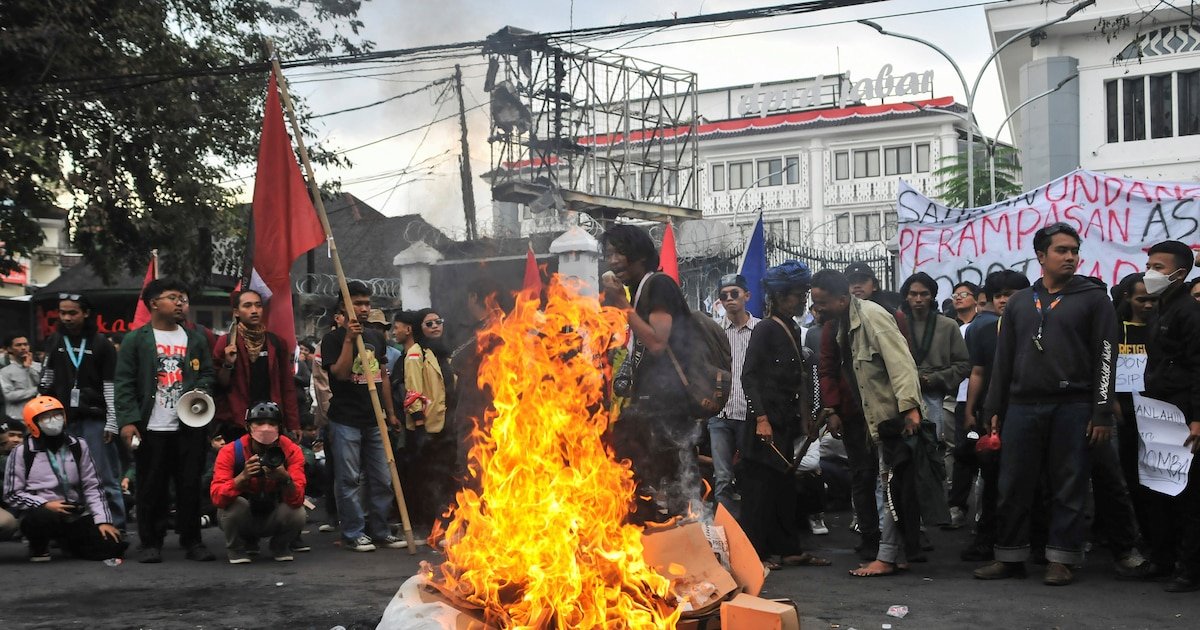
At least 20 people remain missing and six have died in Indonesia as a result of the protests sweeping the country since a violent crackdown on demonstrations against legislators’ privileges. Reuters reported that over a thousand individuals have been detained, and there are multiple reports of human rights violations in various cities across the nation. The crackdown has sparked outrage and raised concerns about the increasing suppression of dissent in Indonesia.
The protests erupted after the controversial passage of a bill that weakens the country’s anti-corruption agency, raising suspicions of lawmakers protecting their own interests. As the demonstrations intensified, security forces used tear gas and water cannons to disperse the crowds, leading to clashes and casualties. The situation quickly escalated, with reports of arbitrary arrests, police brutality, and disappearances of protesters.
The death toll continues to rise as families search for their missing loved ones, with many fearing the worst. Human rights organizations have condemned the excessive use of force by authorities and called for an independent investigation into the crackdown. The Indonesian government faces mounting pressure to address the grievances of the protesters and ensure accountability for the violence that has unfolded.
Amid the escalating crisis, concerns have been raised about the erosion of democratic values in Indonesia and the shrinking space for freedom of expression. The crackdown on dissenting voices highlights the challenges faced by civil society and the media in holding those in power accountable. International observers have called for a transparent and impartial inquiry into the violence, urging the government to uphold human rights and respect the rule of law.
The aftermath of the protests has left scars on the Indonesian society, with communities mourning the loss of lives and demanding justice for the victims. The calls for accountability and reform have intensified, with growing calls for transparency and accountability in the management of public affairs. The crisis has exposed deep-seated issues of governance and accountability, requiring comprehensive reforms to address the root causes of the unrest and prevent future tragedies.
As Indonesia grapples with the aftermath of the violent crackdown, the international community closely monitors the situation and urges the government to uphold human rights and protect the democratic rights of its citizens. The tragic events have cast a shadow over the country’s political landscape and raised concerns about the future of democracy in Indonesia. The road to recovery and reconciliation will be long and challenging, but it is essential for healing the wounds inflicted by the recent crisis.





Deixe um comentário