A group of scientists has successfully sequenced the genome of an ancient Egyptian man who was laid to rest approximately 4,500 years ago. This groundbreaking study provides a rare glimpse into the genetic heritage of early Egyptians, offering fascinating insights into their origins and connections to ancient North Africa and Mesopotamia. These regions encompass present-day Iraq, Syria, Turkey, and Iran. The findings shed light on the complex genetic history of the ancient Egyptians, revealing a diverse ancestry that includes influences from various civilizations.
The genetic analysis of the ancient Egyptian’s remains opens up new possibilities for understanding the migrations and interactions of populations in the ancient world. By decoding the genetic data from this individual, researchers have uncovered valuable information about the early inhabitants of Egypt and their connections to neighboring regions. The study highlights the intricate genetic tapestry of ancient populations, showing how they were shaped by diverse cultural and population exchanges across different regions. The results provide a deeper understanding of the genetic diversity and ancestral roots of early Egyptians, painting a more detailed picture of their complex network of relationships.
The study’s findings represent a significant advancement in our knowledge of the genetic history of ancient Egyptians, shedding light on the population dynamics and genetic interactions that shaped this ancient civilization. The analysis of the ancient Egyptian’s genome offers crucial insights into the genetic composition of early Egyptians and their connections to neighboring regions. By unraveling the genetic code of this individual, scientists have uncovered a wealth of information about the genetic diversity and ancestral origins of ancient Egyptian populations.
This pioneering research marks a crucial milestone in the study of ancient Egyptian genetics, providing a key piece of the puzzle in understanding the complex ancestry and genetic legacy of early Egyptians. By decoding the oldest genetic data from an Egyptian buried 4,500 years ago, scientists have made significant strides in unraveling the genetic history of this ancient civilization. The study’s findings deepen our understanding of the diverse genetic influences that shaped ancient Egyptian populations, highlighting the intricate web of genetic connections that linked them to neighboring regions.
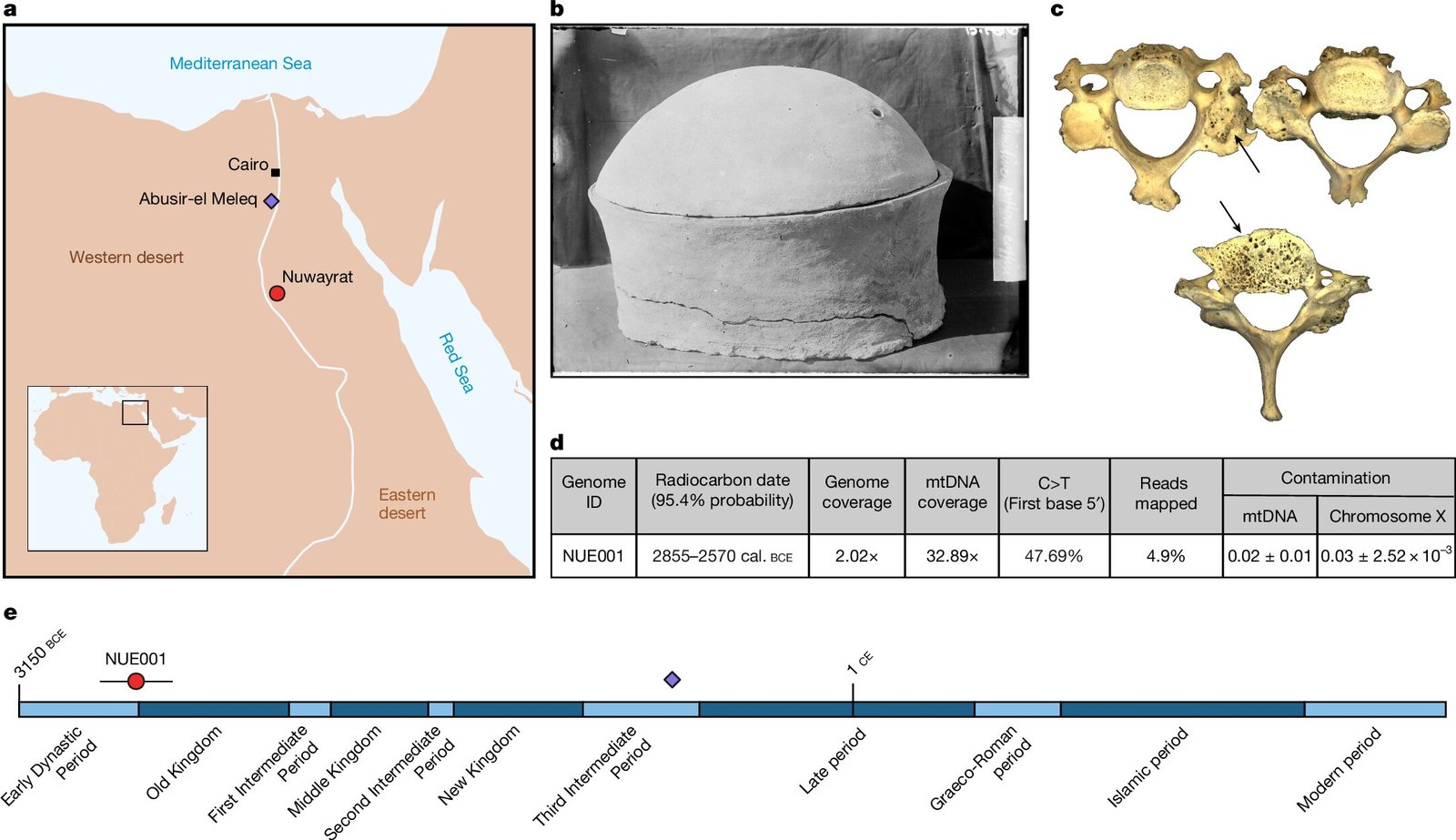
Decoding the Oldest Genetic Data from an Egyptian Man Buried 4,500 Years Ago

-

Flamengo and PSG have faced each other three times; check out their record
-

Indonesia Open Footgolf Tournament: Comedian Oki Rengga Admits Addiction, Wants to Become a Professional Athlete
-

Shameful Incident in Punjab! Landlord Rolls Tenant’s Daughter
-

Virgil van Dijk Expresses Desire for Mohamed Salah to Stay at Liverpool
Deixe um comentário