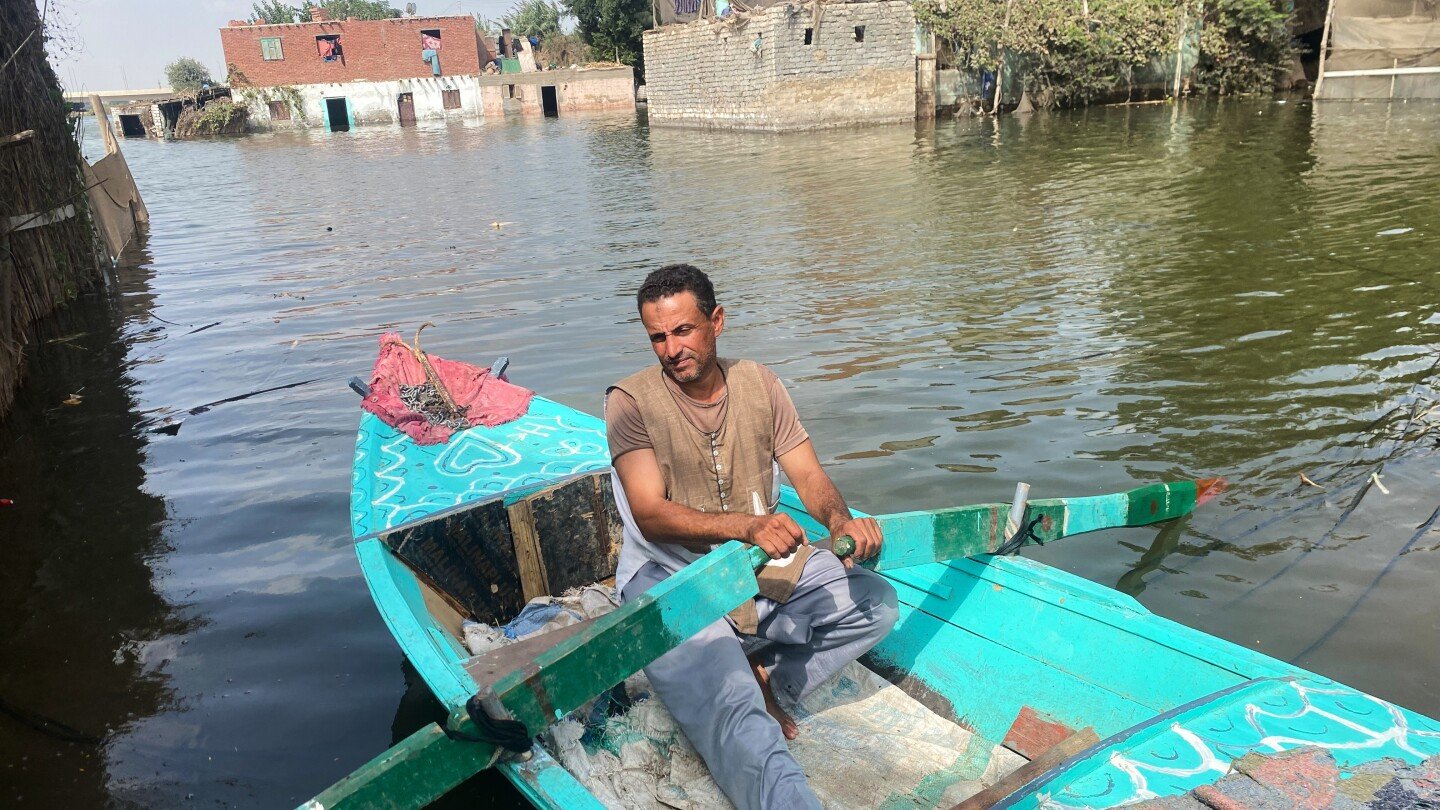
Egypt has pointed fingers at neighboring Ethiopia for the recent rising waters of the Nile River, which led to flooding in two of Egypt’s northernmost provinces. The Egyptian authorities claim that the abnormally high water levels are a direct result of Ethiopia’s poor management of its controversial dam on the Blue Nile. The escalating tensions between the two countries have intensified as Egypt continues to blame Ethiopia for the flooding crisis.
According to sources, Egypt’s accusations stem from concerns over the impact of Ethiopia’s new dam on the Nile River’s water flow downstream. The rising waters have caused significant flooding in several areas, prompting Egypt to hold Ethiopia responsible for the environmental and economic consequences. The ongoing dispute between the two countries highlights the complex dynamics surrounding the utilization of the Nile’s waters and the potential repercussions of large-scale infrastructure projects.
The escalating situation has raised alarm bells across the region, with Egypt expressing frustration over Ethiopia’s reluctance to address the issues surrounding the dam’s operation. The lack of cooperation between the two countries has exacerbated the flooding crisis, leading to growing tensions and uncertainties regarding the Nile’s future. Ethiopia’s management of the dam remains a contentious issue, further complicating efforts to find a sustainable resolution.
In response to Egypt’s allegations, Ethiopia has defended its management of the dam, emphasizing its commitment to cooperation while asserting its right to harness the Nile’s resources for development purposes. The conflicting narratives from both countries reflect the underlying power struggles and conflicting interests at play in the region. As the situation continues to unfold, the international community is closely monitoring the developments and urging diplomatic dialogue to mitigate the escalating crisis.
As the standoff between Egypt and Ethiopia persists, the future of the Nile River remains uncertain, with implications for millions of people who depend on its waters for their livelihoods. The need for transparent communication and collaborative efforts to address the challenges posed by the dam is becoming increasingly urgent. The ongoing dispute underscores the importance of regional cooperation and sustainable water management practices to ensure the Nile’s long-term sustainability.





Deixe um comentário