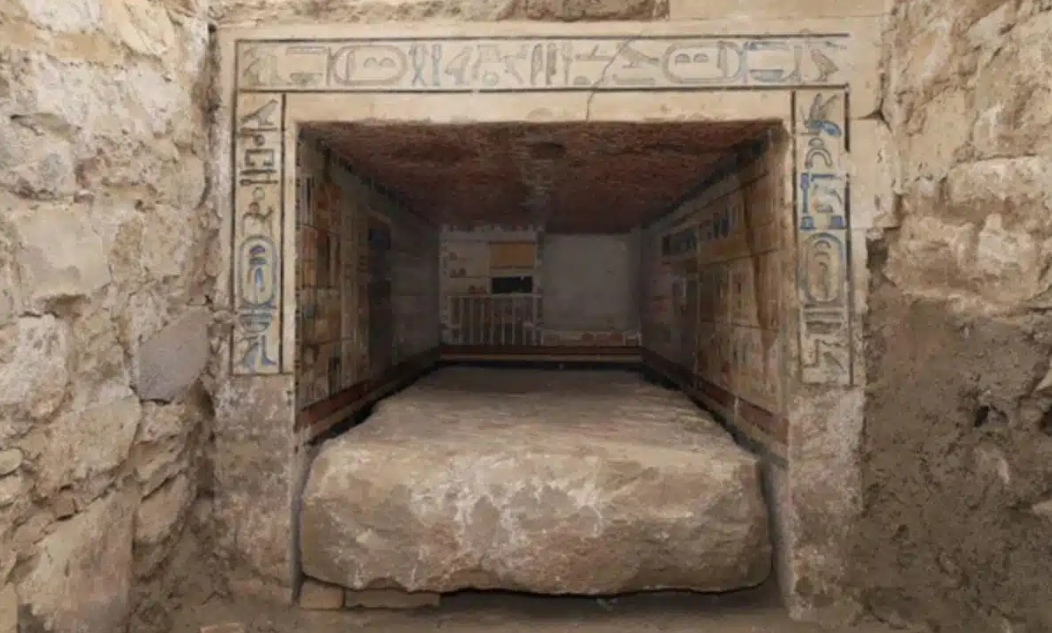
Egypt opened the tomb of a pharaoh to the public after over 20 years of restoration work in Luxor. The announcement comes as the country is gearing up for the official opening of the Grand Egyptian Museum in Cairo. The long-awaited reopening of the massive tomb of Amenhotep III, which dates back to around 3,300 years ago, is a significant event for Egypt’s tourism industry.
Luxor, located in southern Egypt, welcomed visitors to the newly restored tomb, showcasing the grandeur and history of Amenhotep III. The tomb had been closed for extensive renovations for more than two decades, making its reopening an exciting event for both locals and tourists. With the upcoming launch of the Grand Egyptian Museum in November, Egypt is making efforts to attract more visitors to its rich historical sites and museums. The reopening of Amenhotep III’s tomb is a part of the country’s strategy to boost tourism and showcase its cultural heritage.
Amenhotep III was one of Egypt’s most powerful pharaohs, known for his impressive building projects and artistic achievements. His tomb in Luxor is a testament to the grandeur of ancient Egyptian architecture and artistry. The restoration work done on the tomb has preserved the intricate details and historical significance of the site, offering visitors a glimpse into Egypt’s rich past. The reopening of the tomb comes at a time when Egypt is working towards revitalizing its tourism sector and highlighting its archaeological treasures.
As the world eagerly awaits the opening of the Grand Egyptian Museum in Cairo, the reopening of Amenhotep III’s tomb serves as a precursor to the grand event. The museum, set to be one of the largest of its kind, will house a vast collection of artifacts and treasures from Egypt’s ancient past. The renewed interest in Egypt’s historical sites and cultural heritage bodes well for the country’s tourism industry, offering visitors a chance to explore the wonders of ancient Egypt firsthand.





Deixe um comentário