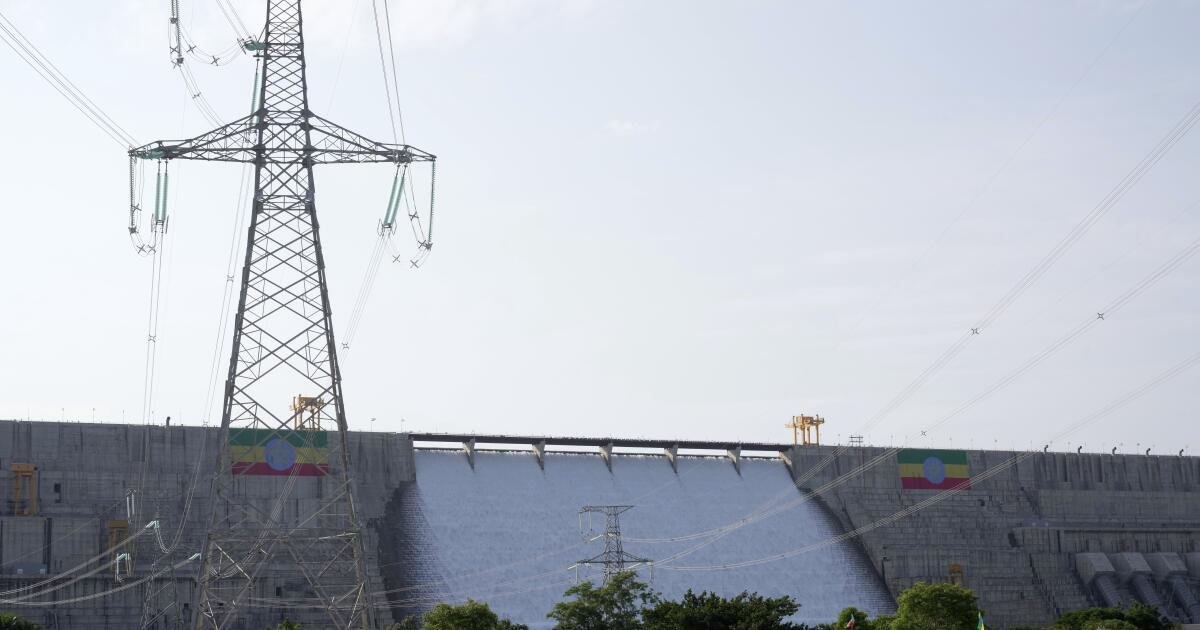
Ethiopia inaugurated Africa’s largest dam on Tuesday with the aim of boosting the economy, ending frequent blackouts, and supporting the growth of electric vehicle development. The country has also banned the importation of gasoline-powered vehicles. The dam’s reservoir waters are expected to help generate much-needed electricity in a nation where power shortages have been a persistent challenge. However, the project has faced controversy, particularly with neighboring Egypt expressing concerns about reduced water flows downstream.
Egypt, heavily reliant on the Nile River for its water supply, worries that the dam could restrict its access to water and potentially impact agricultural and economic activities. Diplomatic tensions between the two countries have been high as they seek to reach an agreement over water usage. Despite the concerns from Egypt, Ethiopia is pushing forward with the dam project as part of its efforts to modernize its infrastructure and harness its hydropower potential.
The Grand Ethiopian Renaissance Dam, located on the Blue Nile, has the capacity to generate significant amounts of electricity that could alleviate power shortages in Ethiopia and even enable the country to export power to neighboring nations. The completion of the dam represents a major milestone in Ethiopia’s goal of becoming a leading energy producer in Africa.
In addition to boosting the nation’s economy and energy security, the dam is expected to accelerate the transition to electric vehicles in Ethiopia. The government’s ban on gasoline-powered vehicles aligns with its commitment to sustainability and reducing carbon emissions. The increased availability of electricity from the dam will support the adoption of electric vehicles, contributing to a cleaner and more environmentally friendly transportation sector.
As the largest hydroelectric dam in Africa, the Grand Ethiopian Renaissance Dam symbolizes Ethiopia’s ambition to become a key player in the continent’s energy landscape. The project highlights the country’s determination to leverage its natural resources for economic development and energy independence. Despite the controversies and challenges surrounding its construction, the dam represents a significant step towards achieving Ethiopia’s goals for sustainable growth and modernization.





Deixe um comentário