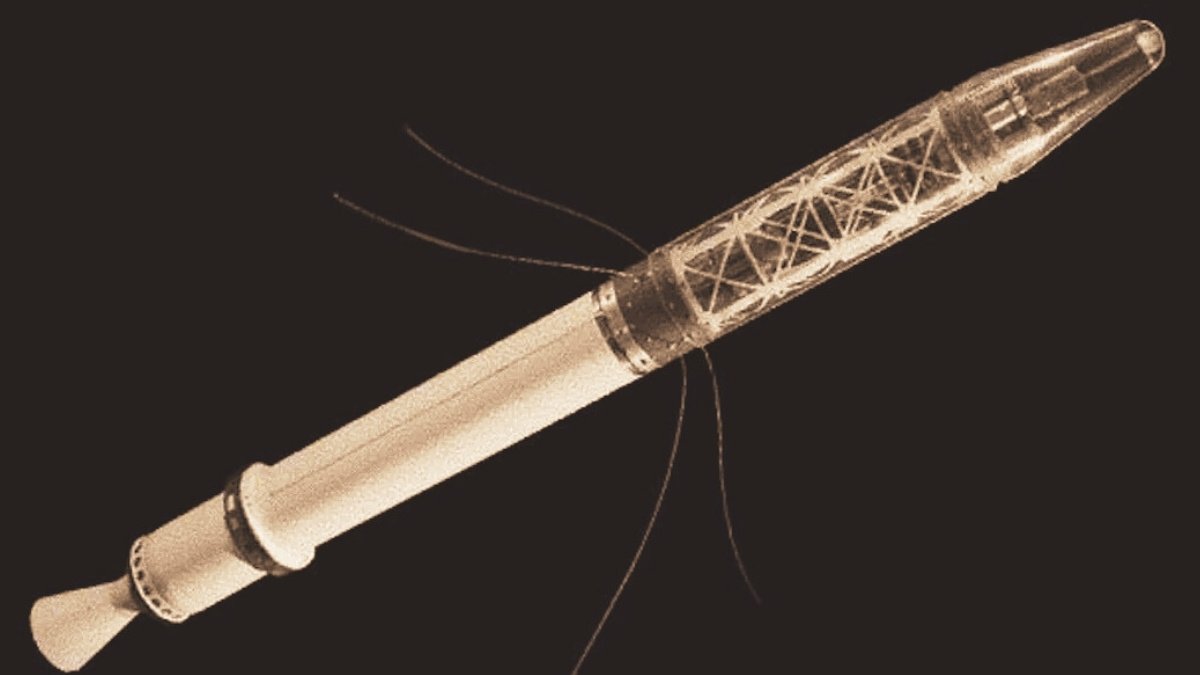
The first U.S. satellite, Explorer 1, was launched on January 31, 1958, marking a significant milestone in American space exploration. Following the success of the Soviet Union’s Sputnik satellites, Explorer 1 was crucial in demonstrating American capabilities in space.
One of the most important impacts of Explorer 1 was the discovery of the Van Allen radiation belts, regions of intense radiation surrounding Earth. This finding revolutionized our understanding of space physics and has had lasting implications for space exploration and satellite design.
In addition to the Van Allen belt discovery, Explorer 1 also carried scientific instruments that provided valuable data on cosmic rays and micrometeorite impacts. These findings contributed to advancements in space research and laid the groundwork for future missions.
Explorer 1’s successful launch paved the way for NASA’s continued exploration of space, including further satellite missions and the eventual moon landing. Its legacy continues to inspire new generations of scientists and engineers to push the boundaries of space exploration.





Deixe um comentário